
Most advice on how to lower your heating bill is a list of twenty tips with no
sense of scale — draft excluders sit next to attic insulation as if they’re
comparable, and they are not remotely comparable.
What follows is ranked. The first four are worth doing this month. The last
few are worth doing if you have time. And there’s an honest list at the bottom of
popular advice that makes almost no measurable difference.
 Save
SaveThe four ways to lower your heating bill that matter most
-
Service the heating system — before October
An under-maintained furnace burns more fuel for the same heat, and a system
that fails in January is both an emergency cost and several cold days.Book it now for the same reason as everything else on
the fall reset: everyone books in October when something
goes wrong, and you wait. Replace the filter at the same time — a clogged filter
restricts airflow and makes the whole system work harder. -
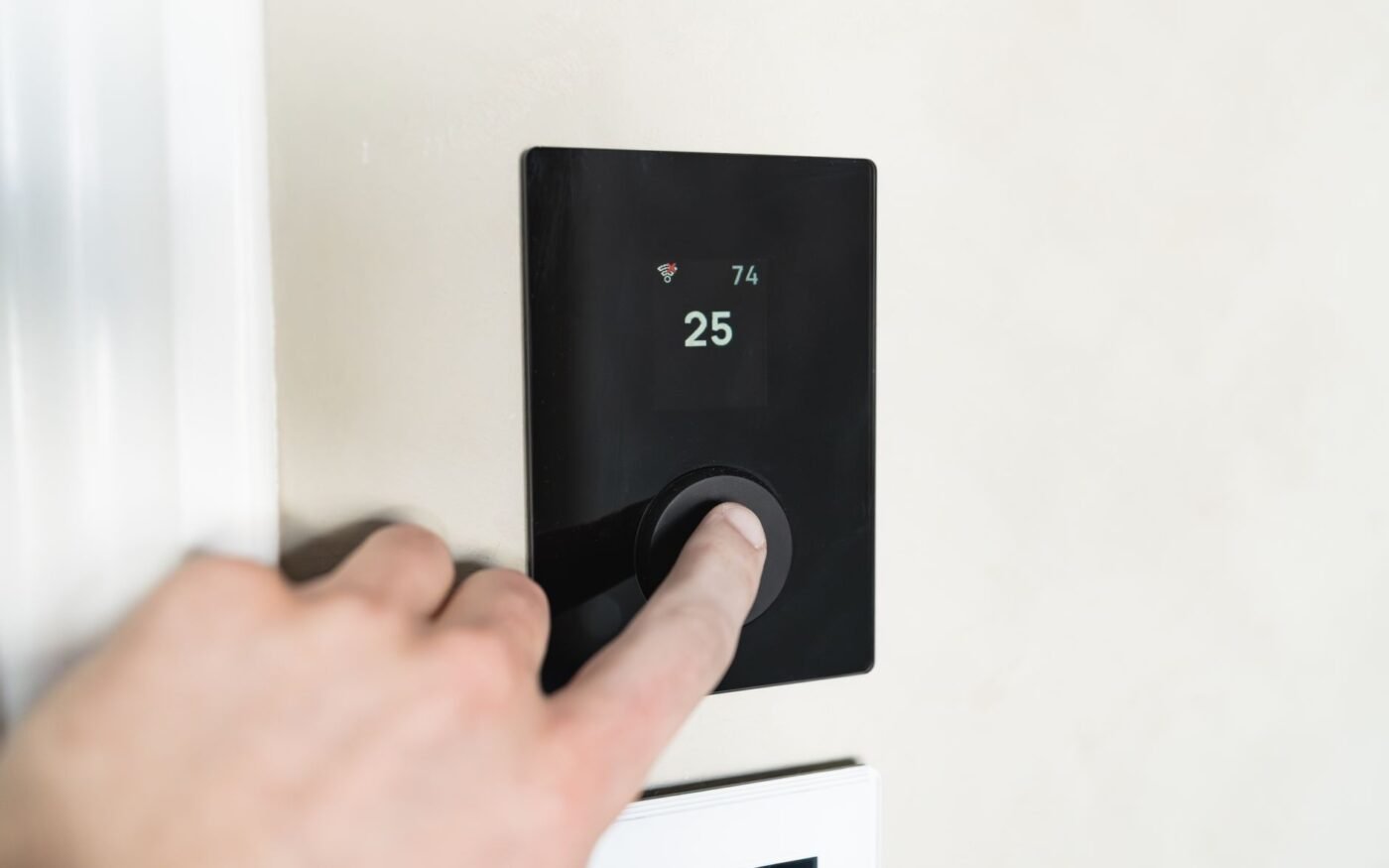
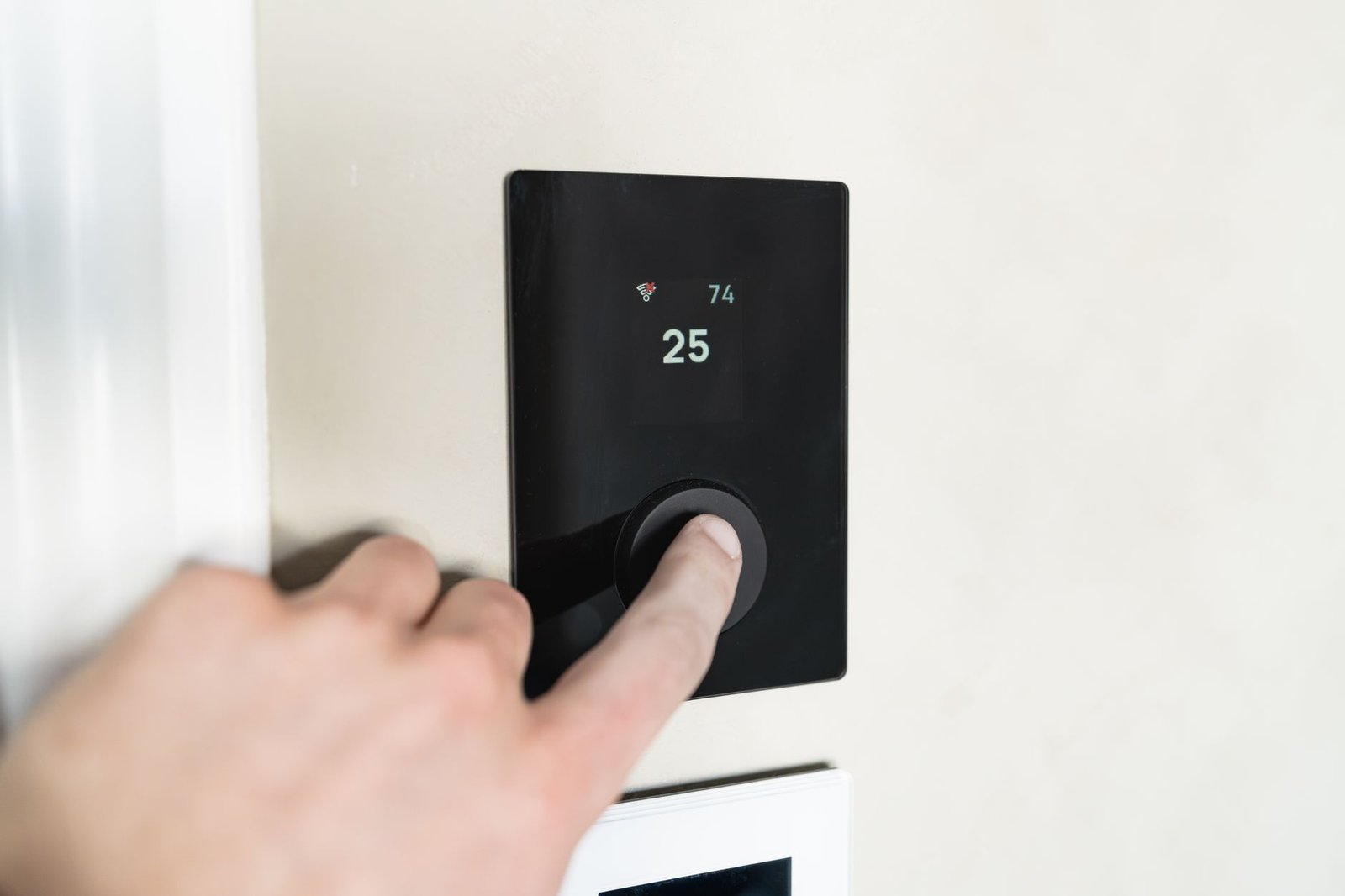
Turn the thermostat down one or two degrees
The single highest-leverage change available, and it costs nothing. Heating is
the largest energy use in most homes, and the relationship between setpoint and
consumption is direct.Do it gradually — a degree, wait a week, then another. Dropping four degrees
at once gets reversed within days because everyone notices.The US
Department of Energy publishes guidance on setpoints and setback savings,
which is a better reference than any blog’s figure — including this one. -
Set back the temperature when you’re out or asleep
There’s no benefit to heating an empty house to daytime temperature. A
programmable or smart thermostat automates it; a manual one just requires
remembering.This is where smart thermostats genuinely earn their cost — not through
clever algorithms, but by making setback happen reliably rather than when
somebody remembers. -
Seal the drafts you can actually feel
Doors, windows, letterboxes, unused chimneys. Walk around on a cold day with a
hand out and you’ll find them in ten minutes.Cheap, immediate, and it also makes rooms feel warmer at the same thermostat
setting — which is what makes the lower setpoint stick.
 Save
SaveThe next seven, in rough order
- Heat the rooms you use. Close doors, turn down radiators or close vents in unused rooms. Zoning by hand costs nothing.
- Insulate the hot water tank. If yours is uninsulated, a jacket is cheap and pays back quickly.
- Bleed radiators or check vents. Cold spots mean the system is working without delivering heat.
- Thick curtains, closed at dusk. Windows are the weakest point in most walls; closing curtains before it gets cold traps the day’s heat.
- Move furniture off vents and radiators. A sofa in front of a heat source absorbs it instead of the room.
- Lower the water heater temperature to a safe setting per your manufacturer’s guidance. Most are set higher than needed.
- Check for available help. Many regions run insulation grants or low-income energy assistance. Worth ten minutes of searching before assuming you don’t qualify.
What doesn’t work as well as people claim
What works
- Servicing the system
- Lowering the setpoint
- Setback when out or asleep
- Sealing obvious drafts
- Zoning unused rooms
- Insulating the water tank
What to watch
- Leaving heating on low all day
- Foil behind radiators, mostly
- Space heaters to 'save' money
- Closing every vent in the house
- Buying gadgets before sealing drafts
Leaving the heating on low all day is the most persistent
myth. A house loses heat continuously whenever it’s warmer than outside, so
heating it while nobody’s home costs more than reheating it later. Energy
efficiency bodies have addressed this repeatedly; setback is the better strategy
for almost all homes.
Electric space heaters to avoid using central heating usually
cost more per unit of heat, not less, because electricity is typically the more
expensive fuel per unit of energy. They make sense for heating one small room for
a short period, not as a substitute.
Closing every vent in a forced-air system can raise duct
pressure and make things worse. Close some, not all — and check your system’s
guidance.
 Save
SaveBudget for it rather than being surprised
Heating costs are seasonal but entirely predictable, which makes them a
textbook case for a sinking fund. Divide last winter’s
excess by twelve and set it aside monthly, and the January bill becomes
paperwork instead of a shock.
If your provider offers level billing that spreads cost evenly across the
year, that achieves the same thing automatically — worth a phone call.
Then check the meter monthly rather than waiting for the bill. Two minutes
during the money block of your Sunday reset is enough to spot
a problem while you can still act on it.
Common questions
and health needs. The Department of Energy publishes general guidance on
setpoints and setback. Start from that, adjust gradually, and don’t go below what
is comfortable and safe for the people living there.
reliably turn the heating down when you leave and at night, the marginal gain is
small. If you don’t, that’s exactly the gap they close.
takes about twenty minutes. Compare on total annual cost rather than headline
rate, and check exit fees on your current contract first.
free, both take under a minute, and together they’re worth more than most of the
paid options.
Do the two free ones today
Thermostat down one degree. Curtains closed before dark. Then book the furnace
service before the October queue starts.
Those three cover most of the available saving, and only one of them costs
anything.



3 comments