
Car insurance renews on the same date every year. The furnace service is
annual. Christmas has not moved. Your car’s inspection is on a schedule you were
told about twelve months in advance.
None of these are emergencies, and yet they land like emergencies — because
they’re paid annually out of a budget organized monthly. Sinking funds are the
fix, and they’re the least glamorous, most effective money habit there is.
 Save
SaveWhat sinking funds actually do
Take a cost you know is coming — say $600 of car insurance in April. Divide by
twelve. Put $50 aside monthly. In April, the bill is already paid for.
Nothing clever is happening. The money is the same either way. What changes is
that the cost stops being an event: no scramble, no card, no month where
everything else gets squeezed because insurance landed.
The second effect is more useful and less obvious. Once predictable costs are
funded, your emergency fund is free to handle actual emergencies — and you find
out how rarely those happen. Most people’s financial crises are a stack of
foreseeable bills arriving together.
The eight categories worth having
-
Car
Insurance, registration, inspection, tires, and the repair fund. Cars are the
single most reliable source of “unexpected” costs that were entirely expected.Include a repair line even though you can’t predict it. Something goes wrong
most years; the amount varies, the fact doesn’t. -
Christmas and birthdays
The clearest case for a sinking fund, and the one most people skip. Start in
January and December costs a twelfth of what it feels like.See the Christmas budget for how to size this one — it’s
larger than most people’s first guess, because gifts are only part of it. -
Home repairs and appliances
Appliances have a lifespan. A washing machine failing after nine years is not
a surprise, it’s arithmetic.A modest monthly amount here converts the worst category of household
emergency into an inconvenience. -
Annual subscriptions and memberships
Insurance, software, the gym, the professional body, the domain renewal.
Individually small, collectively a bad month if they cluster.Listing them has a bonus effect: you will cancel at least one, because seeing
them together is different from paying them separately. -
Medical and dental
Whatever your system doesn’t cover. Dental in particular tends to arrive as a
lump sum with limited notice. -
Travel
Not just vacations — the weddings, the visits home, the trips you don’t
choose. Those are the ones that hurt, because they’re unbudgeted and
non-optional. -
Clothing and shoes
Especially with children, where growth is continuous and school shoes are
seasonal. A small monthly amount removes a recurring irritation. -
School and activities
Trips, uniforms, kit, instrument rental, the sign-up fees that all land in
September. This one is intensely seasonal, which is exactly what a sinking fund
is for.
 Save
SaveWhere the money should live
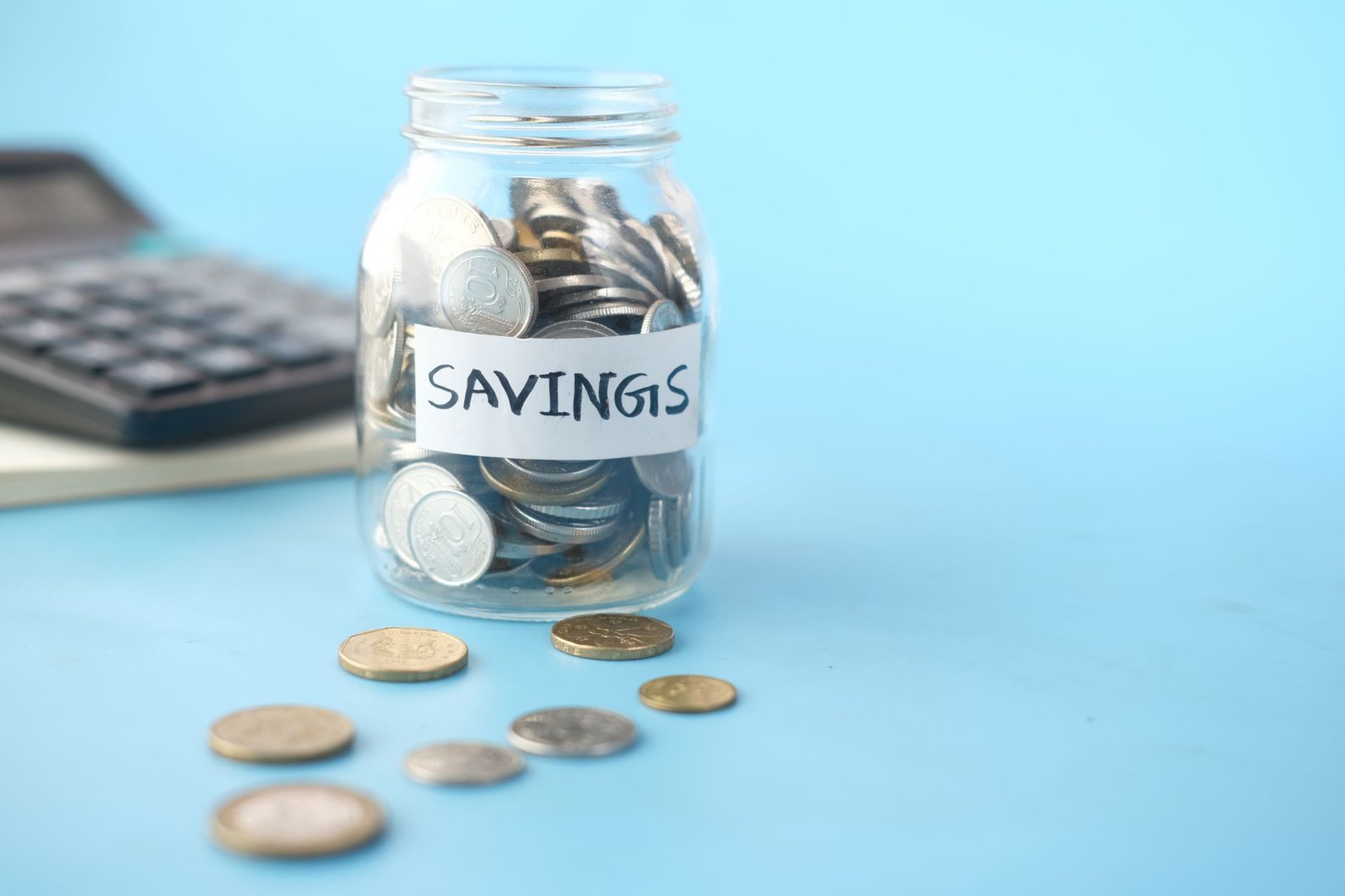
One separate savings account, with the amounts tracked on a note or in a
spreadsheet. Not eight accounts.
People are frequently advised to open an account per category. In practice
that’s eight logins, eight transfers, and a system abandoned by March. A single
account holding $2,400 that your note says is $600 car, $800 Christmas, $1,000
home works identically and takes one transfer a month.
What works
- One separate savings account
- A single automatic monthly transfer
- Amounts tracked on one page
- Reviewing the list once a year
- Starting with three categories
What to watch
- One account per category
- Keeping it in your checking account
- Manual transfers you have to remember
- Twenty categories on day one
- Raiding it for non-category spending
The last one matters most. A sinking fund raided for something else isn’t a
sinking fund, it’s just savings — and the bill still arrives in April.
 Save
SaveGetting started this month
Pull last year’s statements. Highlight the non-monthly payments. Group them,
total each group, divide by twelve.
The total will probably be uncomfortable. That discomfort is useful
information — it’s what those costs have been doing to you invisibly for years,
now visible. If the full amount isn’t affordable, fund the top three categories
and add the rest as you can.
Then set one automatic transfer for the day after payday and check it during
the money block of your Sunday reset. Ninety seconds a week
is the entire ongoing cost.
If the initial amount is genuinely out of reach, a no-spend
month is a reasonable way to seed the first few funds — one month of
restraint buying you a year of not being ambushed.
Common questions
sinking fund covers things you absolutely can foresee but that don’t arrive
monthly. Mixing them is why emergency funds get drained by car insurance and
then aren’t there for actual emergencies.
A partially funded category is still dramatically better than an unfunded one,
and the shortfall shrinks every year you keep it running.
available on a known date, so accessibility matters more than return. Don’t tie
sinking funds up in anything you can’t withdraw from freely.
Amounts drift — insurance rises, children grow, subscriptions get added. An
annual pass takes twenty minutes and keeps the numbers honest.
Start with three
Pick the three predictable costs that hurt most last year. Divide each by
twelve. Set one transfer.
Twelve months from now, three things that used to be crises will be
paperwork. That’s the entire promise, and it’s a bigger one than it sounds.



10 comments