
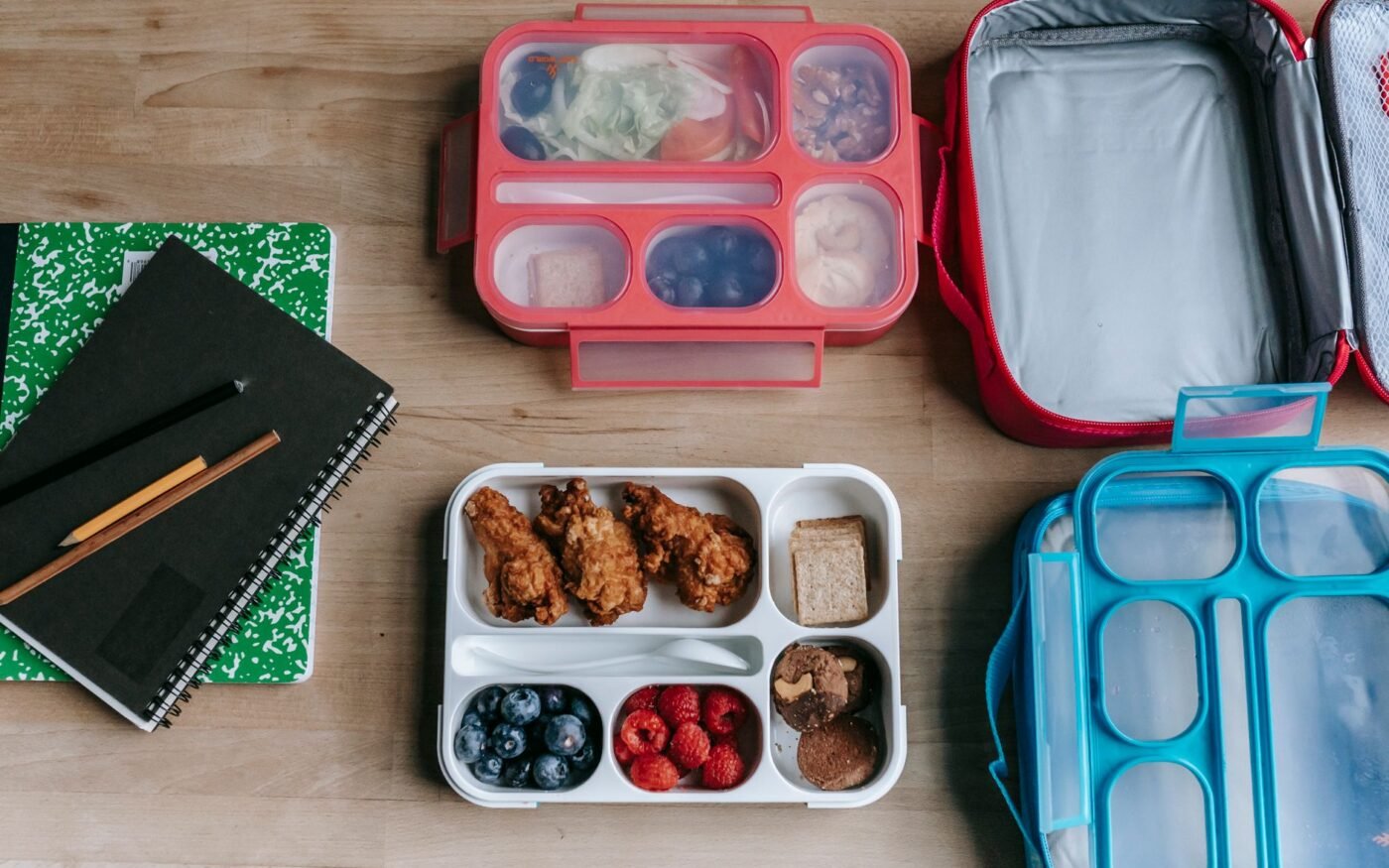
A lunchbox is packed at 7:15am and opened at 12:30. Almost all lunchbox ideas
you’ll find are optimized for how food looks at 7:15, and almost none for what
it’s like after four hours in a warm bag.
That gap explains most of what comes home uneaten. It’s rarely fussiness —
it’s a sandwich that went soggy, a cut apple that went brown, and a container
nobody could open.
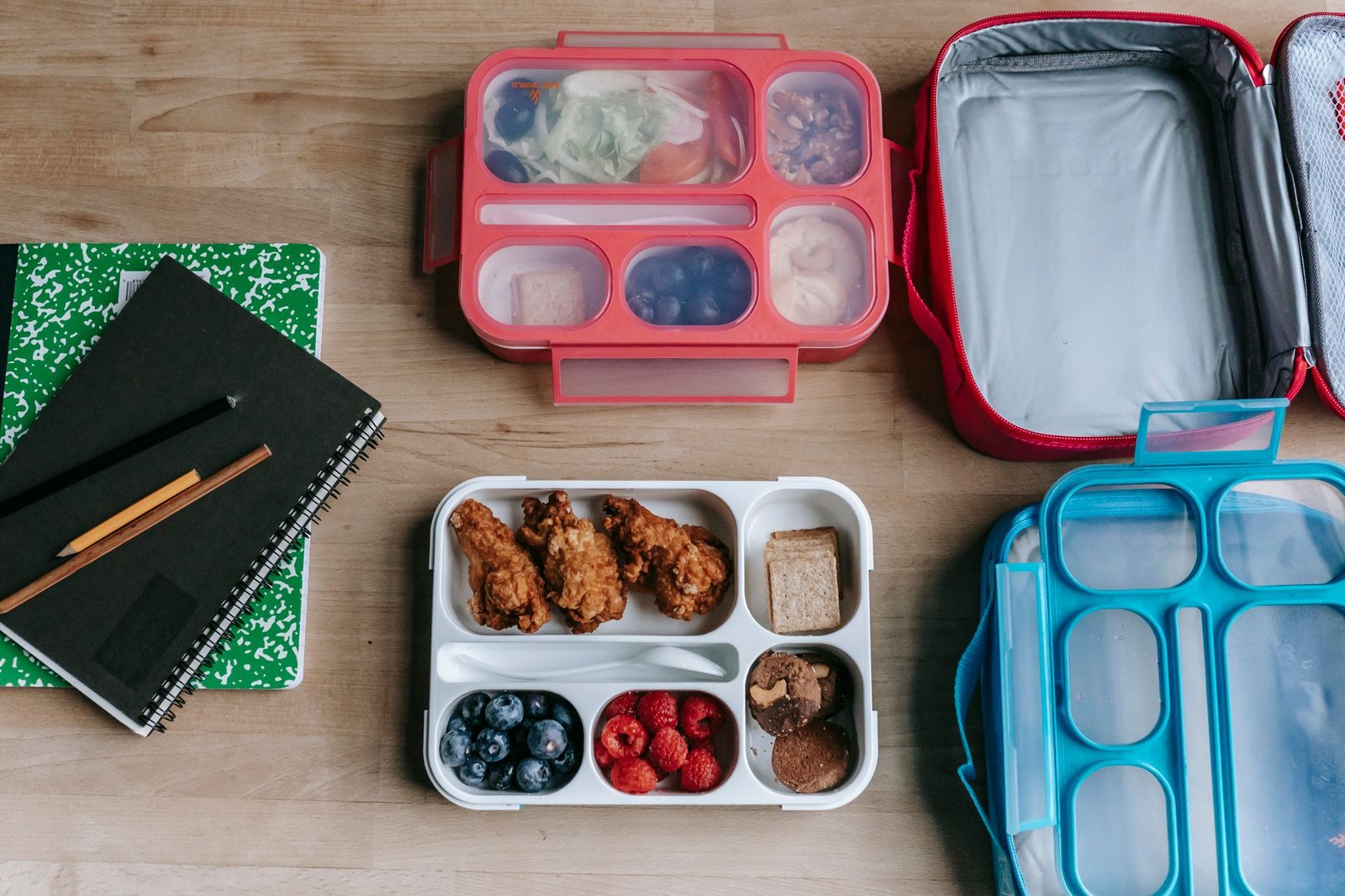 Save
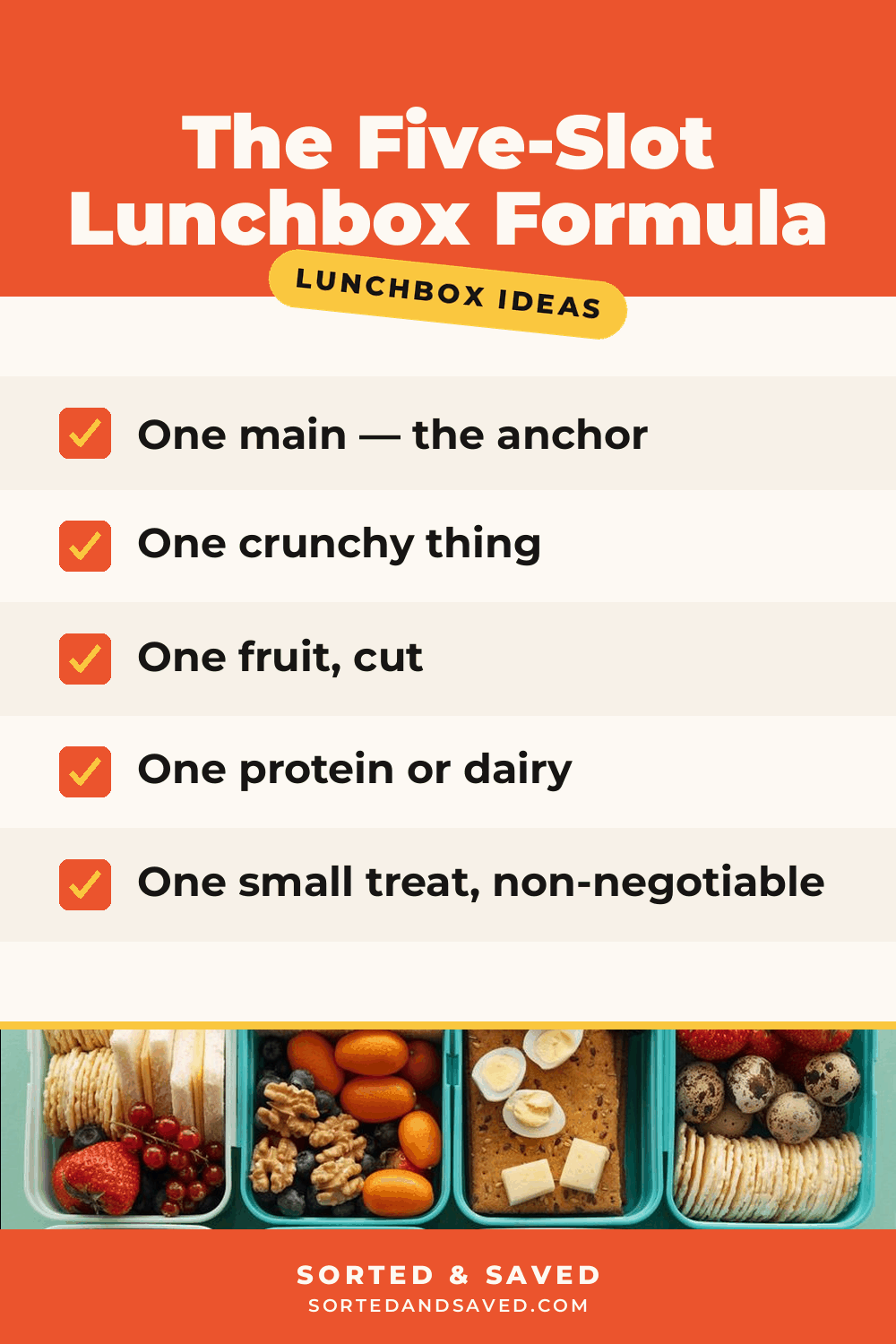
SaveThe five-slot formula behind these lunchbox ideas
The reason lunch packing feels endless is that most people approach it as a
fresh creative problem five mornings a week. It isn’t. It’s five slots, and the
contents rotate within each.
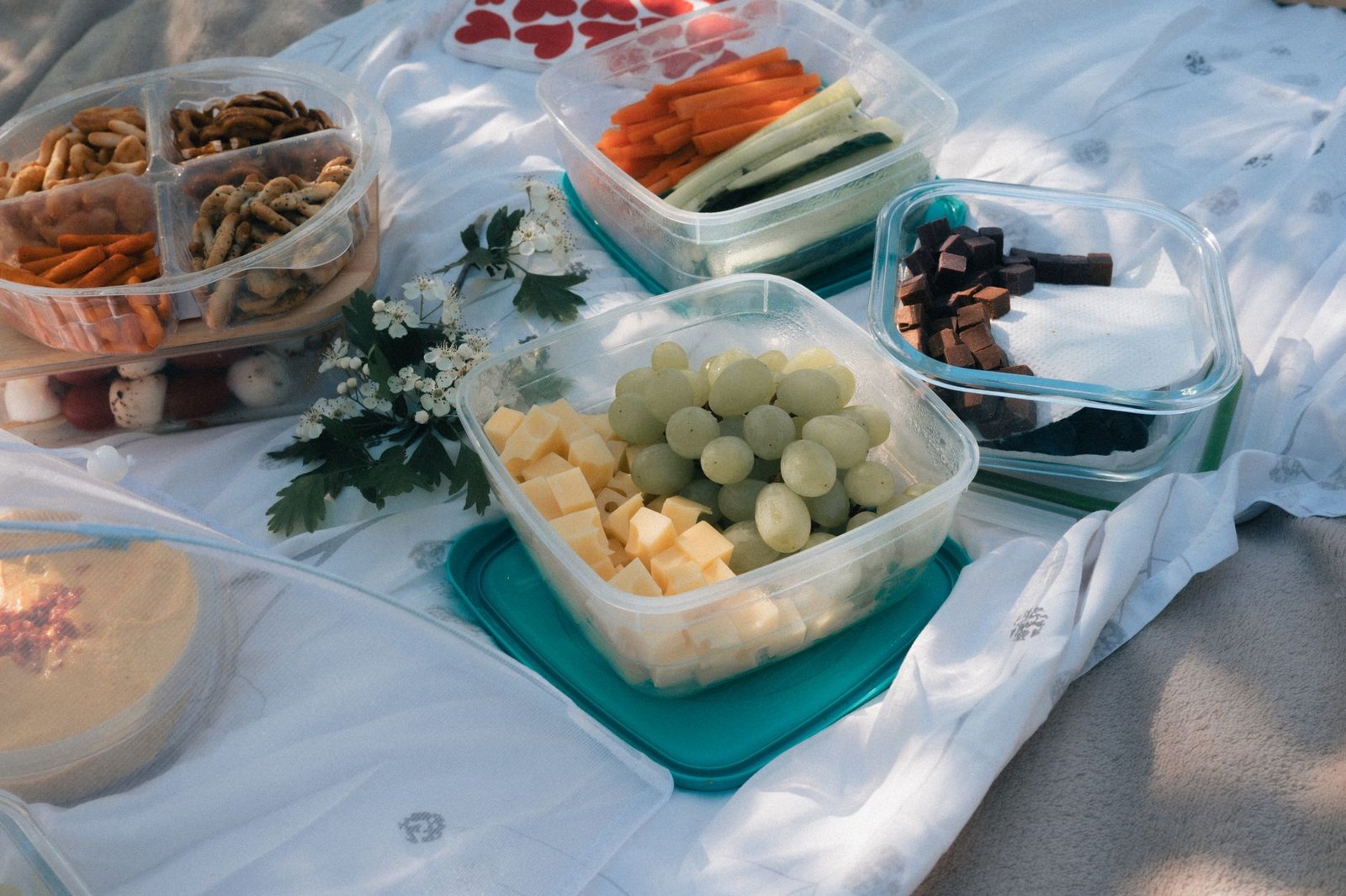
One main. Sandwich, wrap, pasta salad, leftovers in a thermos,
crackers with cheese and meat. The anchor.
One crunchy thing. Carrot sticks, cucumber, pepper strips,
pretzels. Texture contrast matters more to children than adults expect.
One fruit, cut. Cut is the operative word — a whole apple
often comes back untouched, the same apple sliced usually doesn’t.
One protein or dairy. Cheese, yogurt, boiled egg, hummus,
a handful of nuts where allergy policy allows.
One small treat. Non-negotiable, and not a reward to be
withdrawn. A lunch with nothing to look forward to gets traded or skipped.
What survives four hours, and what doesn’t
-
The sandwich problem
Sogginess comes from wet ingredients touching bread. Tomato, cucumber, and
dressing are the usual culprits.Two fixes: a barrier layer of butter, cream cheese, or lettuce between bread
and filling, or pack the wet things separately to be added at the table. Toasted
bread also holds up considerably better than fresh. -
Fruit that browns
Apples and pears brown within an hour of cutting. A brief soak in water with a
squeeze of lemon slows it substantially and doesn’t affect taste.Or sidestep it: grapes, berries, satsumas, and melon don’t have the problem
at all. -
Temperature
A lunchbox sitting in a warm classroom for four hours is not a refrigerator.
An ice pack matters more than most packaging suggests, particularly for dairy
and meat.Food safety guidance is generally that perishable food shouldn’t sit above
40°F for more than two hours — the
FoodSafety.gov charts are the reference worth
using rather than guesswork. An ice pack and an insulated bag are the practical
answer. -
Containers children can actually open
The most-overlooked variable. A well-designed bento box that requires adult
grip strength returns home full, and nobody finds out why for weeks.Test every container with the child, at the table, before it goes in a bag.
It takes two minutes and solves a surprising number of mysteries.
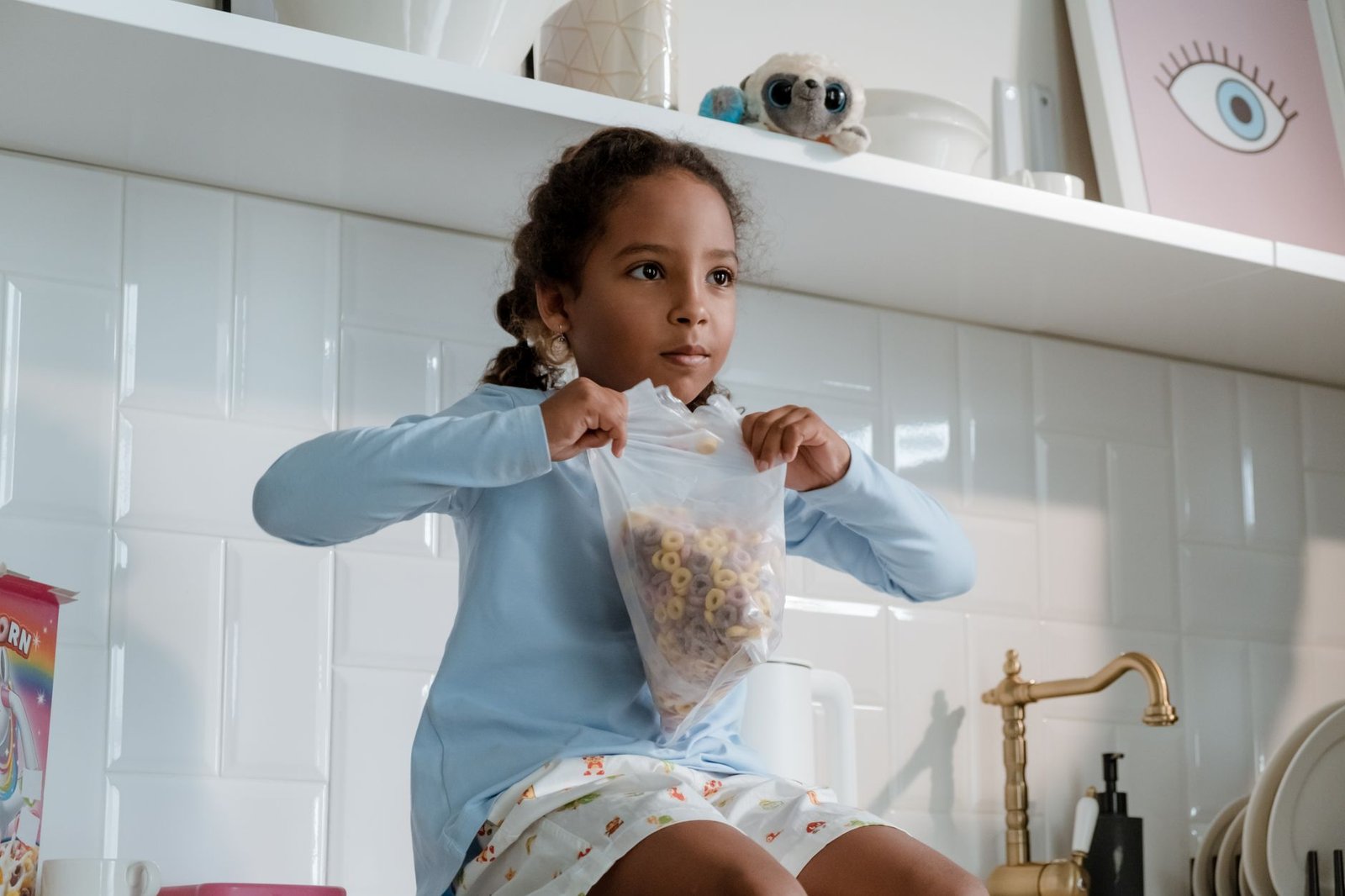 Save
SaveThe twenty minutes that fix the week
Weekday mornings are the wrong time to make lunch. Not because you don’t have
twenty minutes, but because you don’t have twenty minutes and the
decisions that go with them.
On Sunday, do the prep rather than the assembly: wash and cut vegetables into
one container, portion crackers and snacks into small bags, boil eggs, make one
batch of something for the main slot. Then weekday packing is assembly from
prepared parts, which takes about four minutes.
That prep sits naturally in the Sunday reset, right after
meal planning, since you’re already deciding food for the week. And the nightly
pack belongs in the evening reset — lunch made the night
before and bags by the door removes two of the biggest morning friction points at
once.
What works
- Cut fruit over whole
- Toasted bread over fresh
- A barrier layer under wet fillings
- An ice pack, always
- Containers tested by the child
- The same five slots weekly
What to watch
- Assembling from scratch at 7am
- Dressing already on the salad
- Anything that needs reheating
- A new idea every single day
- Whole apples
- Sealed containers nobody can open
 Save
SaveCommon questions
are filled, and fighting it costs more than it gains. Vary one slot at a time —
usually the crunchy or fruit slot — rather than overhauling the whole box.
then add the hot food. Skipping the preheat is why most thermos lunches arrive
lukewarm.
qualify for free or reduced-price meals. Compare your actual weekly cost against
the school’s price before assuming — convenience-heavy packed lunches can easily
cost more.
with. Those three account for the vast majority. If food is coming back, check
the container before you change the food.
Start with the five slots
Write them on a card tonight and fill them from what’s already in the house.
Don’t add a new recipe — the formula is the point, not the food.
Then spend twenty minutes on Sunday cutting and portioning. That single habit
turns lunch packing from a daily decision into a four-minute assembly job.
1 comment