The problem with knowing how to use up leftovers is that most advice means
“eat it again”. Reheat Tuesday’s casserole on Thursday. Nobody wants that, which
is why it sits in the fridge until it is genuinely bin material and everybody
feels vaguely guilty.
The alternative is transformation. The same food, in a different form, so it
reads as a new meal rather than a repeat — and there are about six formulas that
work on almost anything.
 Save
SaveHow to use up leftovers: the six formulas
-
Fried rice — the most forgiving of all
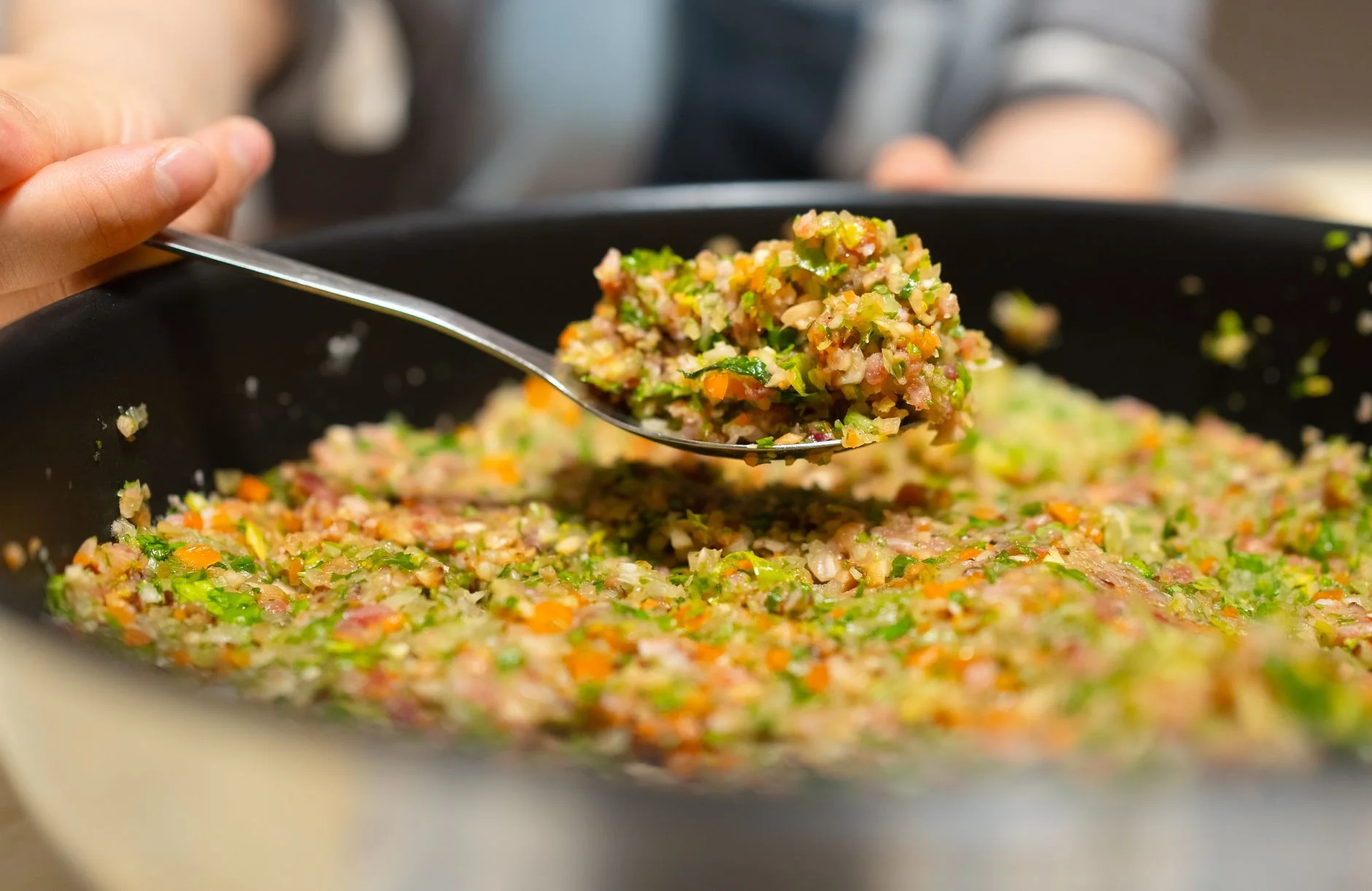
Cold cooked rice, any leftover protein, any leftover vegetable, an egg, soy
sauce. Hot pan, high heat, four minutes.It takes roast chicken, sausages, half a stir fry, and vegetables well past
their best. Day-old rice works better than fresh, which is the rare case where
the leftover is the correct ingredient rather than a substitute. -
Soup — blend it or broth it
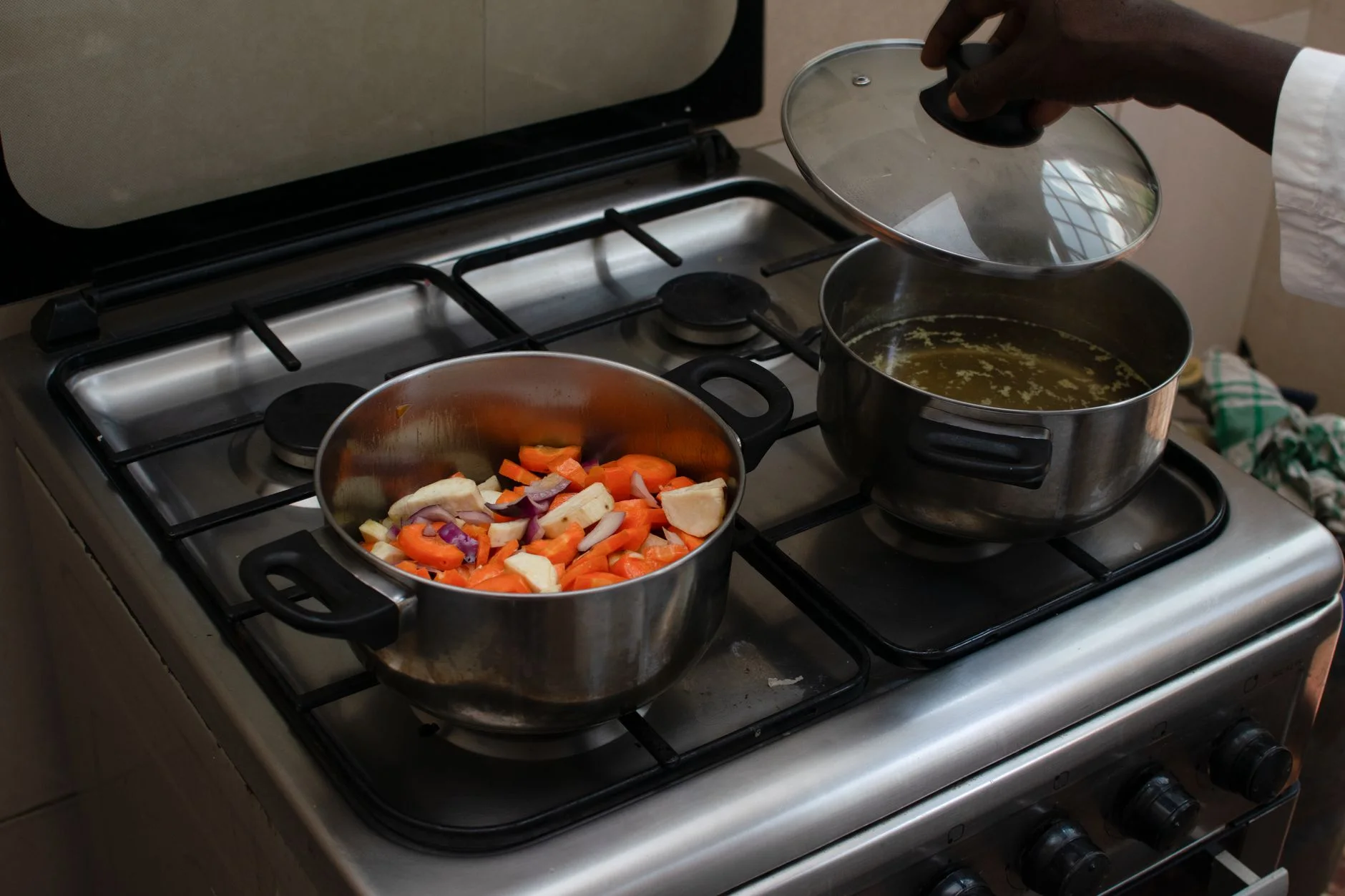
Two versions. Blended: any cooked vegetables plus stock, then
a hand blender. Broth: stock, whatever protein and vegetables
exist, plus noodles or beans.Roast dinner remains turn into soup better than into anything else, and a
chicken carcass simmered for an hour is stock that costs nothing. -
Frittata — eggs cover a multitude
Six eggs, whatever is in the fridge, cheese on top, oven or a lid on the pan.
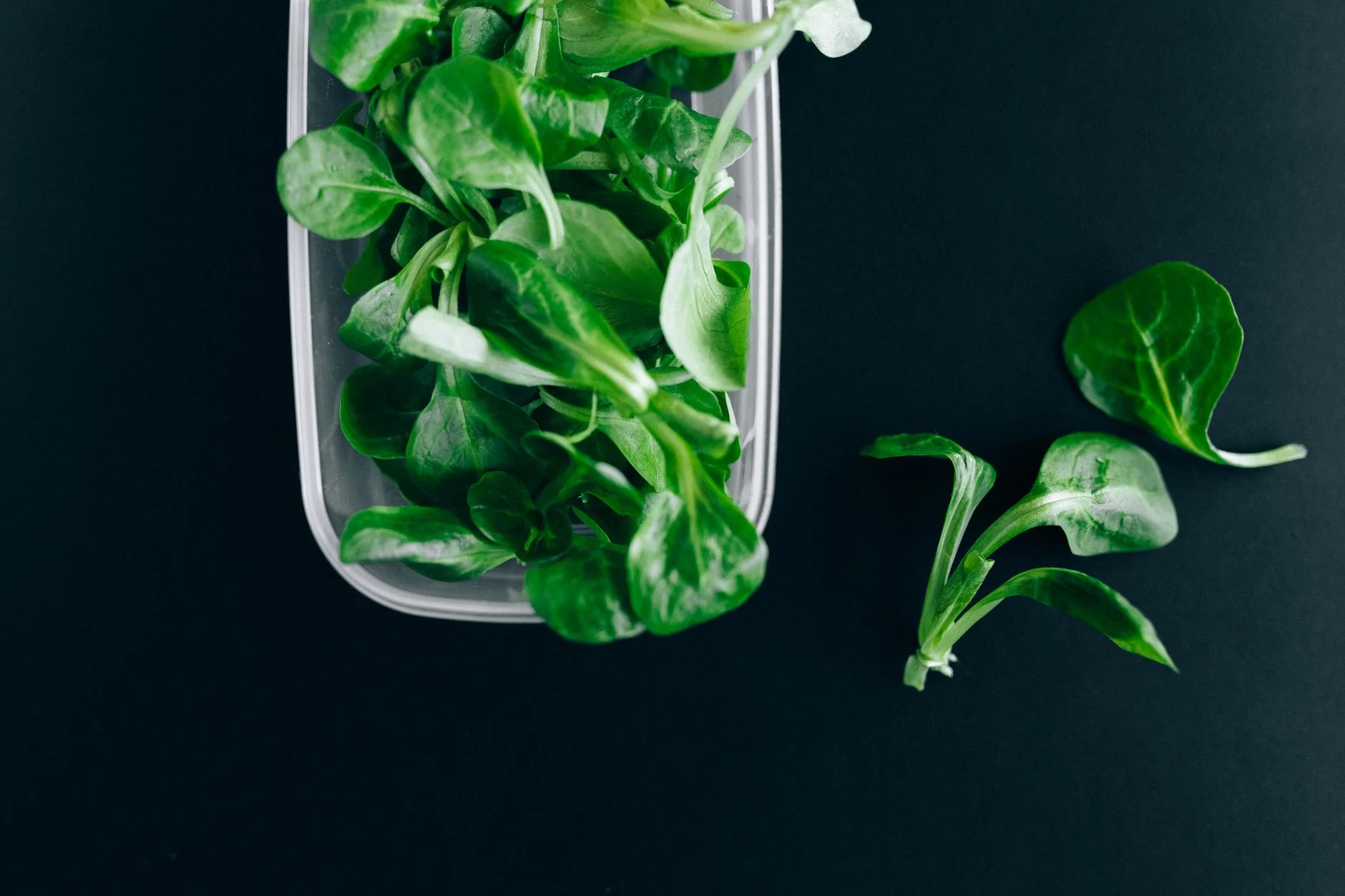
Potatoes, greens, ham, roasted vegetables, the last of a bag of spinach.Good hot, good cold, and it goes in a lunchbox the next day — which makes it
the only formula that turns a leftover into two more meals. -
Wraps and quesadillas
Anything shredded plus cheese plus a tortilla. Four minutes in a dry pan.
This is the one that works on children, because the format is so different
from the original meal that the objection does not arise — the same principle
behind serving components separately. -
Pie, crumble or bake
Leftover stew or curry, a dish, and a topping — pastry, mash, or breadcrumbs
and cheese. Twenty-five minutes in the oven.A topping is remarkably effective at making something read as a new dinner,
and mashed potato from Sunday is already halfway there. -
Grain bowl with a sharp dressing
Any grain, any leftovers on top, and a dressing with real acidity — lemon,
vinegar, yoghurt with garlic. The dressing does the work; without it this is just
cold food in a bowl.
 Save
SaveThe slot that makes it happen
Leftovers do not get eaten because nobody decided when. Book one night —
Thursday works well, being far enough into the week that things have accumulated
and close enough to the shop that clearing space helps.
On that night nothing new gets cooked. Whatever is in the eat-first box and
the fridge becomes one of the six formulas above. If you already run
a five dinner rule, this is one of the five, and it costs
nothing.
Doing this also solves the problem at the other end. A fridge cleared on
Thursday means the weekend shop goes into a fridge with space, which is what
stops the next round of food disappearing behind things —
the fridge zones and this slot are really the same system.
What works
- Changing the format, not reheating
- A booked leftovers night each week
- Clear containers so you can see it
- Labelling with the date
- Freezing anything you won't reach in time
- Stock made from the chicken carcass
What to watch
- Serving the same meal twice
- Opaque tubs at the back of the fridge
- 'We'll have it tomorrow', repeatedly
- Leaving a hot dish out to cool overnight
- Reheating rice more than once
- Waiting until it's bin material
Cook for leftovers deliberately
The most efficient version of this is to stop treating leftovers as accidents.
Roast two chickens, not one. Same oven, same time. The second
becomes wraps, fried rice, soup and sandwiches across three days.
Cook double the rice, grains and potatoes. These are the
components the six formulas need, and they take no extra effort — which is
exactly what a Sunday prep session is for.
Roast a whole tray of vegetables whenever the oven is on.
They go into frittata, grain bowls, soup and pasta all week.
Done this way the “leftover” is a planned ingredient, which removes the faint
sense of eating something second-hand. It is also the single largest lever on
a grocery budget after not throwing food away at all.
 Save
SaveWhat not to keep
A short list where the effort is not worth it.
- Dressed salad. It will not recover. Dress by the portion and the undressed remainder keeps.
- Anything fried and crisp. It goes soft and reheating does not bring it back. Eat it or accept the loss.
- Food left out overnight. Whatever it is and however it looks. This is not a judgement call worth making.
- Anything reheated once already. Reheat once, then it is finished.
Everything else that will not be eaten in time goes in the freezer, portioned
and dated. Freezer organization is what makes that a
saved meal rather than a delayed bin.
Common questions
refrigerated within two hours. Cooked rice and seafood are shorter. Anything you
will not get to inside that window should go into the freezer on day one, not on
day four.
their safe window. Freeze in meal-sized portions rather than one large block, and
label with what it is and the date — an unlabelled container is one nobody ever
chooses.
the three that reliably get past objections, because they do not look like the
original meal at all. Serving it without announcing what it used to be is not
cheating.
most of it is cooked food and fresh produce — exactly what this addresses. Paired
with a planned shop and
meals built around cheap staples, it is usually worth more
than switching supermarkets.
Book Thursday
Put one leftovers night in the week and cook nothing new on it. That single
change does more than any recipe, because the problem was never ideas — it was
that no night was ever the night.
Then start cooking double rice. Between those two things, most of what
currently gets thrown away turns into dinner during
your normal week.