

Most morning routine advice is written for people who live alone and control
their own schedule. Wake at five, journal, meditate, exercise, plan the day.
That is not a realistic morning routine for a household with other people in
it, where the morning is a fixed-length window containing several humans who all
need something and one of whom cannot find a shoe.
 Save
SaveWhy the usual advice fails
Waking an hour earlier assumes the constraint is time. Usually it isn’t. The
constraint is that a morning contains thirty small decisions — what to wear, what
to eat, where’s the bag, is it raining — and they all have to be made at once by
people who just woke up.
Add an hour and you get an hour of the same decisions, made slightly earlier,
on less sleep. Most people abandon this within two weeks and conclude they’re
not a morning person.
A realistic morning routine reduces the number of decisions instead. That’s
why the highest-leverage part of it happens the previous evening.
What a realistic morning routine looks like
-
The same first three actions
Pick three, do them in the same order every day, without deciding. Something
like: curtains open, coffee started, dishwasher emptied.The content matters far less than the fixity. A sequence you don’t have to
think about gets you moving before your brain is fully online, which is the
entire trick. -
No phones before breakfast
The single highest-impact rule, and the least popular. A phone opened at 7am
replaces the morning’s plan with someone else’s.Make it a household rule rather than a personal one, otherwise it lasts a
week. If the phone is your alarm, that’s an argument for a cheap alarm clock. -
Breakfast is decided, not chosen
Two options, rotating, decided the night before. Not a menu.
Choice at breakfast is a surprisingly large source of morning friction,
especially with children, because it’s a negotiation at the exact moment nobody
has patience for one. -
One person owns the door check
One named person confirms bags, coats, and anything that needs to leave, at a
fixed point. Not everyone vaguely checking.This works because the entryway was staged last night —
the check is a confirmation, not a search. -
Leave at a time, not at “ready”
Set a departure time and go at it. Waiting until everyone is ready means
readiness expands to fill the morning, because there’s no cost to being slow.A fixed departure time creates a shared deadline, which does more for morning
efficiency than any amount of nagging.
 Save
SaveWhat to leave out
What works
- A fixed opening sequence
- Phones stayed shut
- Breakfast decided last night
- A named door-checker
- A fixed departure time
What to watch
- Waking an hour earlier
- Journaling before coffee
- A full workout on a school morning
- Elaborate breakfasts on weekdays
- Checking email before leaving
None of the right-hand items are bad in themselves. They’re just poorly
placed. A workout is excellent; a workout wedged into a morning that already
doesn’t fit is a reason to abandon the whole routine by Thursday.
If you want a morning practice, add it on weekends first, where there’s slack
to absorb it. Weekday mornings are for reducing friction, not for
self-improvement.
 Save
SaveThe night before is the routine
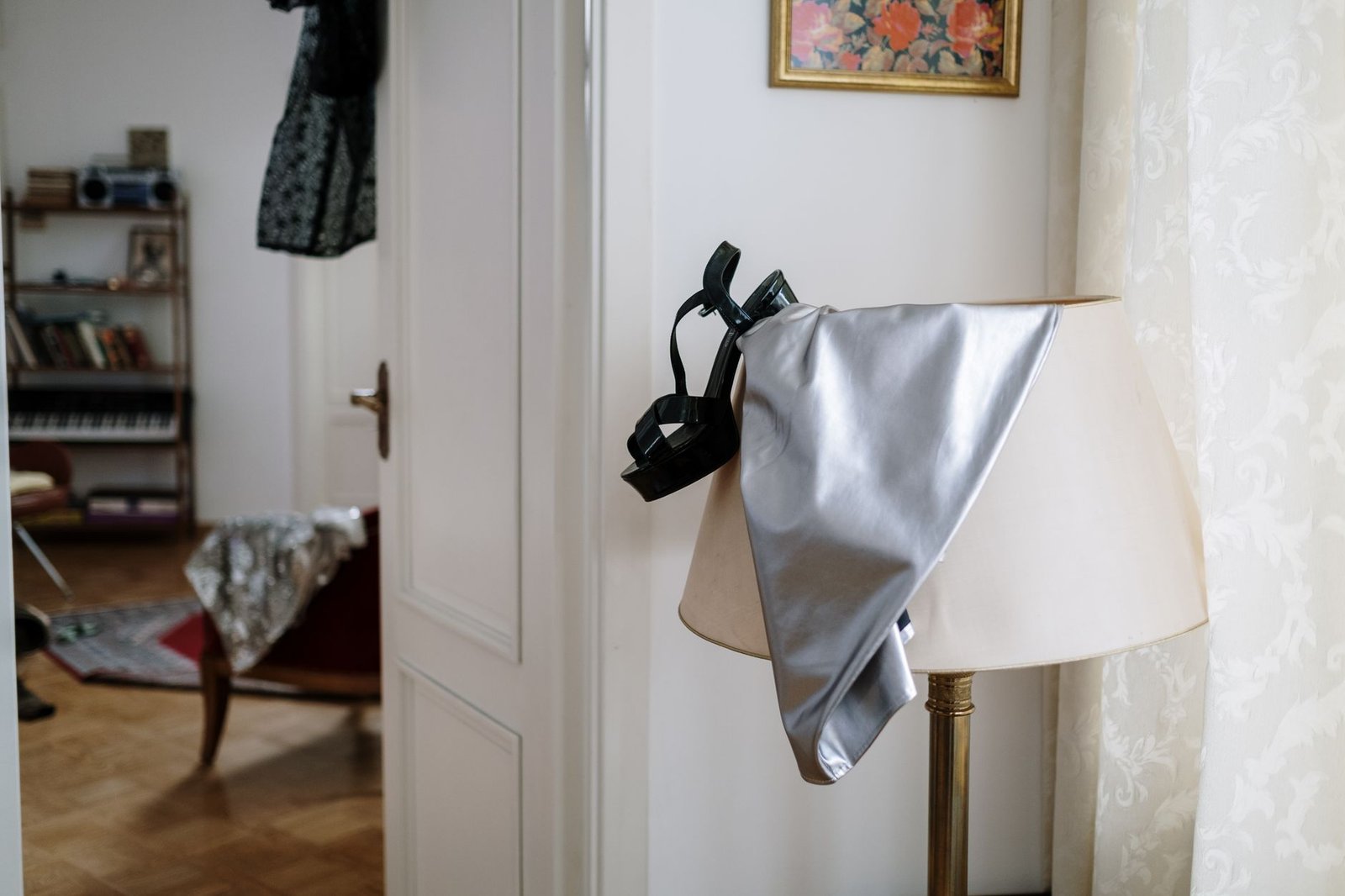
Nearly everything that makes a morning calm was decided the previous evening —
clothes out, bags staged, breakfast chosen, weather checked.
That’s the argument for a ten-minute evening reset:
it isn’t a separate habit, it’s the first half of your morning routine, done at a
time when decisions are cheap.
The weekly layer sits in the Sunday reset, where the meal
plan and the week’s known events get decided. Three tiers — weekly, evening,
morning — each removing decisions from the one after it.
Common questions
rather than by waking dramatically earlier. Fifteen minutes you actually keep
beats an hour you abandon in a week.
breakfast decided, bag by the door. Most morning slowness in children is
decision paralysis, and it looks like defiance from the outside.
clock time. The three opening actions work whether you get up at six or at two
in the afternoon.
before other people in the house stop needing reminders. The first week is
genuinely worse, which is when most people quit.
Pick your three
Choose the three actions you’ll do first, in order, every morning. Write them
on a card and put it where you’ll see it tomorrow.
Then do the evening half tonight. The morning routine mostly happens before
you go to bed, which is the part nobody tells you.



1 comment