
A room with forty toys in it produces a specific behavior: a child tips out
one thing, plays for ninety seconds, moves to the next, and within twenty minutes
the floor is covered and nobody is actually playing with anything.
Toy rotation fixes that, and the tidiness is honestly the smaller benefit.
The larger one is that fewer options out at once produces longer, deeper
play — which almost every parent who tries this notices within a week.
 Save
SaveWhy toy rotation works
Two mechanisms, both straightforward.
The first is choice load. Faced with forty options, a young child samples
rather than commits. Faced with eight, they engage — because the decision is
manageable and there’s less pull toward whatever’s next.
The second is novelty. A toy that’s been away for three weeks comes back as
genuinely interesting. Rotation gets you the engagement of new toys without
buying any, which is a rare thing to be able to say about children and stuff.
The tidiness follows from both. Eight things out is a room that resets in
three minutes rather than twenty — the same principle as
the four-surface rule, applied to a smaller space with
a more chaotic occupant.
Setting it up
-
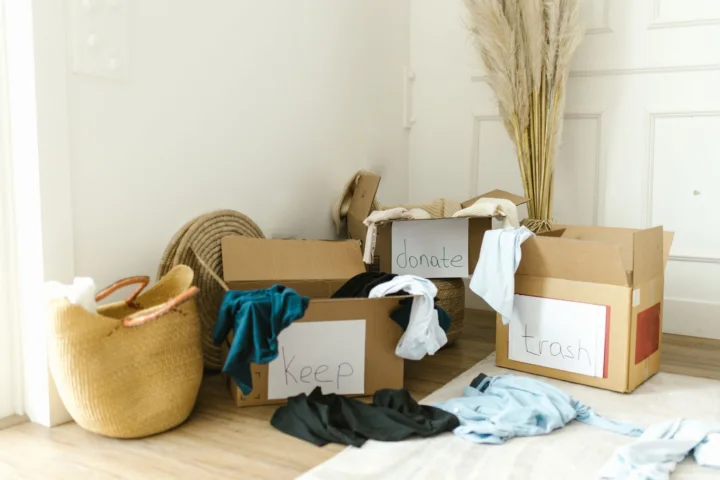
Gather everything into one place
All of it, from every room. This is the unpleasant part and it’s the only time
you have to do it.Discard broken things and things with missing pieces as you go. Anything
genuinely outgrown goes to a donate box now, not “later.” -
Sort into play types, not categories
Not “cars, dolls, blocks” but the kind of play involved: building, pretend,
puzzles, art, physical, books, small world.Sorting by play type is what makes each rotation feel varied. Sorted by
category, you end up with a rotation that’s all vehicles and one that’s all
puzzles. -
Build rotations of six to ten
One or two items from each play type per rotation. Aim for four to six
rotations depending on how much you have.Each rotation should feel like a complete little world — something to build
with, something to pretend with, something quiet, something physical. -
Set the favorites aside permanently
The comfort object, the current obsession, whatever is genuinely load-bearing
emotionally. These are not in the rotation. They live out, always.Rotating a child’s favorite thing is the fastest way to make them hate the
system and, reasonably, distrust it. -
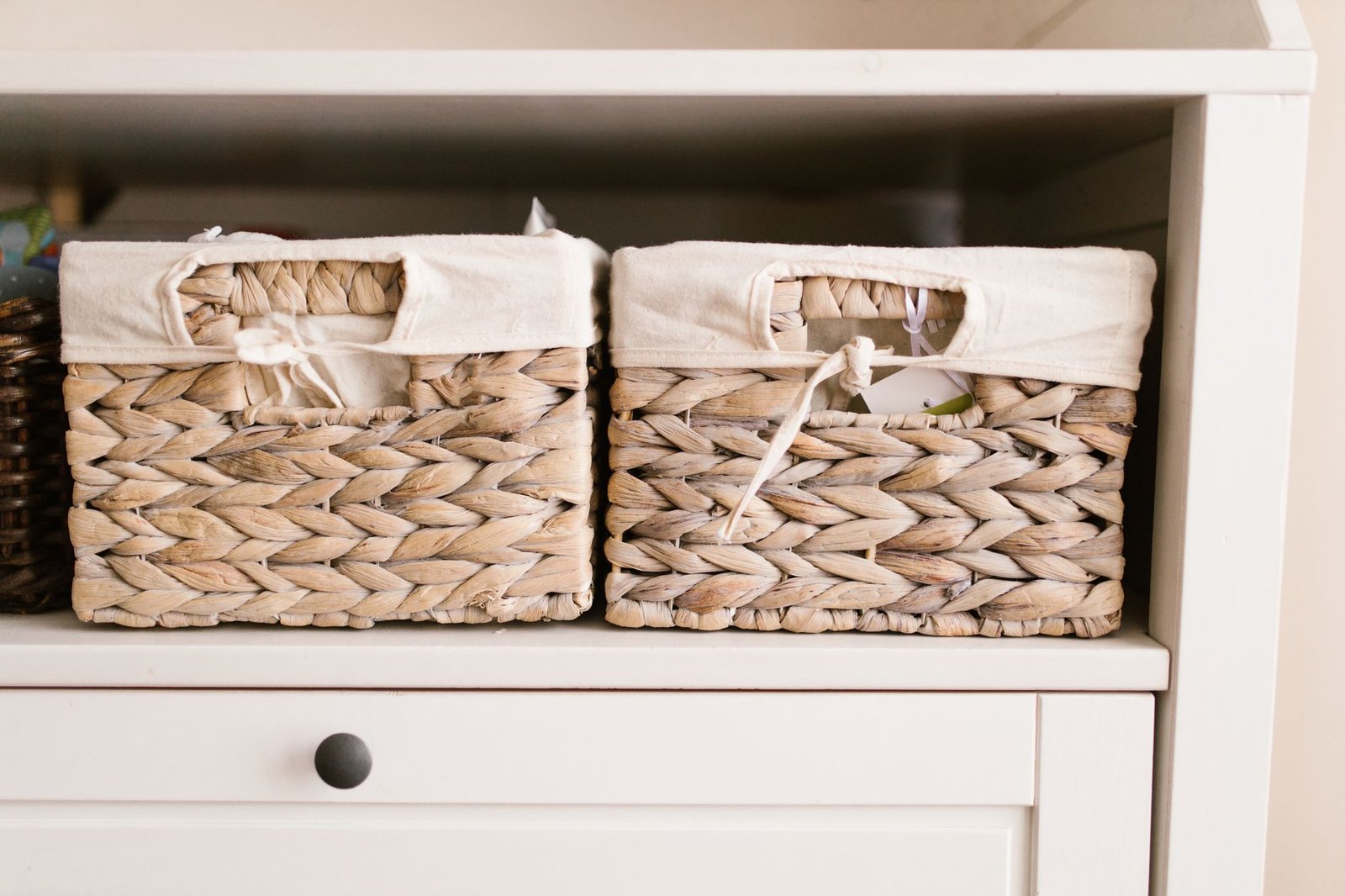
Store the rest out of sight
Boxes in a closet, under a bed, in the attic. Out of sight is the operative
part — visible storage means requests, and requests defeat the purpose.Label the boxes by rotation number so swapping takes two minutes rather than
becoming a project.
 Save
SaveWhat not to rotate
What works
- Building sets
- Puzzles and games
- Pretend-play sets
- Art supplies
- Small world toys
- Vehicles
What to watch
- The comfort object
- The current obsession
- Books (keep all out)
- Outdoor equipment
- Anything used daily
- Age-inappropriate keepsakes
Books are worth stating plainly: don’t rotate them. Access to books should be
unlimited and constant, and there’s no tidiness argument strong enough to
outweigh that.
The current obsession is the other one people get wrong. If a child is deep
into dinosaurs this month, dinosaurs stay out regardless of rotation. You’re
managing volume, not interrupting interests.
Running it without it becoming a chore
Swap when interest drops, not on a calendar. You’ll notice it — play sessions
get shorter, the tipping-out behavior returns. That’s the signal, and it’s
usually every two to three weeks.
The swap itself is two minutes: box out, box in. Do it after bedtime so the
new rotation is a small event in the morning rather than an administrative task
performed in front of an audience.
The daily upkeep is one basket during
the evening reset — collect, don’t distribute. And the
donate box gets reviewed during the Sunday reset, because a
donate box that never leaves is just a different pile.
 Save
SaveCommon questions
storage is genuinely out of sight. When they do ask specifically for something,
just get it — this is a system for managing volume, not a rule to enforce
against a child.
more specific interests, and start to want their things accessible. By then the
useful version is decluttering with them rather than rotating around them.
rotations per child. Shared rotations also reduce the ownership disputes that
per-child systems tend to generate.
days of the initial excitement. Otherwise the count out at once creeps back up
and you’re where you started by February.
Start with one room
Take whichever space has the worst toy sprawl. Gather everything, pull out
eight things across different play types, box the rest and put it out of sight.
Give it a week. The thing most people report isn’t a tidier room — it’s that
their child played with one thing for forty minutes.
1 comment