Decluttering stalls on decisions. Not on effort — on standing in a room
holding something, weighing whether you might need it, and putting it back down.
Do that thirty times and the afternoon is gone and the room is unchanged.
So this is a list of things to declutter that require no decision at all.
Everything here is expired, broken, duplicated, or has not been used in years.
Nothing sentimental. Nothing you will regret at 11pm.
 Save
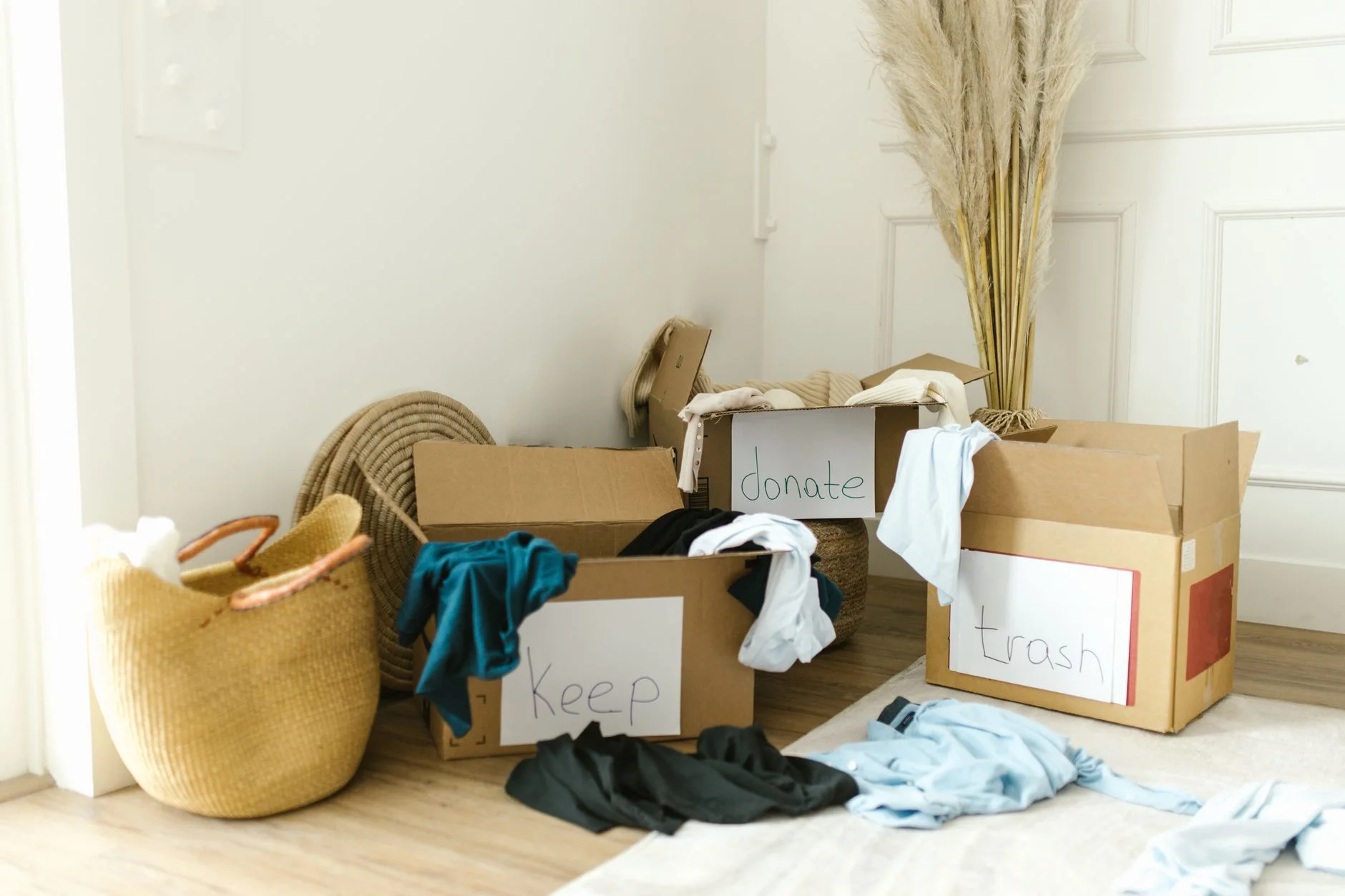
SaveKitchen — 20 things to declutter
Expired tins, jars and spices. Herbs older than two years. Chipped or cracked
mugs. Mugs beyond the number of people who drink hot drinks. Plastic containers
with no lid. Lids with no container. Takeaway containers. Duplicate utensils —
you do not need four spatulas. Gadgets used once. Chipped plates. Rusted baking
tins. Warped non-stick pans with the coating going. Free promotional glasses.
Bent cutlery. Dried-out cleaning sponges. Old carrier bags beyond a manageable
few. Cookbooks never opened. Manuals for appliances you no longer own. Fridge
magnets holding nothing. Loyalty cards for shops you never visit.
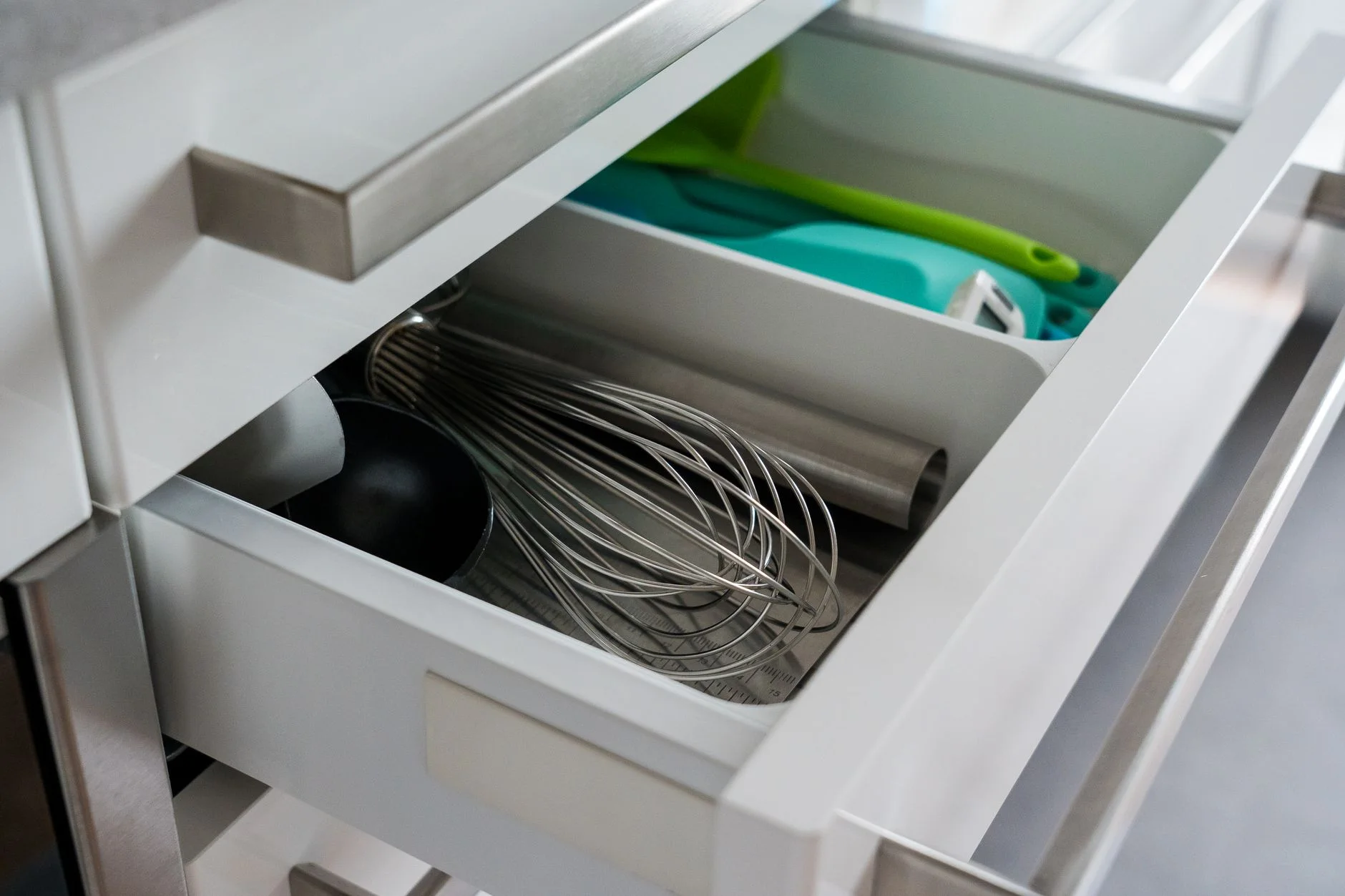
The pans and the plastic are usually the biggest volume. If the cupboards are
the problem rather than the contents, that is
a different job.
Bathroom — 15 things
Expired medicine — take it to a pharmacy rather than the bin. Sun cream from
past summers. Makeup older than a year. Nail varnish that has separated. Hotel
miniatures. Free samples. Products you tried once and disliked. Dried-out
mascara. Old toothbrushes. Worn or thin towels. Bath toys nobody plays with.
Hair accessories that snap. Empty bottles kept “in case”. Razor handles with no
blades. Perfume that has turned.
This room is almost entirely no-decision items, which makes it the best place
to start if you have never done this — see
bathroom organization for what stays.
Wardrobe — 15 things
Anything unworn for two years. Clothes that do not fit and have not for a
year. Items with stains that will not come out. Bobbled and misshapen knitwear.
Odd socks. Single gloves. Underwear past its best. Shoes that hurt. Broken
hangers. Wire hangers from the dry cleaner. Dry cleaning bags. Clothes kept for
a job you no longer do. Fancy dress from years ago. Belts that no longer fit.
Bags with broken straps.
Stop before anything that needs real thought —
the wardrobe method handles those properly.
 Save
SaveLiving room and office — 20 things
Pens that do not write. Dried markers. Cables for devices you no longer own.
Chargers that fit nothing. Remote controls for gone appliances. Instruction
manuals — nearly all are online. Old phones with no plan for them. DVDs and CDs
you cannot play. Magazines older than a month. Newspapers. Catalogues. Junk mail.
Expired coupons and vouchers. Dead batteries — to a recycling point. Broken
picture frames. Dead or dying houseplants. Candles burned to the base. Board
games with missing pieces. Puzzles with missing pieces. Business cards you have
never used.
Paperwork is the exception here and needs its own method rather than a bin
bag — start there before touching the files.
Kids’ things — 15 things
Toys with missing parts. Broken toys awaiting repair. Outgrown clothes. Shoes
that no longer fit. Books outgrown years ago. Party bag contents. Dried-out
craft supplies. Colouring books mostly filled. Broken crayons. Puzzles missing
pieces. Stuffed toys nobody has named. Baby equipment long outgrown. Bottles and
beakers no longer used. School work from previous years, beyond a few keepsakes.
Games nobody plays.
Do this without the children present for the obvious no-decision items, and
with them for anything they might notice.
Toy rotation is the ongoing version.
Everywhere else — 15 things
Keys to nothing. Coins in dead currency. Broken sunglasses. Umbrellas that do
not open. Half-used tins of paint. Dead lightbulbs. Extra buttons from clothes
long gone. Twist ties and bread tags. Rubber bands. Carrier bags of carrier bags.
Cardboard boxes kept “for postage”. Gift bags beyond a few. Ribbon scraps.
Vases from delivered flowers. Anything you have moved house with twice and never
unpacked.
What works
- Starting with no-decision items
- One bag, one timer, one room
- Removing it from the house the same day
- Medicine to a pharmacy, batteries to recycling
- Leaving sentimental things for later
- Stopping when the timer goes
What to watch
- Beginning with photographs or keepsakes
- Sorting into 'maybe' piles
- Bags that sit by the door for weeks
- Trying to do the whole house in a day
- Keeping broken things to fix
- Deciding each item's fate twice
Where it all goes
Decide the destination before you start, because a bag with nowhere to go
becomes clutter in a different room.
- Charity shop — clothes, books, toys, homeware in good condition.
- Textile recycling — worn clothes, towels, bedding. Most councils and many retailers collect.
- Pharmacy — expired or unused medicine, never the bin or the toilet.
- Recycling centre — batteries, electronics, paint, bulbs.
- Local giveaway groups — furniture and anything bulky.
Very little of this genuinely belongs in general waste, and knowing that in
advance removes the guilt that stops people starting. The EPA’s
materials
and waste figures show how much of what households discard is recyclable or
reusable — textiles and electronics especially.
 Save
SaveWhat not to start with
Three categories will stop you dead, and none of them belongs in a
twenty-minute session.
Photographs and keepsakes. Every item is a decision and an
emotion. These need a slow, separate session once you have practice.
Anything belonging to someone else. Including adult children
and partners. It causes an argument and it undermines the whole project.
Inherited items. Real weight, and no deadline. Leave them
until the easy ninety percent is done.
If you want a structure that builds up to those,
the 30 day declutter challenge is ordered from easiest
to hardest deliberately. And a fair amount of modern clutter is not physical at
all — the digital version is worth the same treatment.
Common questions
which means no decisions and a visible result in twenty minutes. Starting with a
wardrobe or a loft is how people conclude they are bad at decluttering.
misses a dried-out marker or a lid with no container. If you are anxious about a
specific item, it does not belong in a no-decision session; put it in a dated box
and revisit in six months.
the items are small and the decisions are already made. The bathroom and the
kitchen drawer alone usually account for forty.
using. Pair it with small space organization — removing the
no-decision items usually frees enough room that no new storage is needed.
One bag, tonight
Take a bin bag to the bathroom, set a timer for twenty minutes, and clear
everything expired, empty or dried out.
It is the easiest room in the house and it will fill the bag. Then put it in
the car so it leaves tomorrow, and pick the next room during
your weekly reset.