
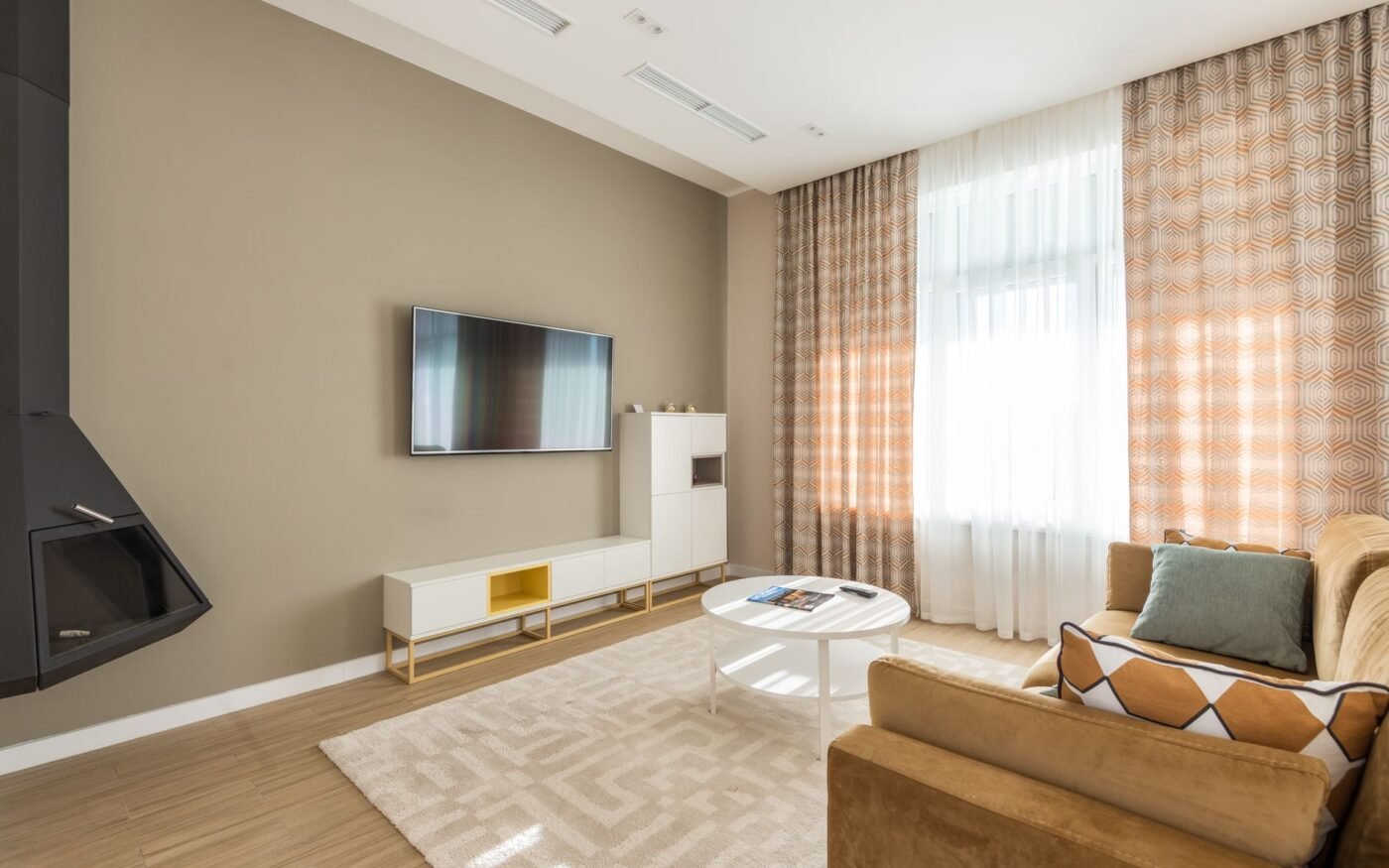
If you have ever spent a Saturday tidying and finished feeling like nothing
changed, the problem was not effort. It was target selection.
Learning how to tidy a messy house fast is mostly a question of deciding what
not to touch. Mess is not evenly distributed, and neither is its visual weight.
A handful of surfaces carry almost all of what your brain registers as “this
room is a mess” — and a drawer nobody opens carries none of it.
 Save
SaveWhy room-by-room tidying fails
Room-by-room is the default because it feels systematic. Start at one end,
work to the other, done. In practice it fails for three reasons.
It has no stopping point, so it expands. Once you are “doing the bedroom”,
the wardrobe is fair game, and a twenty-minute tidy becomes two hours and a pile
of clothes on the bed you now have to deal with before you can sleep.
It treats all mess as equal. Forty minutes spent organising a cupboard
produces no visible change; four minutes spent clearing the kitchen counter
changes how the entire ground floor feels. Same effort, wildly different return.
And it does not fit the time you actually have. Most tidying happens in ten
or fifteen minute windows. A method that requires a clear afternoon is a method
you will use roughly twice a year.
How to tidy a messy house fast: the four surfaces
-
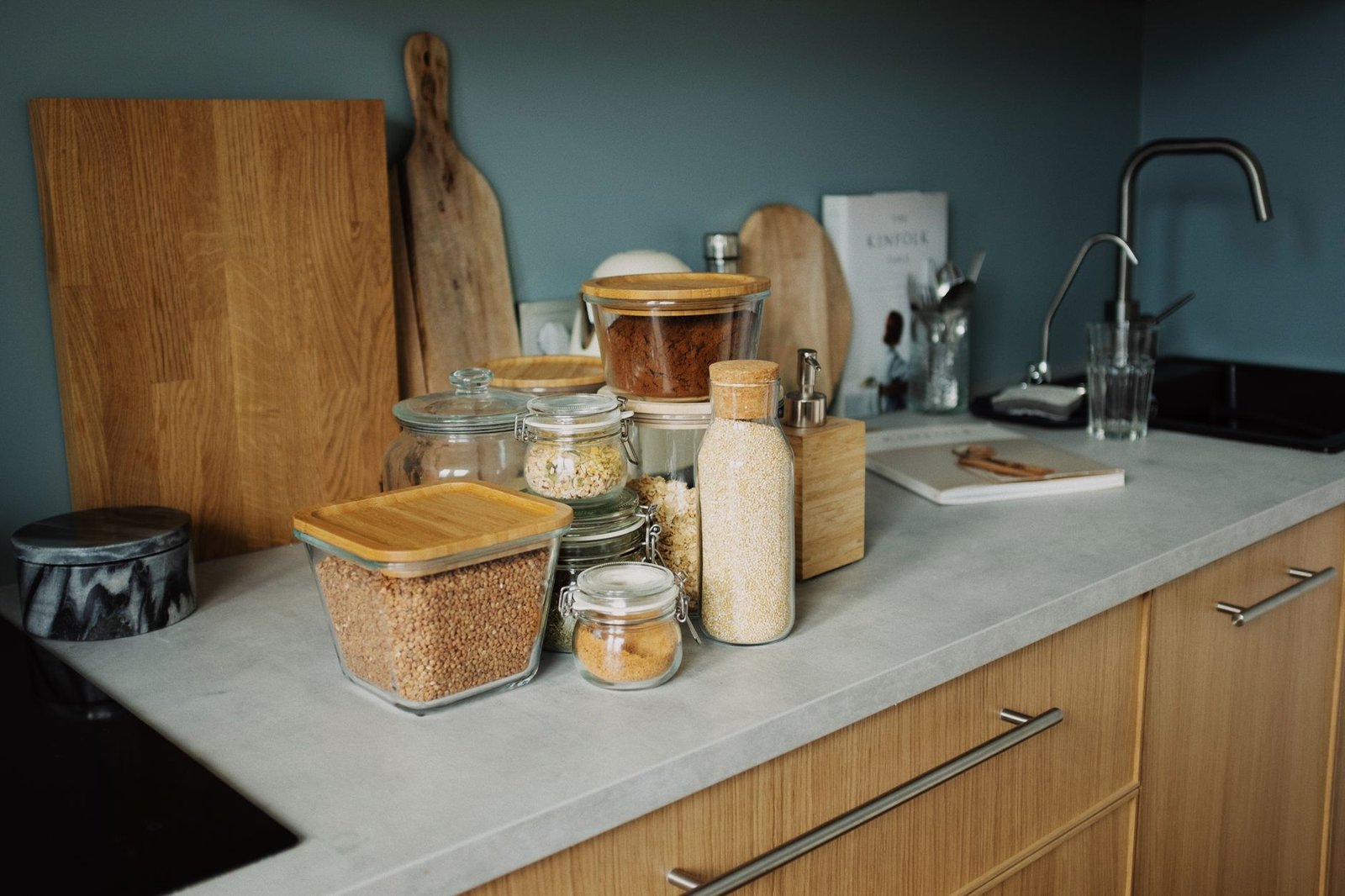
The kitchen counter
The highest-traffic horizontal surface in the house and the one that
accumulates fastest — post, keys, packaging, the appliance somebody used on
Tuesday. It is also usually visible from the main living space, so it sets the
tone for a room it is not even in.Clear it completely. Not tidied into neat piles — cleared. A counter with
three organised stacks still reads as cluttered; an empty one reads as a
finished kitchen even if the dishwasher is full. -
The dining table
The table is where flat things go to die: paperwork, school letters, the
laptop, the thing that needs returning. It is large, central, and at eye level
when you walk past.The reason this one matters disproportionately is that a covered table stops
being a table. Once it is a storage surface, nobody eats there, which removes
the daily reason to clear it, which guarantees it stays covered. -
The coffee table
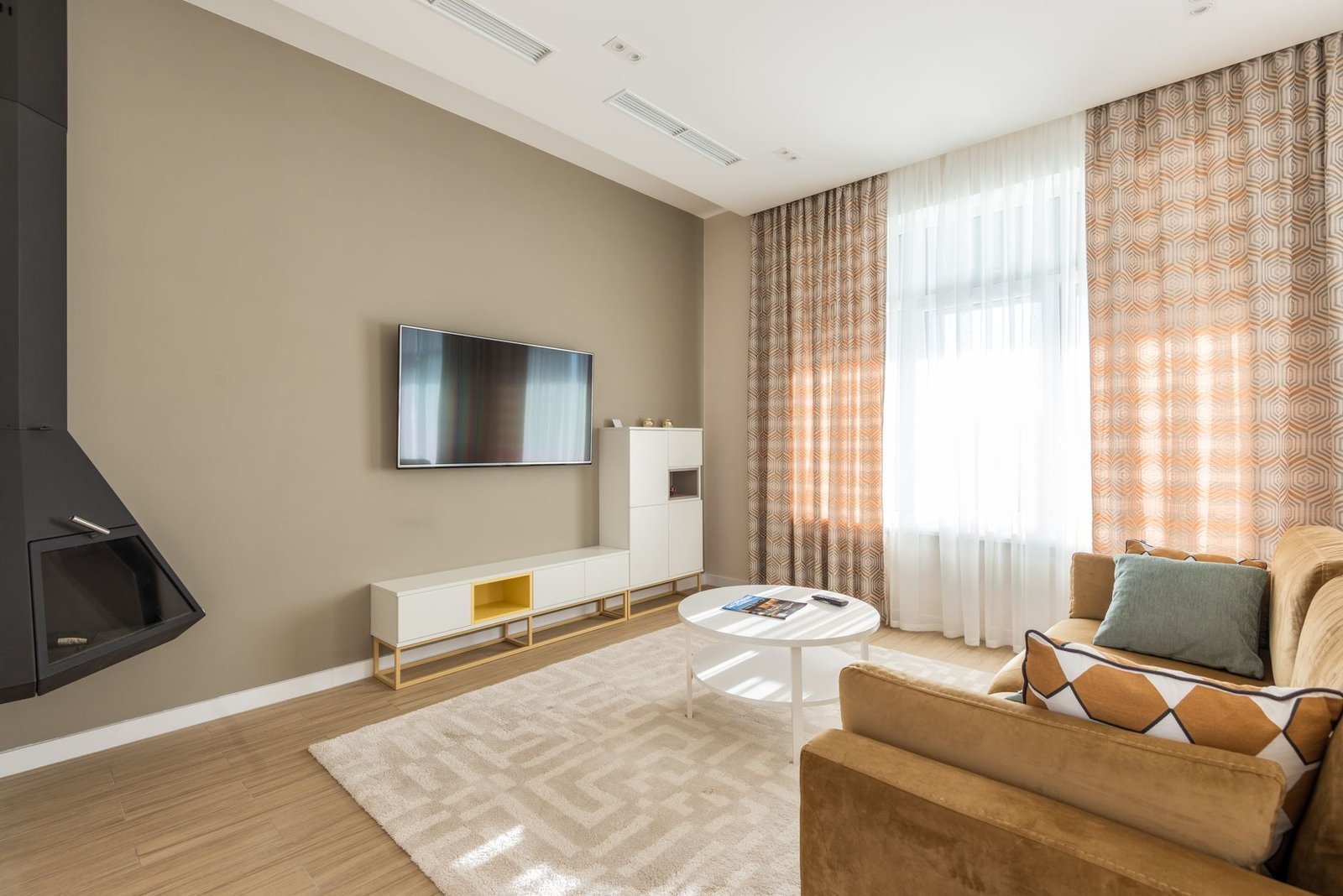
Small, central, and directly in your eyeline whenever you sit down to relax.
It carries far more visual weight than its size suggests, precisely because you
look at it while doing nothing else.Two minutes here changes how the whole evening feels. This is the highest
return-per-second surface in the house. -
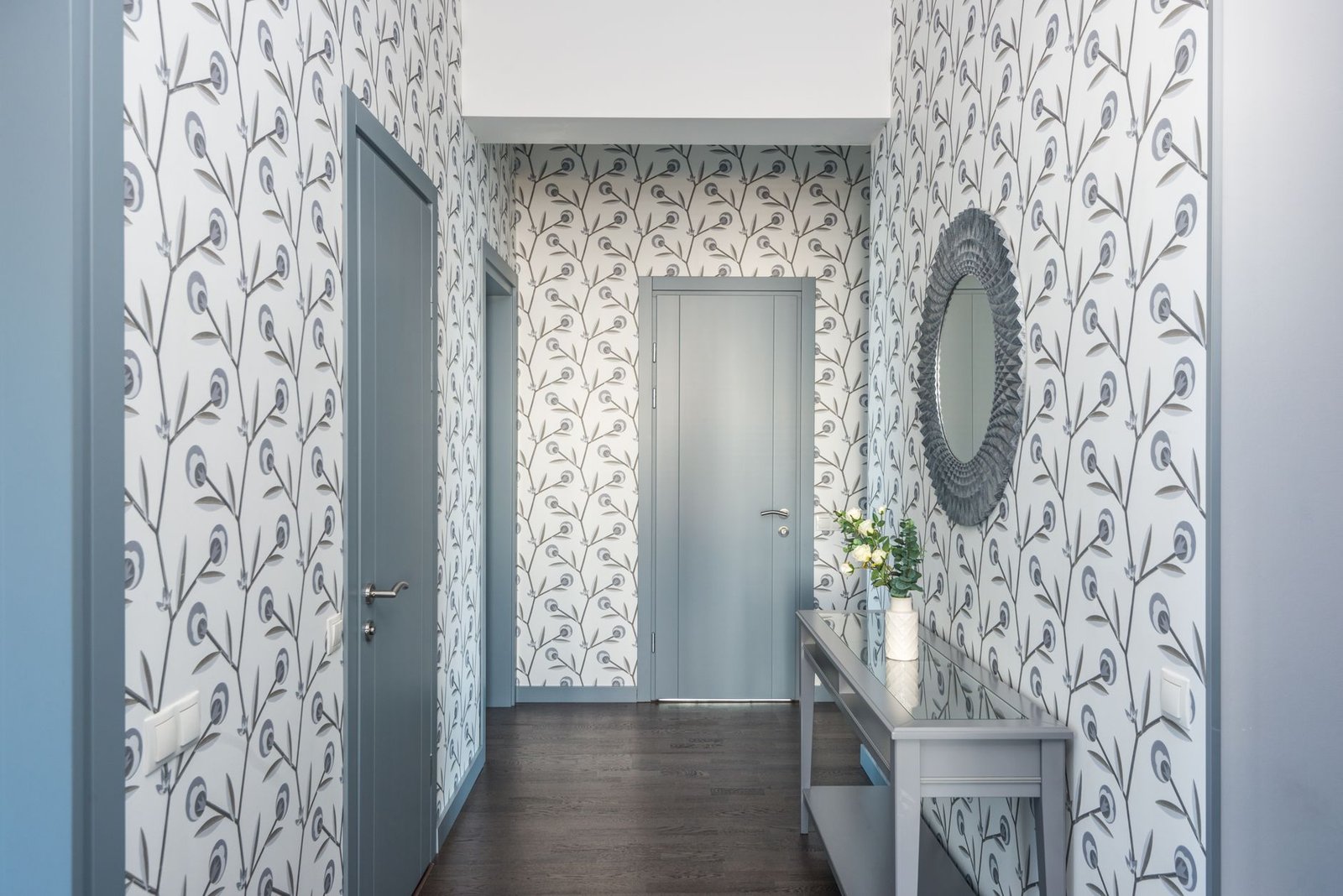
The entryway drop zone
Wherever things land when people come through the door — a console, a bench,
a chair, the bottom of the stairs. This one is different from the others: it is
the first and last thing anyone sees, so it disproportionately sets the
impression of the whole house.It is also the earliest interception point. Things cleared here never make it
to the other three surfaces.
 Save
SaveWhy these four and not others
Two properties do the work: horizontal and
in your sightline.
Horizontal surfaces accumulate because putting something down requires no
decision. Vertical storage — shelves, hooks, cupboards — requires you to choose
where it goes, so it fills far more slowly. This is why the counter is chaos and
the bookshelf next to it is fine.
Sightline determines whether accumulation registers. A full drawer and a full
counter contain the same amount of stuff; only one makes the room feel like it
is closing in. Your sense of “the house is a mess” is built almost entirely from
what is visible at standing and sitting eye level.
Which is why the corollary matters as much as the rule:
the inside of things can wait. Drawers, cupboards, the space
under the stairs — none of it contributes to how the house feels day to day.
Deal with those when you have a genuinely free afternoon, not inside the
fifteen minutes that were supposed to make tonight better.
The six-minute version
On a bad day, do this instead of nothing:
- Ninety seconds: coffee table, cleared into a basket
- Ninety seconds: kitchen counter, cleared
- Ninety seconds: dining table, cleared
- Ninety seconds: entryway, cleared
- Empty the basket tomorrow — not tonight
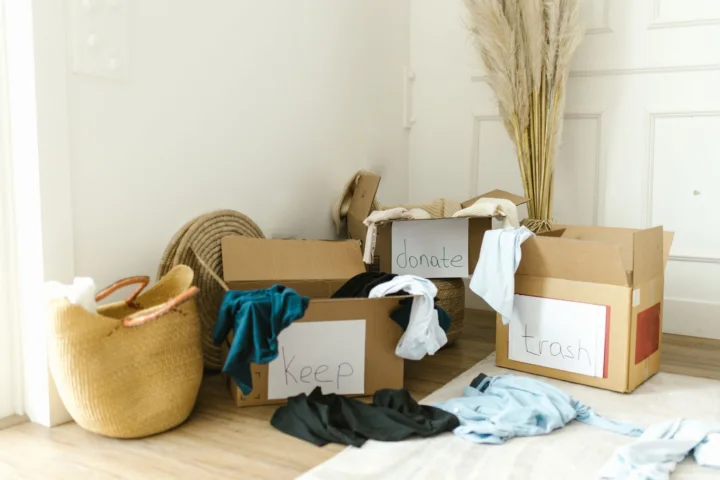
The basket is the trick. Walking each item to its home is what makes tidying
take an hour; collecting everything and dealing with it later takes a fraction
of the time and produces an identical-looking room. Deferring the basket is
allowed. Leaving the surfaces covered is not.
 Save
SaveMaking it automatic
The four-surface rule works best as a daily habit rather than a weekly
event — which is the opposite of how most tidying advice is structured.
Attach it to something that already happens. After dinner, before the TV goes
on, or last thing before bed. The trigger matters more than the timing: habits
attached to an existing routine survive; habits scheduled in isolation do not.
Then use the weekly Sunday reset for the deeper pass —
the surfaces you did not get to, the basket that has been sitting there, and the
laundry. Daily handles visible mess; weekly handles accumulated mess. Trying to
do both in one sitting is how people end up doing neither.
The same logic drives the
grocery budget reset, incidentally: find the few actions
carrying most of the outcome, do those relentlessly, and stop feeling guilty
about the rest.
Common questions
horizontal, high-traffic, and in your sightline. In a small flat that might be a
desk, a windowsill, and a single kitchen worktop. Identify your four and the
method transfers unchanged.
affects how you feel in your home every day and the mess sitting inside a closed
cupboard. Dealing with the visible layer daily costs minutes; dealing with the
hidden layer is a separate, occasional job. Conflating them is why people put
off both.
goal is not permanently clear surfaces, it is a short reliable routine that
clears them faster than they fill. The entryway is the exception worth investing
in: a hook, a tray, and a basket there intercept a surprising share of what
would otherwise end up on the other three.
room as a fifth stop and keep the same rule — collect, do not distribute. Older
children can take one surface each, which takes the whole thing under four
minutes.
Try it tonight
Pick the four surfaces in your home. Set a timer for six minutes, take one
basket, and clear them — collecting, not distributing.
Then sit down and look at the room. That feeling of the house being under
control has almost nothing to do with the cupboards, and never did.
9 comments