
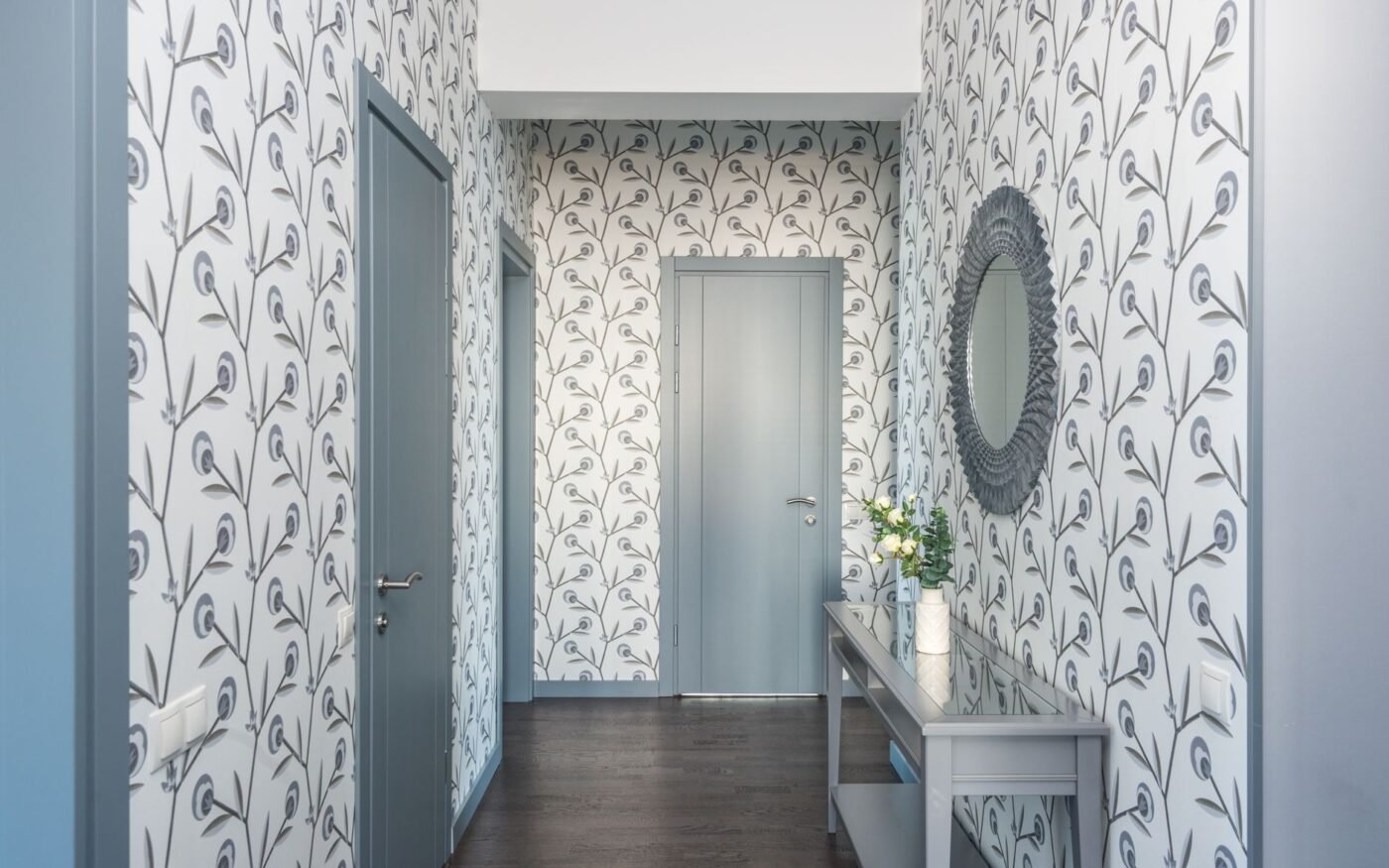
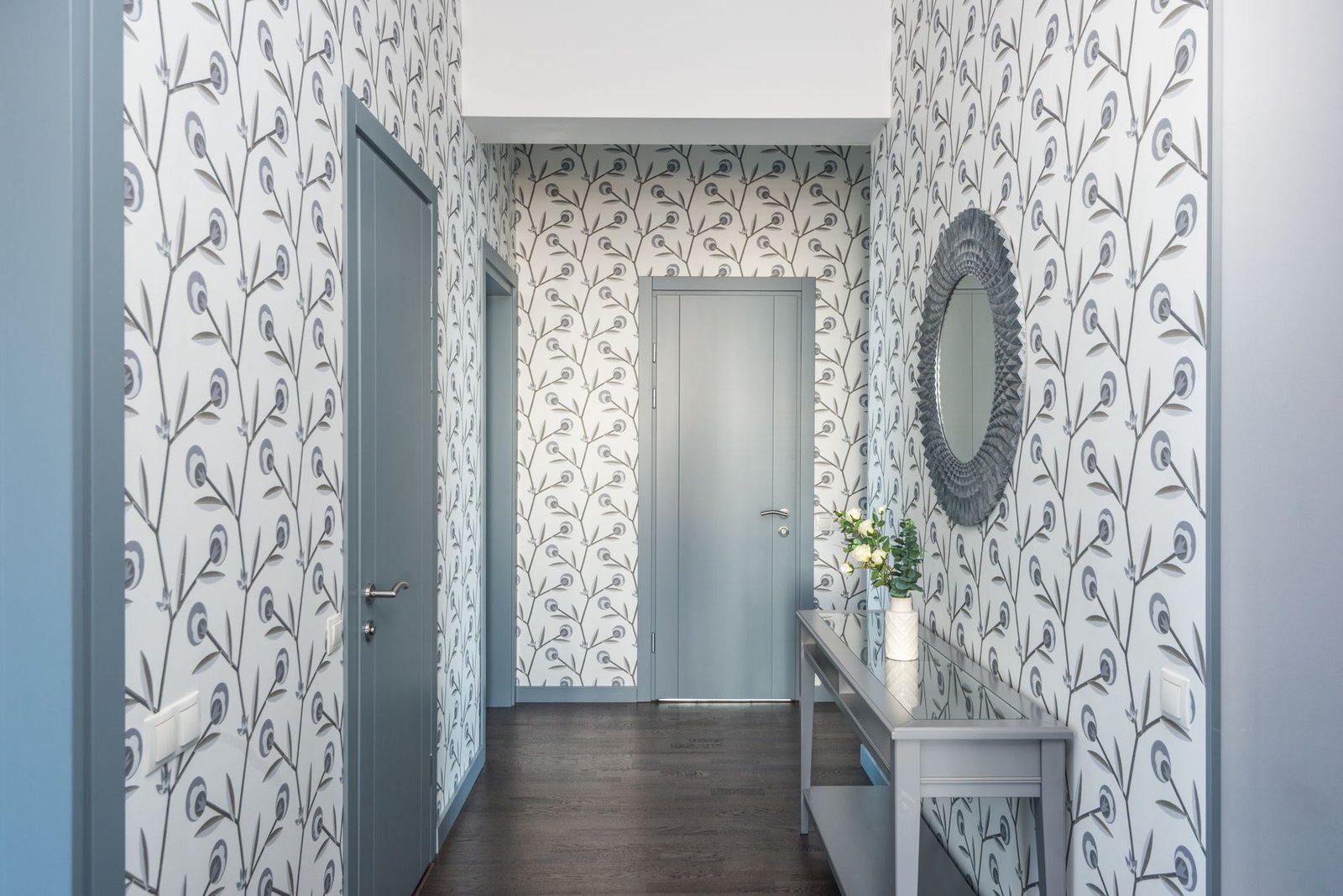
Every house has a spot where things land. A console table, a bench, the
bottom of the stairs, the floor. Bags, shoes, mail, receipts, one glove.
Most entryway organization advice tries to eliminate that spot. That’s the
mistake. The drop zone exists because people arriving home are carrying things
and need to put them down — you cannot design that away. What you can do is give
it a shape, so it stops leaking into the rest of the house.
 Save
SaveWhy most entryway organization fails
Three reasons, and none of them is a lack of storage.
It’s designed for who you wish you were. Hangers instead of
hooks, shoes in a closed cabinet, a letter rack that requires sorting mail on
arrival. Every one of those adds steps at the exact moment people have the least
patience — arriving home carrying things. Systems that demand precision at the
door do not survive.
It has no outbound function. Almost every setup handles
things coming in and nothing going out. So library books, returns, and the thing
you’re meant to take to work accumulate on the nearest surface, and that surface
becomes a second drop zone.
It ignores weather. An entryway that works in July fails in
November because nothing is designed to be wet. Wet shoes on carpet, dripping
coats on wood, and suddenly the mess has migrated to the living room.
The four functions every entryway has to serve
-
Landing — for what people are holding
Keys, phone, wallet, mail. Small things that otherwise migrate to the kitchen
counter and become part of a different problem.One tray or dish, at the height of the surface nearest the door. It has to be
reachable without putting anything else down first — if using it requires two
hands, it won’t be used.Mail gets a rule, not a rack: it goes in the tray, and it’s dealt with during
the weekly reset. Sorting mail while standing in a coat is a fantasy. -
Containing — for bags, coats, and shoes
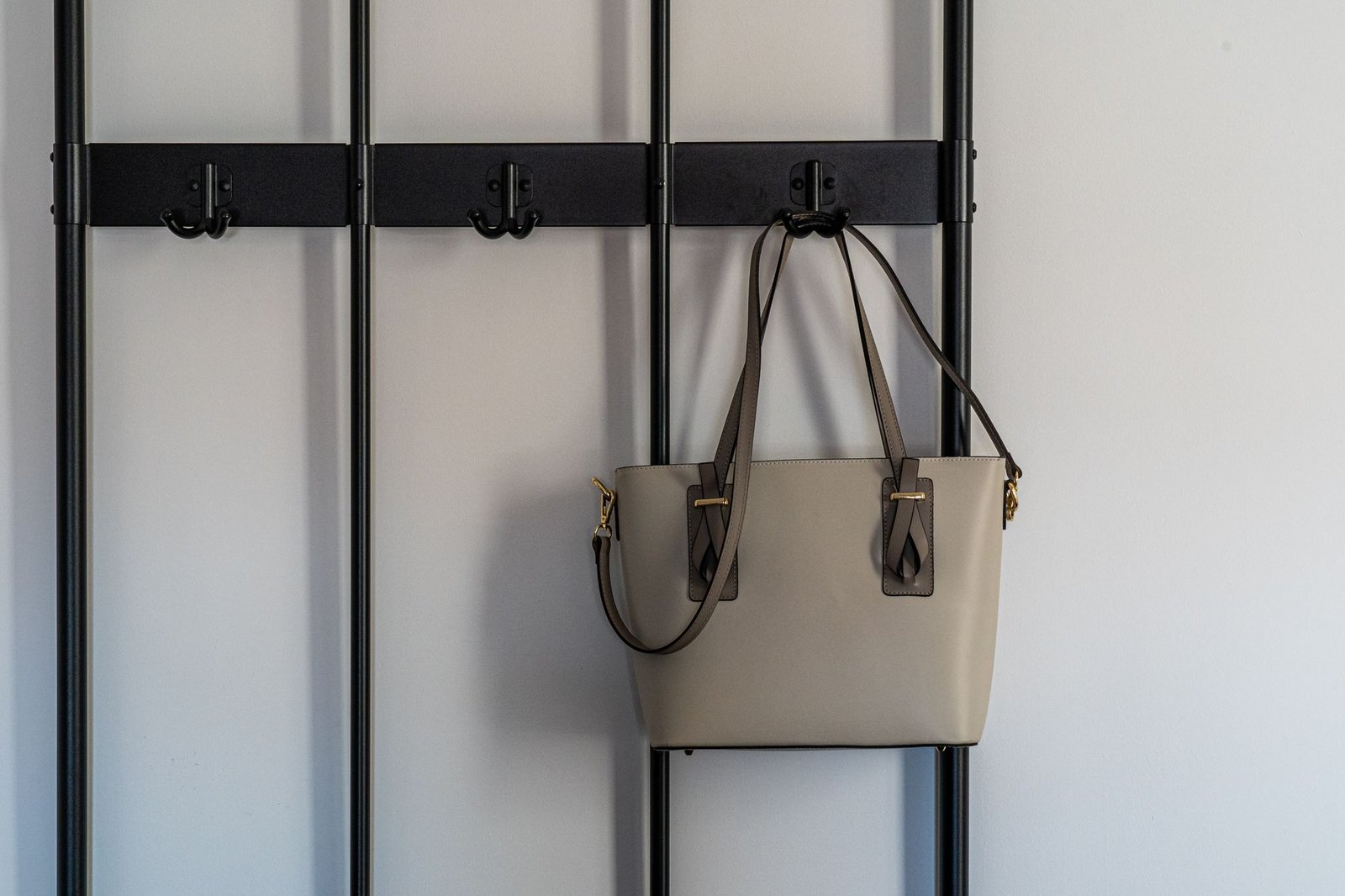
Hooks, not hangers. This is the single highest-impact decision here. Hanging a
coat properly is open the closet, find a hanger, hang, return — four actions.
A hook is one. Under time pressure, four actions become a coat on a chair.Mount them at the height of the people using them, which for children means
much lower than feels natural. A hook a child cannot reach is a coat on the
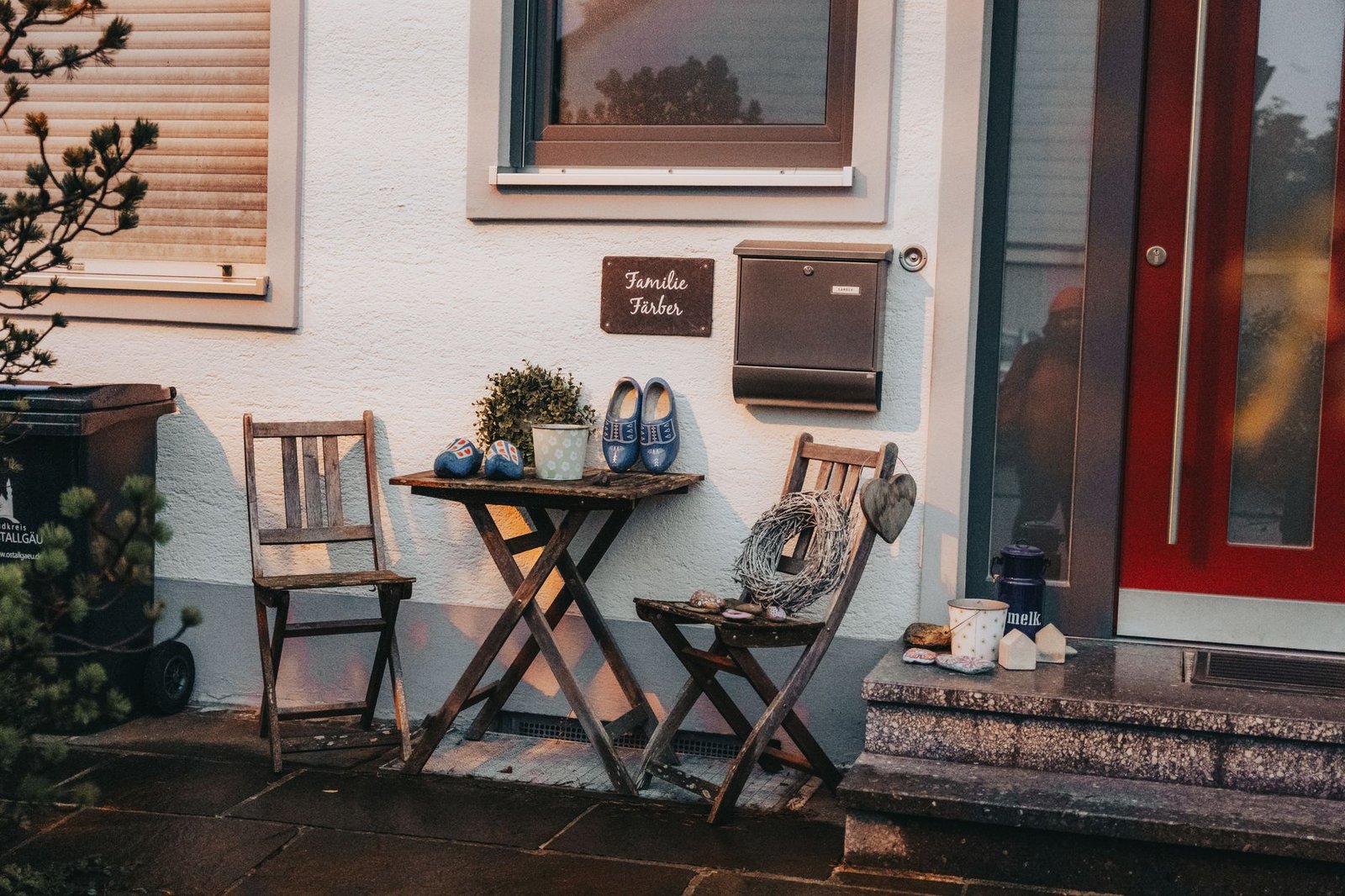
floor, permanently.Shoes need a defined footprint — a mat, a tray, a low rack. Not a cupboard.
The line is visual: shoes inside the rectangle are tidy, shoes outside it are
not, and everyone can see the difference without being told. -
Drying — the one everyone skips
From October this becomes the function that determines whether the whole
system holds. Wet things need somewhere to be wet that isn’t your floor.A boot tray with a genuine lip, so water is contained rather than spread.
Ideally a couple of hooks away from the wall for dripping coats, because a wet
coat pressed against drywall is a damp patch waiting to happen.This is also job one on the fall reset checklist, for
exactly this reason — it’s the job that stops the season’s mess entering the
house at all. -
Outbound — for things leaving the house
The missing function in nearly every setup, and the cause of the most
persistent clutter.One defined spot — a shelf, a basket, a square of floor — for things that
need to leave: returns, library books, the dish being given back, the package. The
rule is that it only holds things going out, and you check it on the way past.Without this, outbound items sit on the dining table for weeks, because
there’s no place that means “leaving.”
 Save
SaveSizing it to the space you actually have
Most entryway content assumes a mudroom. Most people have a hallway three feet
wide, or a front door opening straight into a living room.
Narrow hallway: go vertical. A row of hooks, a slim shelf
above with the landing tray, a boot tray beneath. Zero floor footprint beyond
the tray, all four functions covered.
Door opening into a room: define the zone with a rug. It
sounds cosmetic and isn’t — it creates a visual boundary that both contains shoes
and stops the drop zone creeping into the room.
Actual mudroom: your risk is the opposite one. Space
encourages accumulation, so the outbound spot and the one-basket-per-person limit
matter more here, not less.
Keeping it working
An entryway degrades faster than any other part of the house because it’s used
under the worst conditions — arriving, leaving, in a hurry, carrying things.
Assume decay and build in resets.
- Daily, 60 seconds: shoes back inside the rectangle, coats on hooks. Do it as you pass, not as a task.
- Weekly: empty the landing tray and each person’s basket. This belongs in the Sunday reset.
- Weekly: actually take the outbound pile out. A pile that never leaves is just clutter with a purpose attached.
- Seasonally: rotate what lives there. Winter coats out in April, wet-weather gear in come autumn.
The daily minute is what does the work. It’s also the fourth surface in
the four-surface rule, so if you’re already doing that,
this is not an additional job.
 Save
SaveWhy this one is worth doing first
Of everywhere in a house you could organize, the entryway has the best return
because it operates upstream. Everything that lands there and stays there is
something that never reaches the kitchen counter, the dining table, or the sofa.
Organizing a cabinet improves a cabinet. Organizing the entryway reduces
the amount of mess that enters the house in the first place — which is a
different category of result, and it compounds every single day.
Common questions
undefined. Find where things currently land, and put the four functions there,
even if that’s a shelf and three hooks on the wall beside the door. The location
matters far less than the functions existing.
their height, one basket each clearly theirs, and a shoe zone with a visible
edge. If people are still not using it, the setup is asking for too many actions
— that’s a design problem rather than a compliance one.
adds an action and hides the mess rather than preventing it — shoes end up beside
the cabinet. An open tray with a visible boundary works better for most people,
even though it photographs worse.
expensive furniture in entryway photos is the least important part, and buying it
first is the most common way people end up with a beautiful setup that fails.
Start with hooks
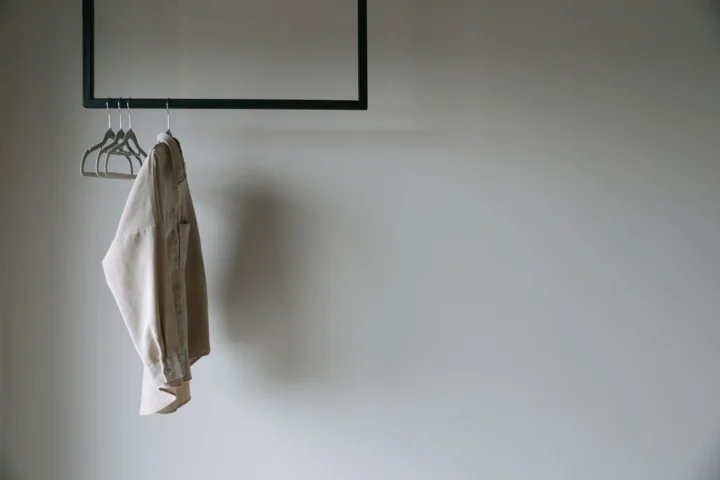
If you do one thing: put hooks at the height of the people who live in your
house, and take the hangers away.
Coats on the floor are almost never a discipline problem. They’re a
four-actions-versus-one problem, and you can fix it in twenty minutes with a
drill.
6 comments