Small space organization advice usually arrives as a photograph of a flat
with one plant, three books and nobody living in it. That is not organization,
it is emptiness, and it is not available to a household with two adults, a child
and a job.
What is available is the wall. Small homes are almost never short of volume —
they are short of used volume, because storage is bought as furniture that sits
on the floor and the top two metres of every room stays empty.
 Save
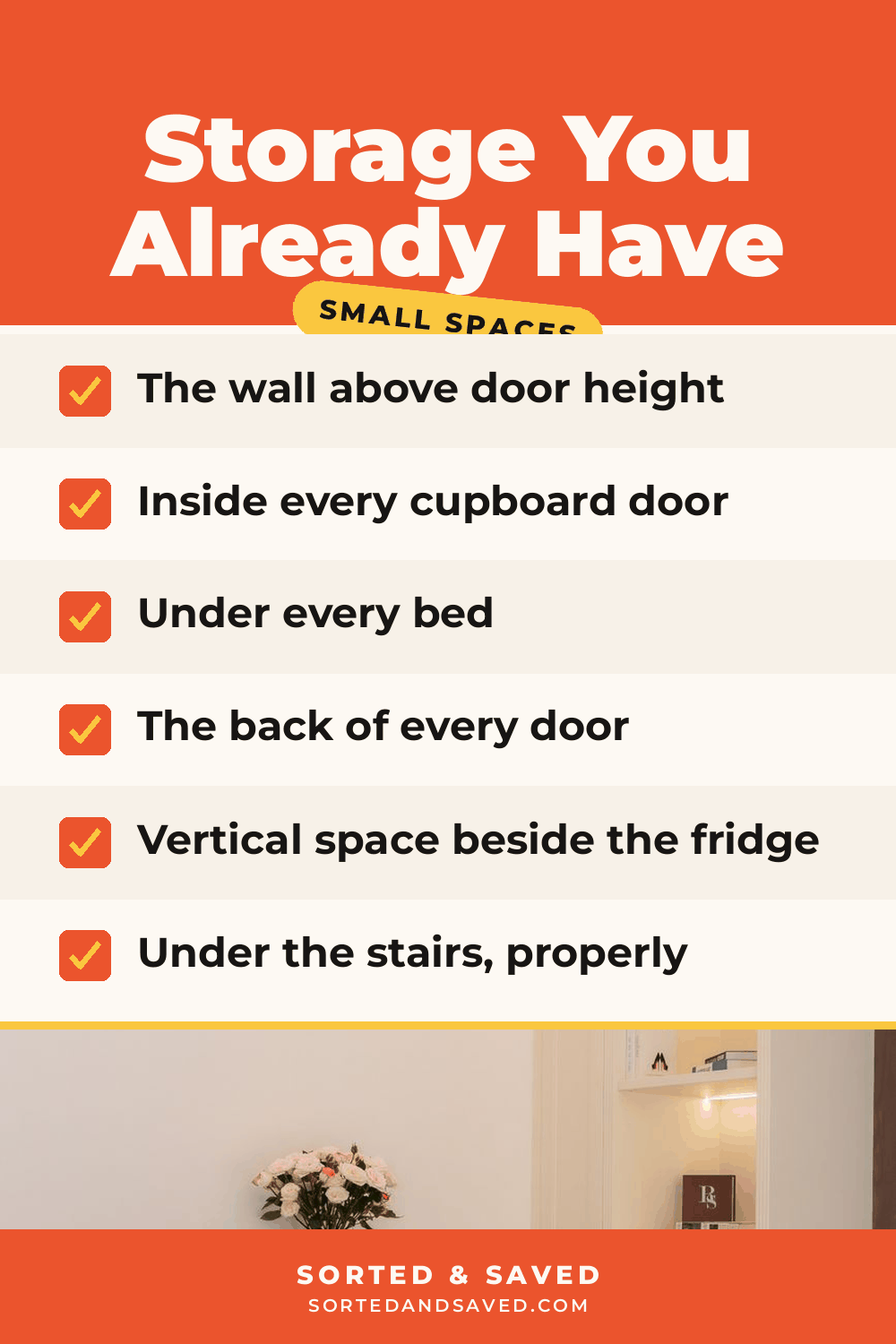
SaveThe six places storage already exists
Before buying a single box, use what the property already gives you.
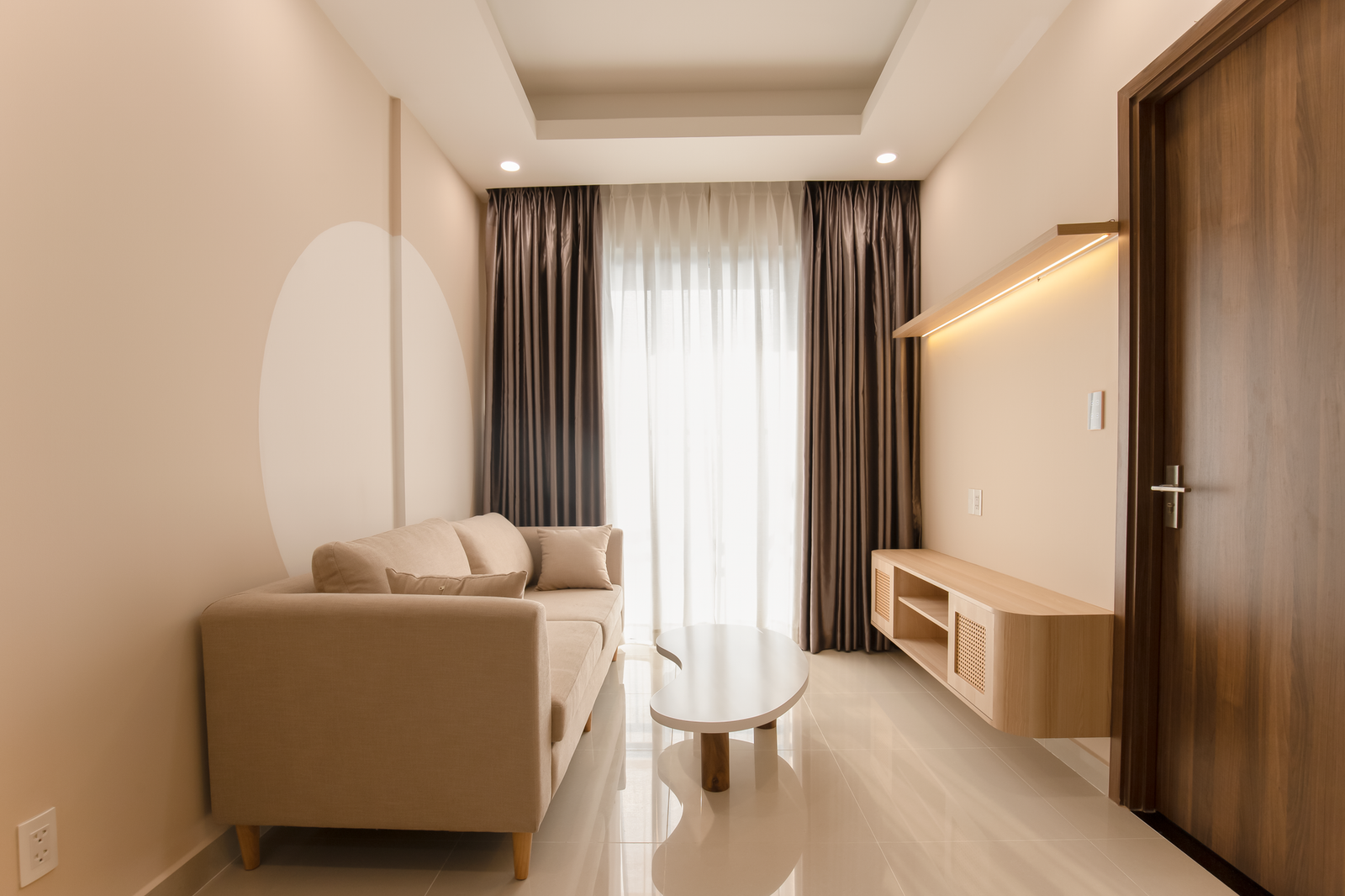
- Above door height. A shelf running the length of a wall at 200cm carries books, boxes and seasonal items and does not make a room feel smaller, because nothing at that height is in your sightline.
- Inside cupboard doors. Adhesive or over-door racks hold cleaning bottles, spices, foil, hair tools. Two to four inches deep, and it is dead space in every kitchen and bathroom.
- Under every bed. Flat lidded boxes on castors. Bed risers add another fifteen centimetres if you need it.
- The back of every door. Hooks or a slim rack — coats, bags, shoes, ironing board.
- The vertical slot beside the fridge or washing machine. A narrow pull-out on wheels turns a ten-centimetre gap into a pantry.
- Under the stairs, treated properly. Not a cupboard you throw things into but shelving or drawers built to the actual slope.
Between them these add more usable storage than any furniture purchase, and
most of it is reversible enough for a rented flat.
Small space organization, room by room
-
Entryway — the highest-value square metre
In a small home the door opens straight into the living space, so this is
where the whole flat is judged. A rail of hooks, a narrow bench with storage
inside, and one tray for keys and post. Nothing that projects more than
thirty centimetres.The drop zone principles matter more here than in a
house with a hallway, because there is nowhere for the overflow to go. -
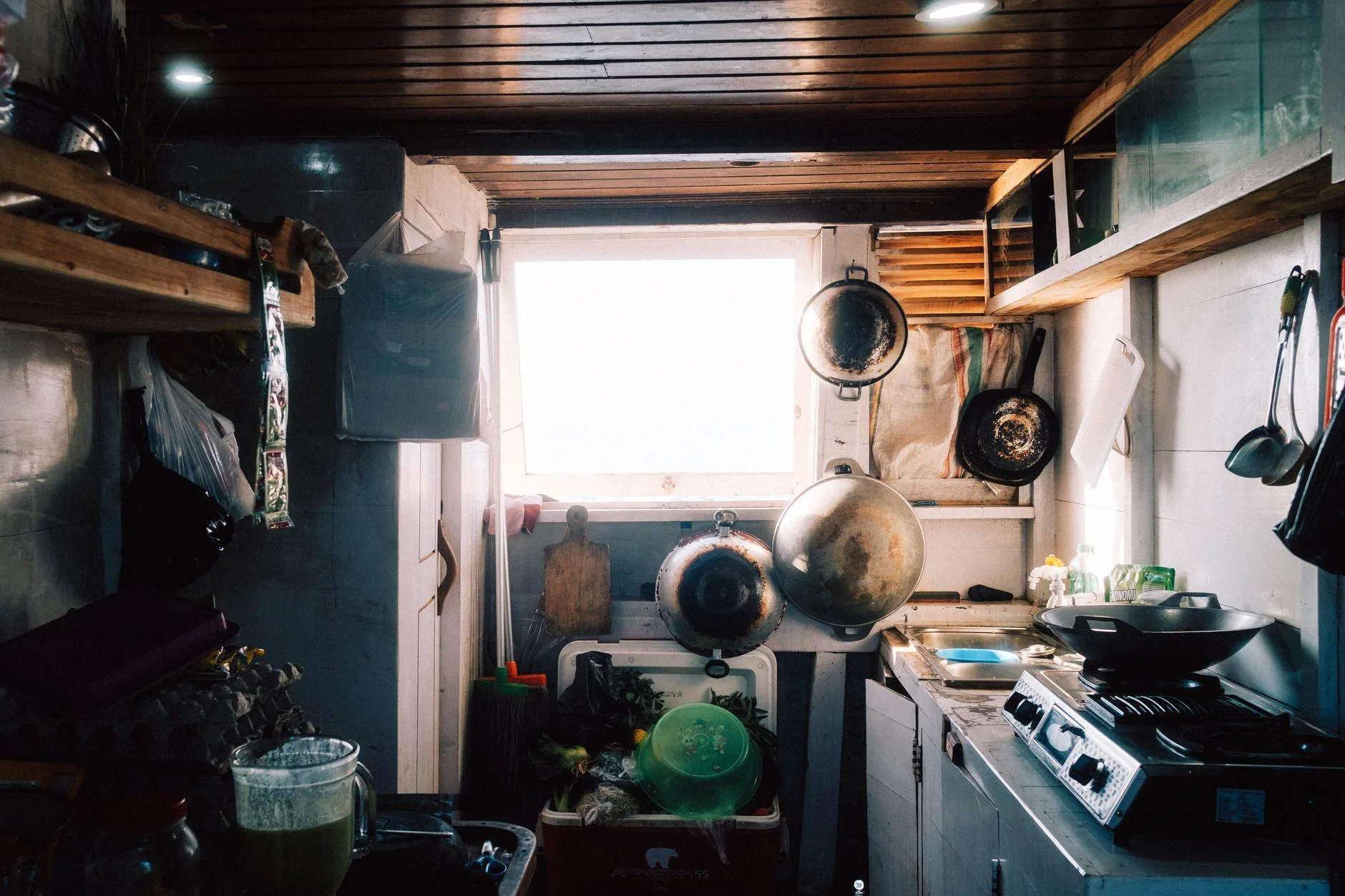
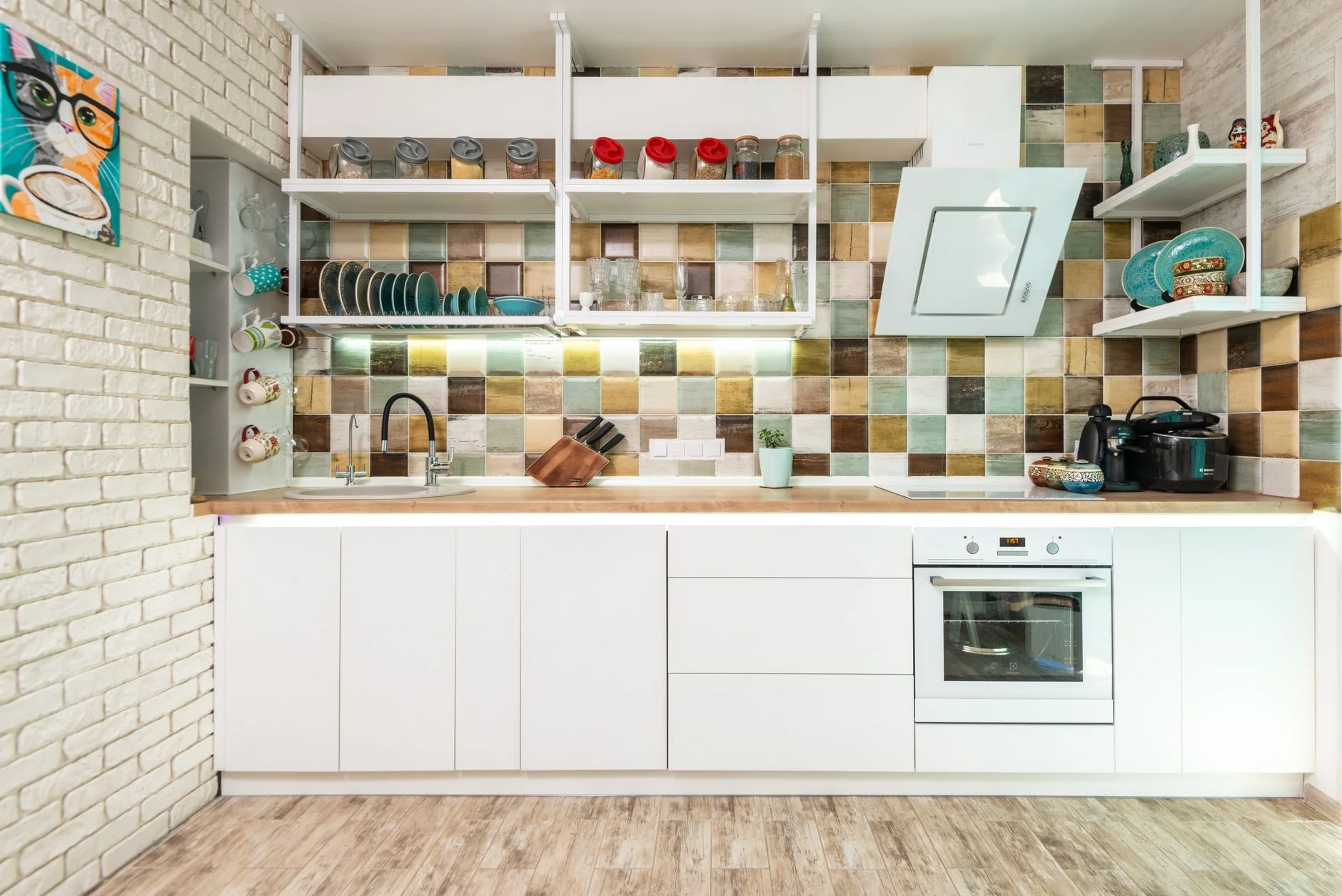
Kitchen — go up, and use the doors
A rail under the wall units for utensils, magnetic strip for knives, hooks
under shelves for mugs. Inside the cupboard doors: spice racks and bin bag
holders. Above the units: the appliances you use twice a year, in matching
boxes.The limiting factor in a small kitchen is almost always what is being stored
rather than the layout — see
kitchen cabinet organization and
the cupboard under the sink, which in a small flat is
often the largest single storage volume you have. -
Bedroom — the bed is the storage
An ottoman bed or four flat boxes underneath holds everything a chest of
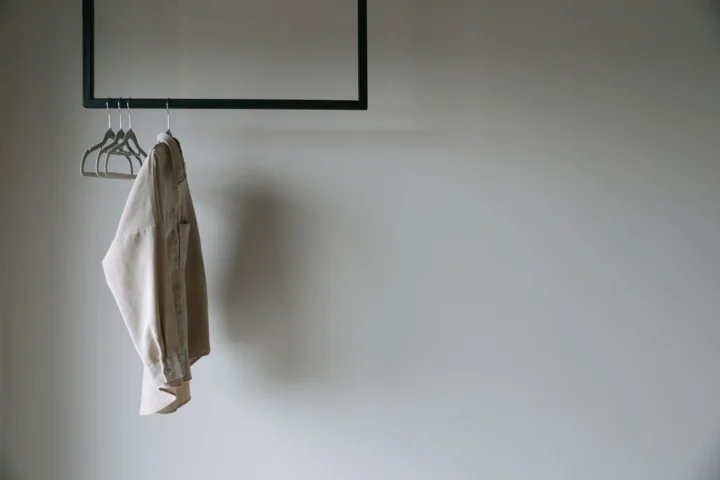
drawers would, and takes no floor. Hooks on the back of the door for tomorrow’s
clothes stops the chair pile. One shelf above the door for out-of-season items.If there is no linen cupboard, each bed’s sheets live under that bed — which
is arguably better than a central store anyway. -
Bathroom — everything off the floor
Over-toilet shelving, a corner unit in the shower, hooks instead of a towel
rail where the wall is short. Daily items out, everything else in a lidded box
under the sink.Small bathrooms fail on quantity rather than layout — the
one-of-each rule does more than any shelf. -
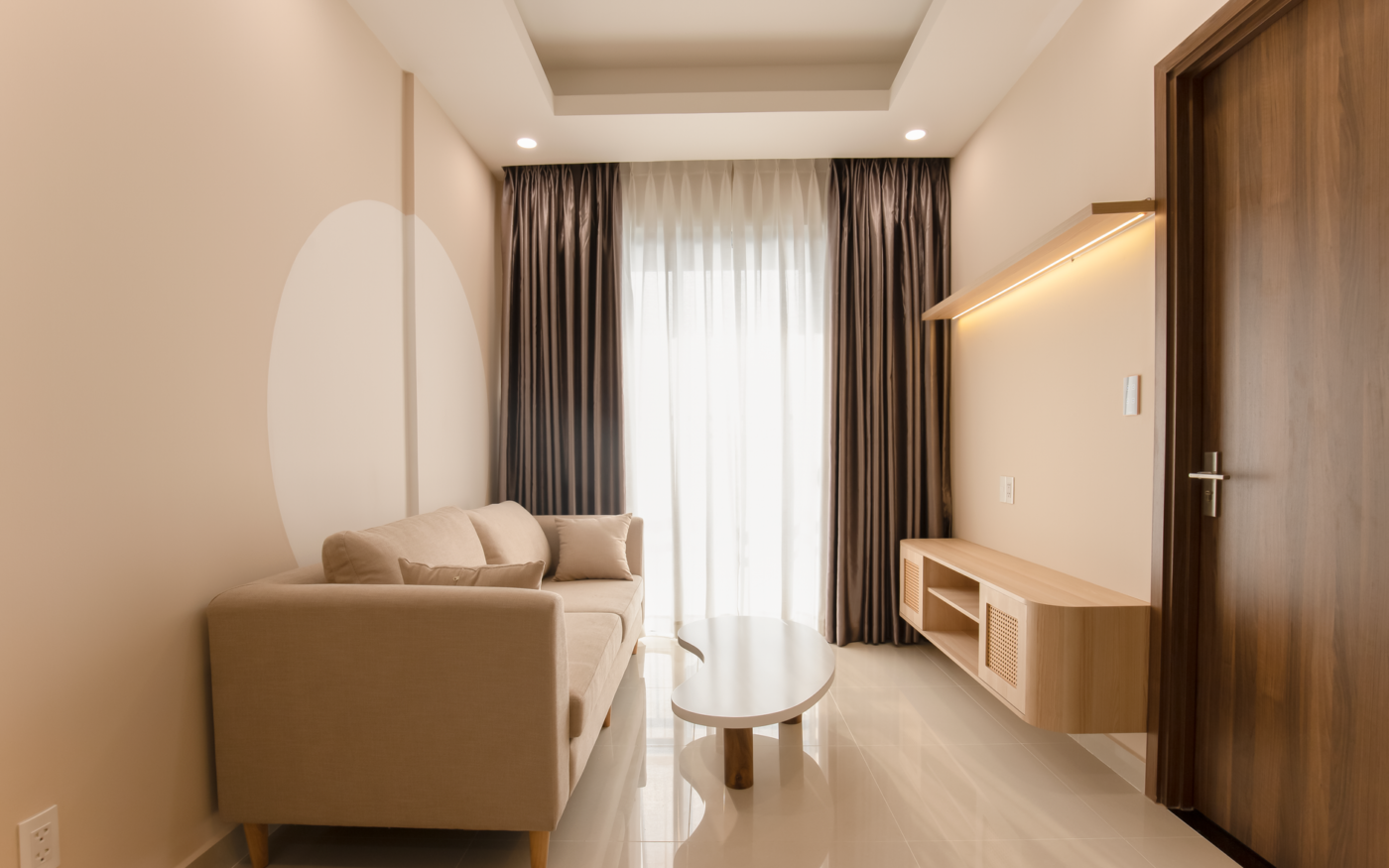
Living space — furniture that stores
A coffee table with a lift top or drawers. A storage ottoman instead of an
armchair. A sofa with a base. Shelving that goes to the ceiling rather than
stopping at chest height, with the top two shelves holding boxes rather than
objects.
 Save
SaveThe furniture rule
In a small home, every piece of furniture that does one job is costing you
storage. A coffee table that is only a table, a bed with an open frame, a bench
with nothing inside it.
Replacing furniture is expensive, so do it at the natural moment — when
something breaks or you move — rather than as a project. But apply the rule
without exception at that moment, because a single-purpose bed frame in a
one-bedroom flat costs you roughly a cubic metre of storage for the next decade.
What works
- Using the wall above door height
- Furniture that stores as well as sits
- The inside of every cupboard door
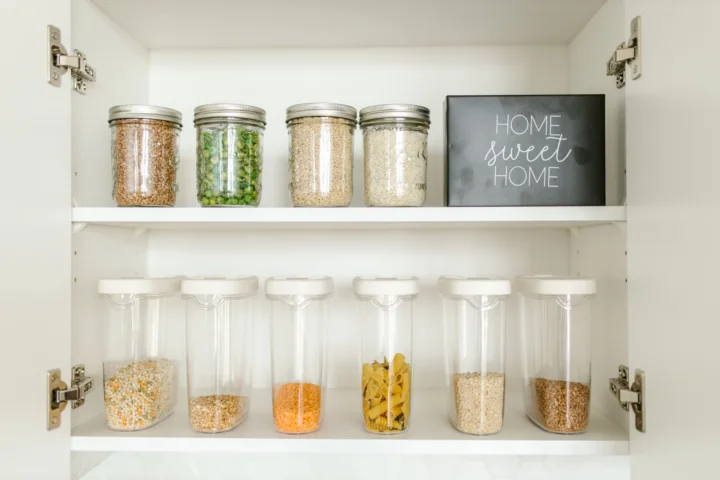
- Clear boxes so you can see the contents
- A hard one-in-one-out limit
- Seasonal items in the least reachable spot
What to watch
- Buying storage before decluttering
- Shelving that stops at chest height
- Opaque baskets hiding the excess
- Furniture chosen only on looks
- 'It'll fit somewhere'
- Keeping duplicates in a home with no slack
The limit is the actual system
A large house absorbs mistakes. A small one does not, and this is the real
difference between organizing a flat and organizing a house — not technique, but
tolerance.
One in, one out, without exceptions. Not aspirational. A new
pan means a pan leaves. This is unpleasant for about three weeks and then becomes
automatic, and it is the only thing that holds a small home over years rather
than months.
Cap the categories that expand. Books to one shelf, shoes to
one rack, mugs to what the cupboard holds. When the container is full, something
goes. Physical limits work where intentions do not.
Seasonal goes to the least reachable space. Top shelf,
under-bed, or a paid storage locker if the numbers genuinely work out — though
for most people that costs more per year than replacing the contents. Handle
clothes seasonally and the wardrobe halves.
 Save
SaveWhat to do with what leaves
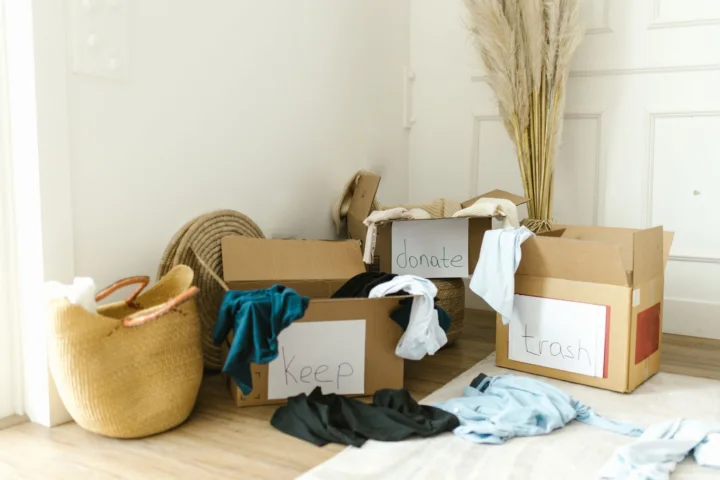
Small-space decluttering produces a lot of outgoing volume in a home with
nowhere to stage it, so decide the destination before you start and get it out
the same week.
Donated goods can be deductible if you itemise, and the IRS sets out the
rules and record-keeping in its
charitable
contribution guidance. Keep the receipt, note what was in the bag.
Common questions
every door in the flat. Both are free volume, both are reversible in a rental,
and together they usually absorb whatever is currently on the floor.
a small home are how you end up with three of everything — you cannot see what
you own, so you buy it again. Buy the box last, once you know what is going in
it.
the contents are worth, and things put into storage are very seldom retrieved.
It makes sense for a genuine short-term gap — a move, a renovation — and much
less sense as an ongoing arrangement.
volume is the biggest single variable in a small home, and rotating a portion
out of sight does more for the space than any shelving. Everything at adult
height stays adult.
One wall, this week
Pick the room that irritates you most and put a shelf above the door. It is
an hour, it costs very little, and it is the change people are most surprised
by — because the space was always there.
Then, if you want a full run at the place,
the 30 day declutter challenge is built to work in
short sessions, which is what a small home needs.