Most quick breakfast ideas are not quick. They are recipes with a short cook
time, which is a completely different thing from a breakfast that fits into a
morning where three people need to leave the house and one of them cannot find a
shoe.
The genuinely fast breakfast is one that already exists. Everything below is
sorted by how much morning it costs, rather than by how long it takes to
make — because those are not the same number.
 Save
SaveZero-minute breakfasts
Made ahead, taken from the fridge or freezer, eaten. No preparation on the day
at all.
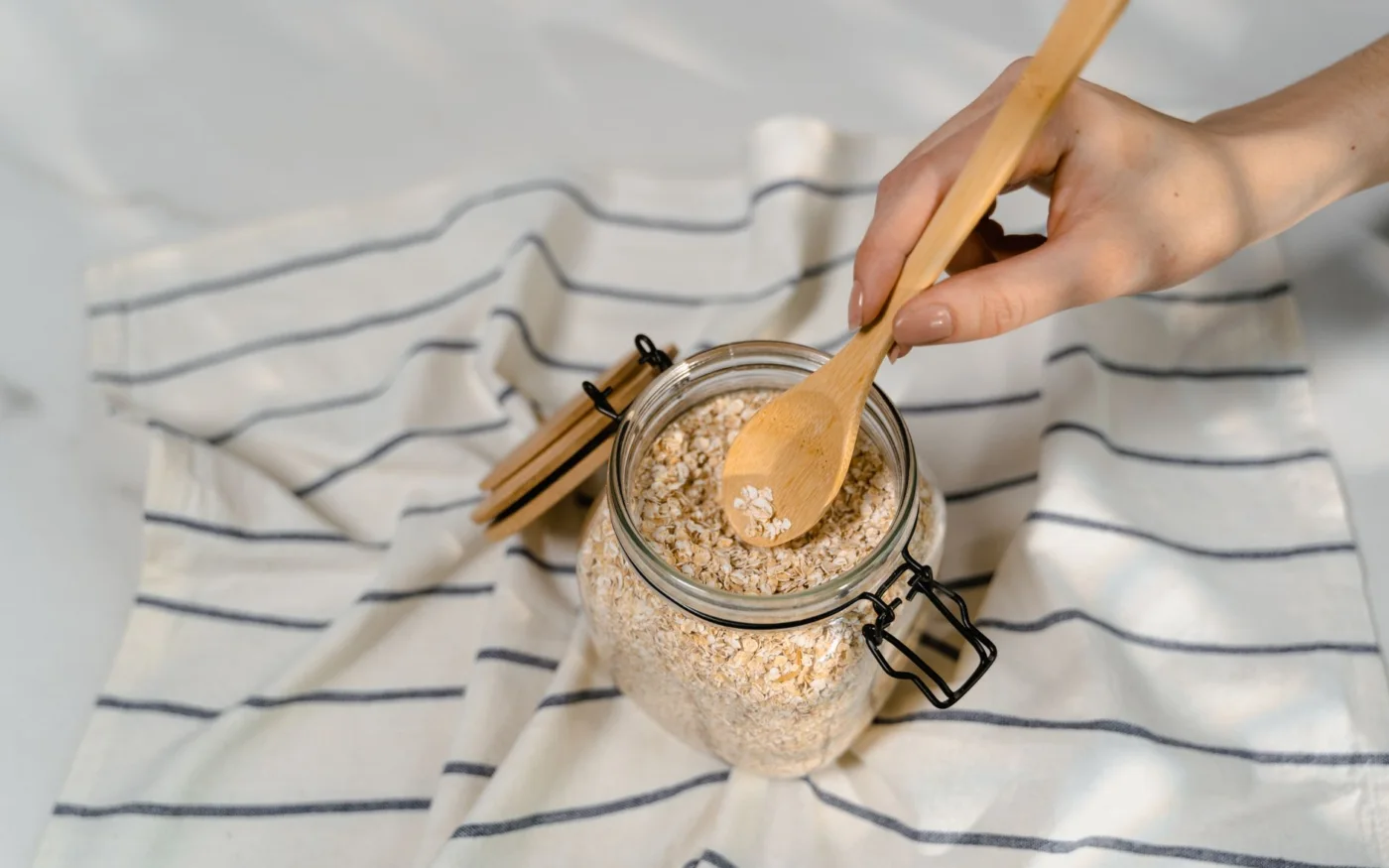
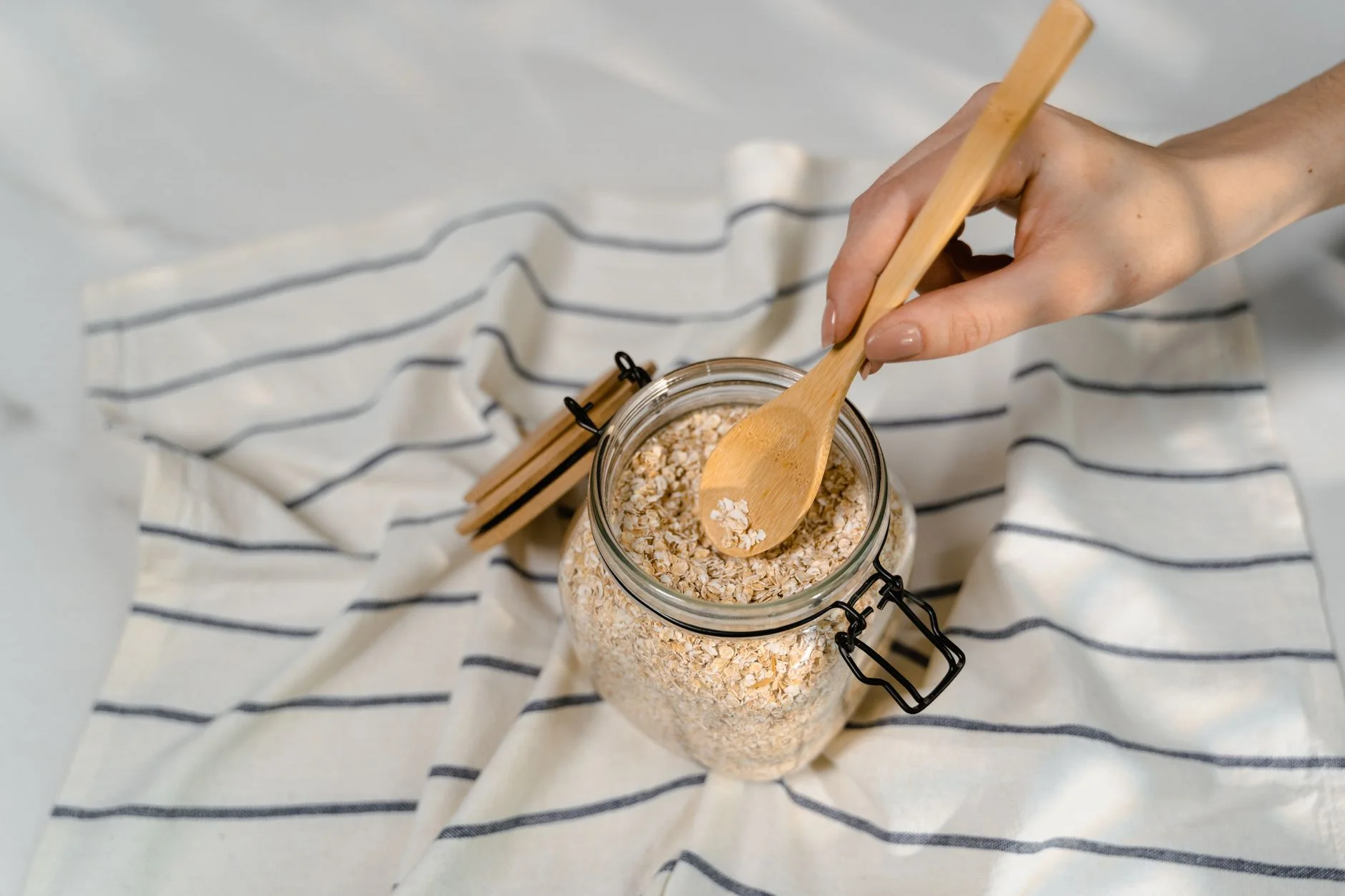
- Overnight oats. Oats, milk or yoghurt, a spoon of nut butter, fruit. Six jars on Sunday covers the week and they keep for four or five days.
- Egg muffins. Eggs, cheese and whatever vegetable needs using, baked in a muffin tin. Freeze, then thirty seconds in the microwave. The single best protein-per-minute option there is.
- Yoghurt pots. Portioned into jars with fruit and granola in a separate layer so nothing goes soft.
- Breakfast burritos. Scrambled egg, beans, cheese, wrapped in foil and frozen. Reheat and eat in the car.
- Banana or courgette bread. Sliced and frozen individually. Add yoghurt for the protein.
- Smoothie bags. Fruit, spinach and oats bagged in the freezer. Tip into a blender with milk — thirty seconds, one jug to rinse.
All six are made once and eaten five times, which is what makes them different
from a fast recipe. The same principle drives
a Sunday prep session.
Five-minute quick breakfast ideas
Cooked on the day, but genuinely inside five minutes.
- Scrambled eggs on toast. Three minutes in a pan, and still the benchmark.
- Boiled eggs. Do six on Sunday; they keep a week in the shell. Eaten cold with toast soldiers, which children accept surprisingly well.
- Porridge. Two minutes in the microwave. Add a spoon of peanut butter for protein and it holds until lunch.
- Beans on toast. Unfashionable, cheap, and a genuinely decent breakfast.
- Toast with nut butter and banana. The fastest thing with real protein in it.
- Greek yoghurt with honey and whatever fruit is in the eat-first box.
-
Pick three, not twelve
A rotation of three breakfasts that everyone accepts beats a list of twelve you
have to choose between at 7am. Decision-making is the expensive part of a school
morning, not cooking.Ask each person for their one non-negotiable and build the three around
that — it is the same approach that works for
picky eaters. -
Do forty minutes on Sunday
Six jars of overnight oats, a tray of egg muffins, six boiled eggs, and fruit
washed and cut. That is the whole week’s breakfast for a family, and it fits in
the gap while something else is in the oven. -
Set out the night before
Bowls, spoons, glasses on the table. Cereal box on the counter. Anything that
needs to come out of the freezer, moved to the fridge.Two minutes during the evening reset, and it removes
the entire first five minutes of the morning — the part where nobody can find
anything and everyone is short-tempered. -
Keep a grab-and-go shelf
One shelf in the fridge and one basket in the cupboard holding only breakfast
things that need no preparation. Children can serve themselves from it, which is
the actual goal.Stock it from the pantry staples list so it refills on
the normal shop rather than as a separate errand.
 Save
SaveWhy protein matters more than speed
A breakfast of only refined carbohydrate — toast, most cereal, a pastry — is
digested fast and produces a hungry, irritable child about two hours later, which
lands squarely in the middle of the school morning.
Adding protein changes that: eggs, yoghurt, nut butter, cheese, beans, or milk
rather than juice. It does not need to be a big breakfast. It needs one protein
element.
This is also the fix for the adult version of the same problem, which
generally presents as a second coffee at ten and something from the vending
machine at eleven. General guidance on building balanced meals is at
the Academy of
Nutrition and Dietetics.
What works
- Three breakfasts on rotation
- Made ahead on Sunday
- One protein element in every option
- Table set the night before
- A self-serve shelf children can reach
- Freezing in single portions
What to watch
- A different breakfast every day
- Deciding what to eat at 7am
- Toast or cereal alone
- Everything starting from scratch
- Adults serving every item
- One big bag of frozen everything
What about the child who won’t eat in the morning
Common, and usually not worth a fight. Two things help more than insisting.
Send it with them. A boiled egg, a yoghurt, a slice of banana
bread eaten in the car or at breakfast club. Eating at 8:20 rather than 7:40 is
fine; eating nothing until noon is not.
Move the wake-up earlier by fifteen minutes. Very few people
are hungry within ten minutes of getting out of bed. Most morning appetite
problems are actually timing problems, which is why this belongs in
the school morning routine rather than in a recipe.
A drink with protein in it — milk, or a smoothie made from a freezer bag —
also gets past a genuine lack of appetite better than a plate does.
 Save
SaveDoing breakfast and lunch together
The Sunday session that makes breakfast is also the natural moment to build
lunches, because the same ingredients are already out — eggs, fruit, yoghurt,
bread.
Boil twelve eggs rather than six. Cut fruit for both. Bake a double tray of
muffins and send half in lunchboxes. It adds roughly ten minutes and removes a
second job entirely, which is the argument for pairing it with
lunchbox prep rather than doing them on different days.
Common questions
lunch. Failing that, Greek yoghurt or toast with nut butter, both of which take
under a minute and neither of which needs cooking.
anything crunchy on the morning rather than in advance, and keep berries separate
if you object to the colour they turn everything.
irritability by mid-morning rather than as hunger. Something small with protein
in it, eaten at any point before school, does the job — it does not have to be a
sit-down meal at the table.
bags all keep a month or more. Overnight oats and cut fruit are the fridge items
that cap the cycle at about five days, so most families run a monthly freezer
batch plus a small weekly fridge batch.
Start with Sunday
Make six jars of overnight oats and boil six eggs. Twenty minutes, and it
covers most of a week of mornings without any further thought.
Add the egg muffins the following week, and set the table the night before
during your weekly reset. That is the whole system.