
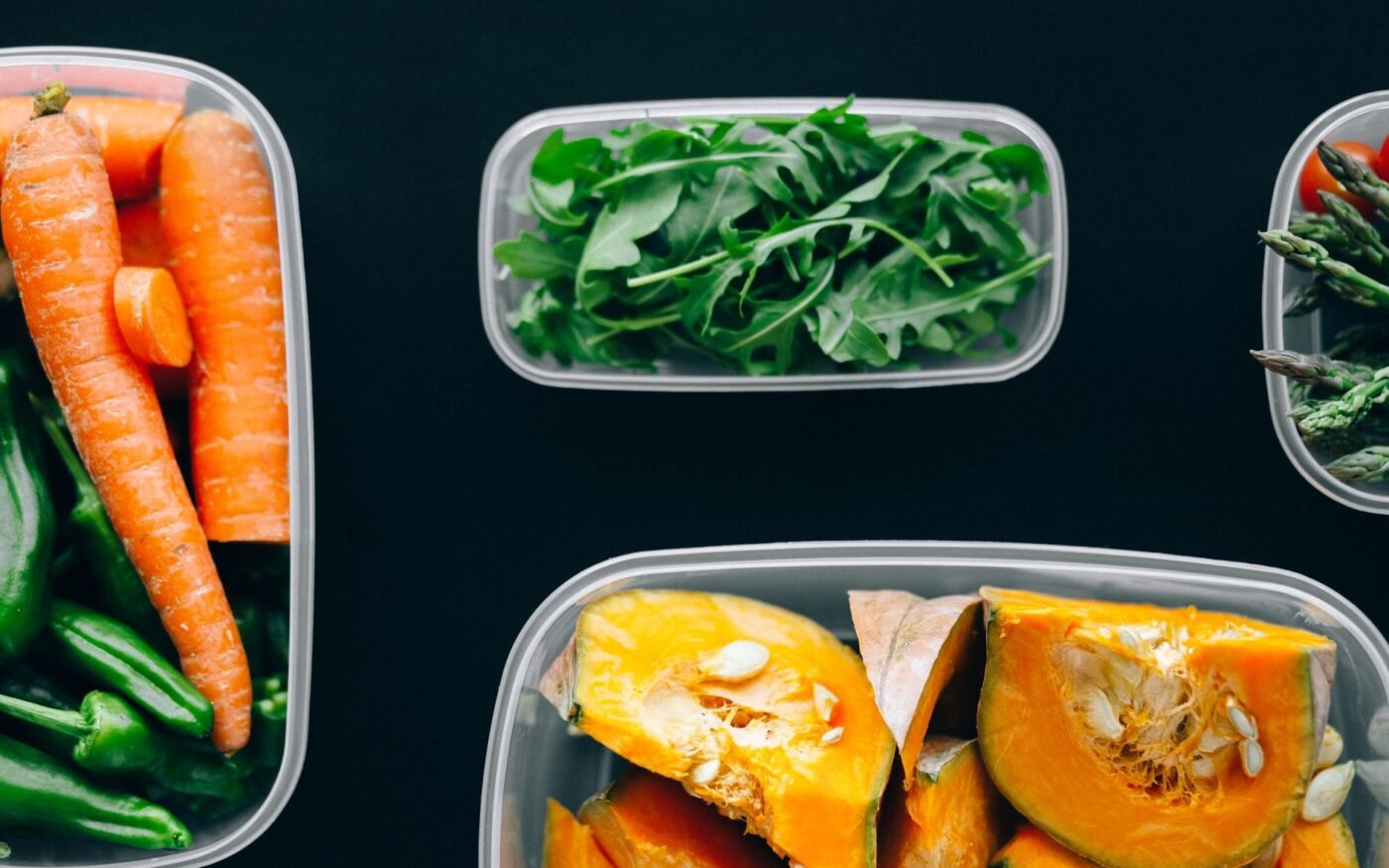
Most Sunday meal prep advice produces the same picture: five identical
containers in a row, lids on, a whole week solved. By Wednesday nobody wants to
eat it, and by Thursday two of them are in the trash.
The problem isn’t the effort. It’s prepping meals. Assembled meals
are decided on Sunday and eaten by a person on Thursday who is not in the mood
for what Sunday decided. Prepping components instead takes the same two hours and
leaves the week open.
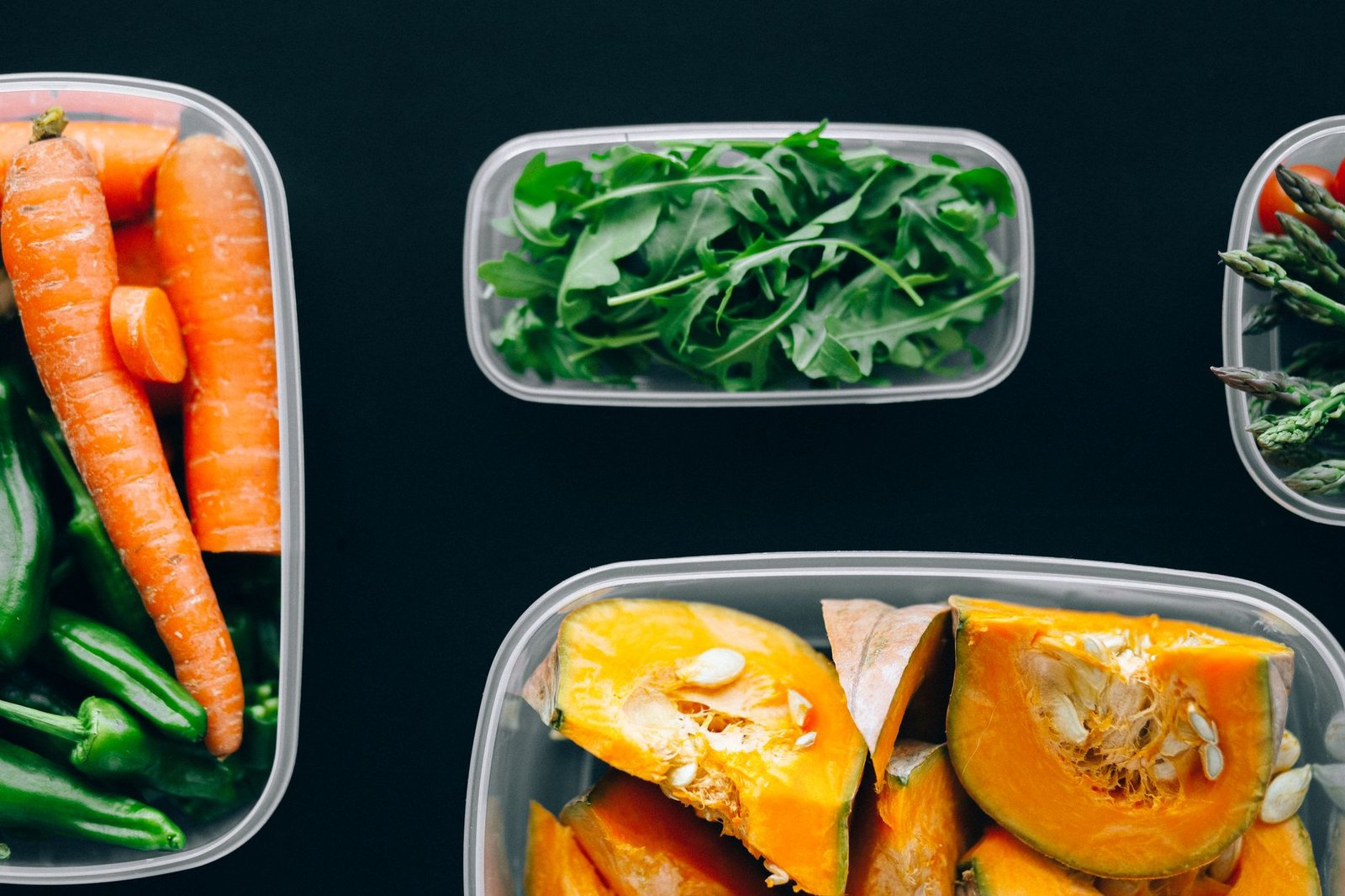 Save
SaveWhy Sunday meal prep stops working by Wednesday
Three failure modes, and they’re all avoidable.
Everything tastes the same by day three. Five portions of one
dish is fine in theory and grim in practice. Components recombine; meals don’t.
It takes the whole afternoon. A four-hour session on Sunday
gets done twice and then never again. Two hours survives.
Texture collapses. Dressed salads go limp, roasted potatoes
turn soft, anything crisp stops being crisp. This isn’t a skill problem — some
foods simply don’t hold, and the fix is to stop prepping those.
Prep these components
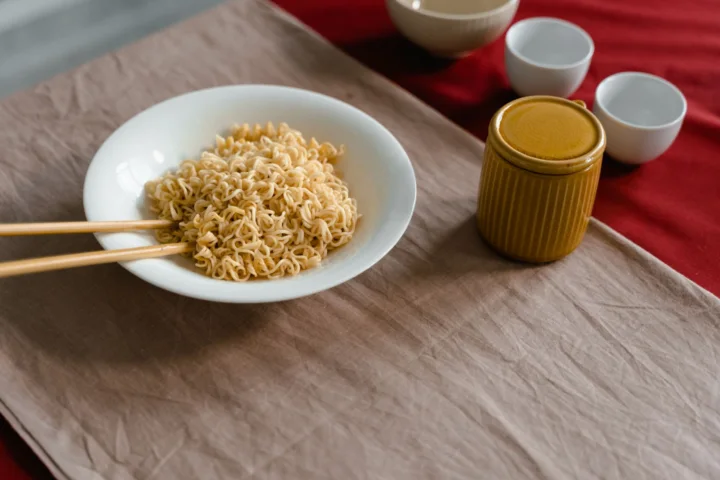
- A grain. Rice, pasta, quinoa, or couscous — a big batch, plain. It’s the base of three or four different dinners.
- A roasted vegetable tray. Whatever’s cheap. Goes into bowls, wraps, pasta, or alongside anything.
- A cooked protein. Shredded chicken, browned ground beef, or a batch of beans. Plain, unsauced.
- Chopped aromatics. Onion, garlic, carrot, celery — the ten minutes of prep that stops weeknight cooking before it starts.
- One sauce or dressing. The thing that makes the same three components taste like a different dinner twice.
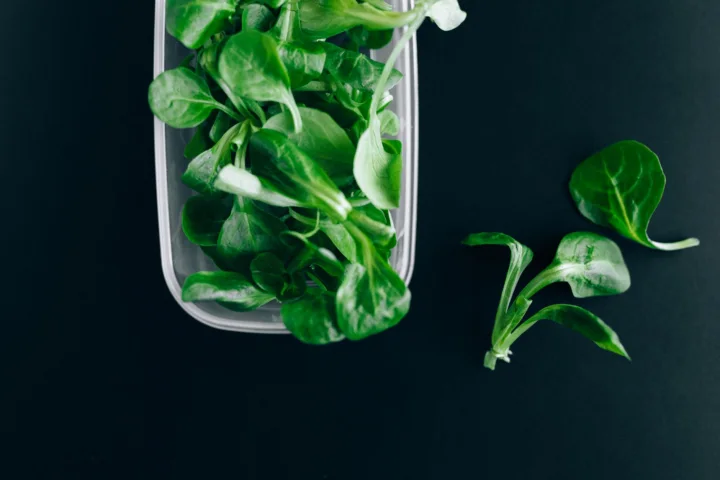
- Washed and dried greens. Dry, in a container with a paper towel. Not dressed.
- One fully cooked meal for the night you’ll have nothing left — a chili, a bake, a soup.
Seven things, and between them they cover most of a
five-dinner week without deciding in advance which night gets
which.
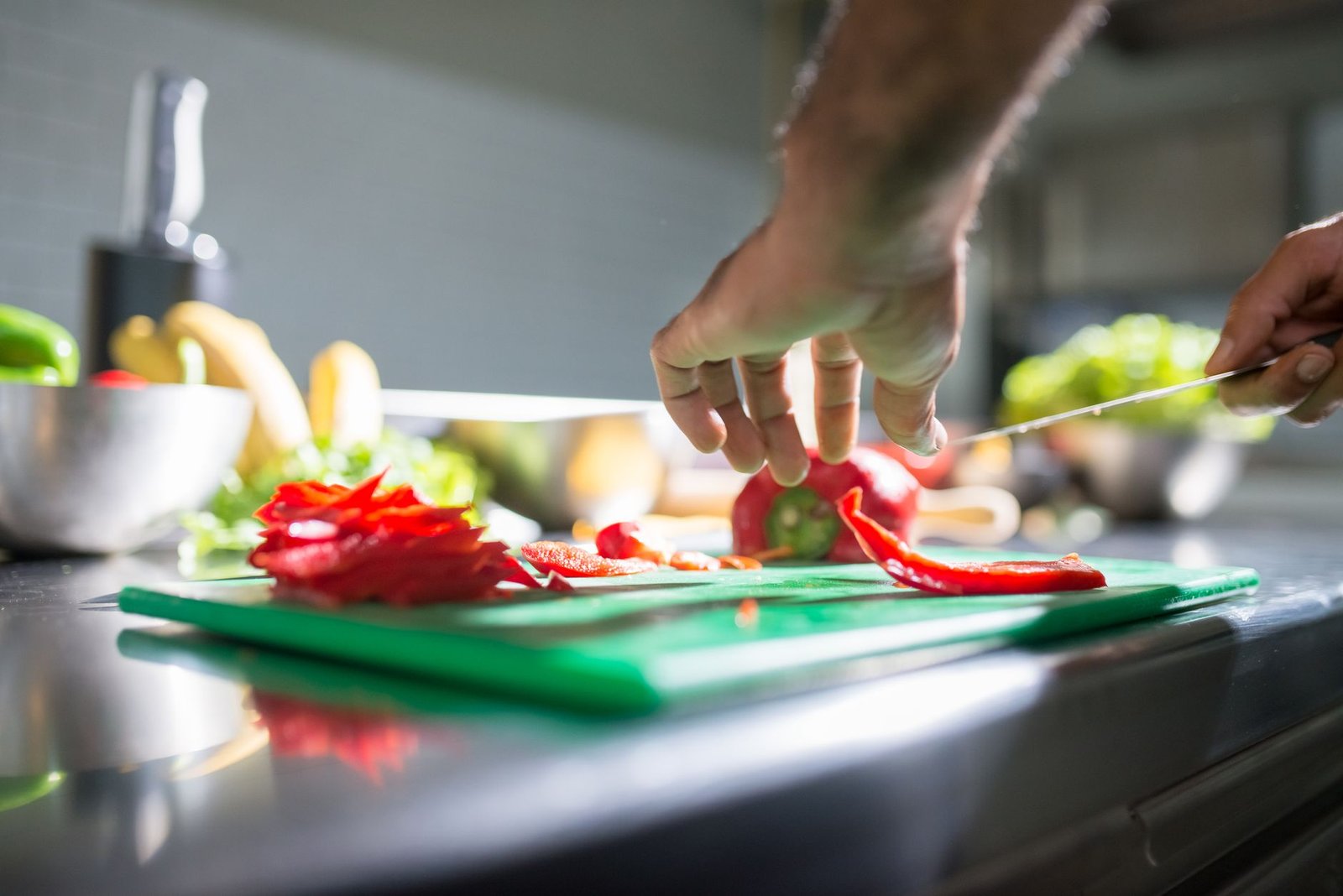 Save
SaveThe two-hour running order
-
0:00 — Oven on, roasting tray in
The oven takes the longest and needs the least attention, so it goes first
and runs unattended. Chop your vegetables, oil, season, in. Two trays if they
fit. -
0:10 — Grains and protein on the stove
Rice or pasta on, chicken poaching or beef browning in a second pan. Both are
timers rather than tasks, which frees you for the part that actually needs
hands. -
0:20 — Chop everything while the heat does the work
Aromatics, anything for the fridge, fruit for lunchboxes. This is the block
that pays off most during the week, and it happens in time you’d otherwise spend
watching a pot. -
1:00 — Make the sauce, wash the greens
Dressing in a jar, greens washed and thoroughly dried. Wet greens rot in two
days; dry ones last five. -
1:20 — Cool, container, label, date
Cool things properly before lidding — trapped steam is what turns a good
container of rice into a bad one. Then label every single item with what it is
and the date. Unlabeled containers get skipped and then discarded.
What to skip
Doing these anyway is the main reason people conclude meal prep isn’t for
them.
Dressed salads. Undressed greens last five days; dressed ones
last one. Keep the dressing separate, always.
Anything fried or meant to be crisp. It won’t be crisp on
Tuesday. Cook these fresh — they’re fast anyway.
Fish, beyond a day or two. Quality drops quickly and the
fridge smells. Fish is a cook-fresh food.
Avocado, cut apples, cut bananas. No amount of lemon juice
solves this properly.
Five identical lunches. Prep two, then repeat mid-week. The
back half of five gets thrown out often enough that you’re prepping trash.
 Save
SaveHow long things actually keep
Roughly, refrigerated: cooked grains three to four days. Cooked chicken three
to four. Ground beef three to four. Roasted vegetables four to five. Washed dry
greens about five. Most dressings a week or more.
Anything you won’t reach within that window goes to the freezer on the day you
cook it, not on the day it’s about to turn — which is where
a freezer meal plan earns its place alongside this. And
if the prep session gets skipped entirely, a
stocked pantry plus
a couple of thirty-minute dinners covers the gap without
takeout.
What works
- Prepping components
- Two hours, not four
- Running the oven and stove together
- Storing dressing separately
- Labeling and dating everything
- One fully cooked meal in reserve
What to watch
- Five identical containers
- Dressing salads in advance
- Prepping anything crisp
- Lidding food while warm
- Unlabeled containers
- Prepping a full week of lunches
Fit it to the rest of Sunday
Two hours is a lot to find in a weekend, so anchor it rather than hoping for
it. It sits naturally after the shop and before the rest of
your Sunday reset — groceries arrive, prep happens, the
kitchen gets cleaned once instead of twice.
If two hours genuinely isn’t available, do the chopping block only. Twenty
minutes of prepared aromatics and washed greens removes more weeknight friction
per minute than anything else on this page.
Common questions
shop lands near it, but Monday or Saturday works identically. Consistency is
what makes it a habit rather than a project.
eaten; opaque ones get forgotten. Glass reheats better and doesn’t stain, but
that’s a refinement rather than a requirement.
eat one week’s worth, and freeze the rest on the day you make it.
grain become a bowl, a wrap, and a side across three nights without repeating a
meal. Vary the sauce and it reads as different food.
Start with the roasting tray
If two hours is too much this week, do one tray of vegetables and one batch of
grain. Forty minutes, mostly unattended.
Those two components alone will change three dinners, which is enough to prove
the idea before committing a whole Sunday afternoon to it.
2 comments