
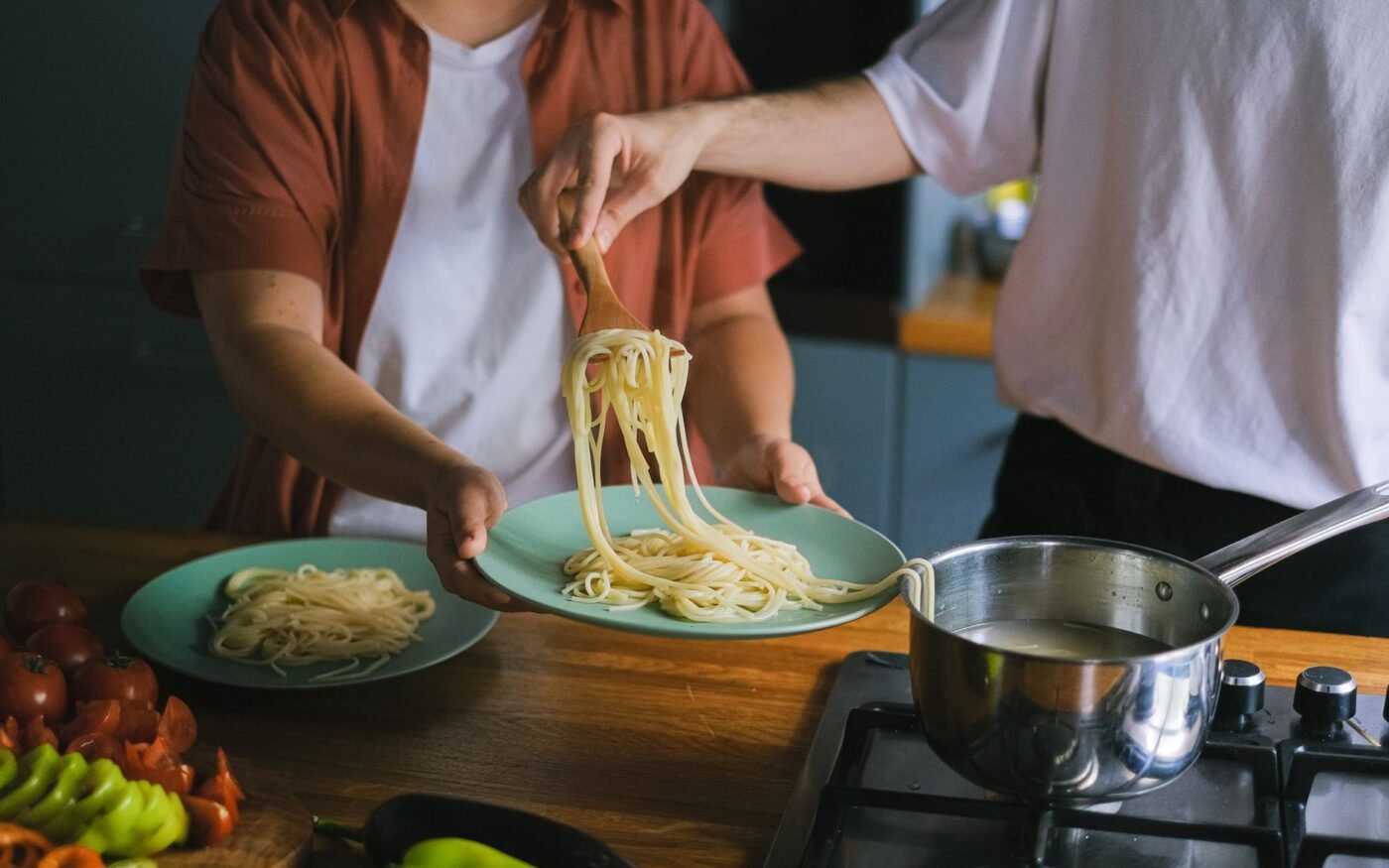

The problem with most thirty-minute recipes is that they take an hour.
Not because the cooking is slow, but because “30 minutes” measures active
cooking time in a kitchen where everything is already chopped, nobody is asking
for help with homework, and the pan you need is clean. School night dinners have
to survive conditions that recipes never account for.
 Save
SaveWhy school night dinners are a different problem
A recipe optimises for total time. A weeknight optimises for something else
entirely: how much of your attention the meal demands while other things are
also happening.
Twenty minutes of standing at the stove stirring risotto is far more expensive at
six o’clock than forty minutes of a tray in the oven, because during those forty
minutes you can do homework, unload the dishwasher, or simply sit down. That’s
why this list is grouped by attention, not by clock time.
It also assumes you’ve already decided what you’re cooking. If you’re
deciding at six, the meal takes an hour regardless of the recipe — which is the
entire argument for planning five dinners on a Sunday.
Tier one: walk away from it
Ten minutes of hands-on work, then the oven does the rest. These are the
nights when you need dinner to happen without you.
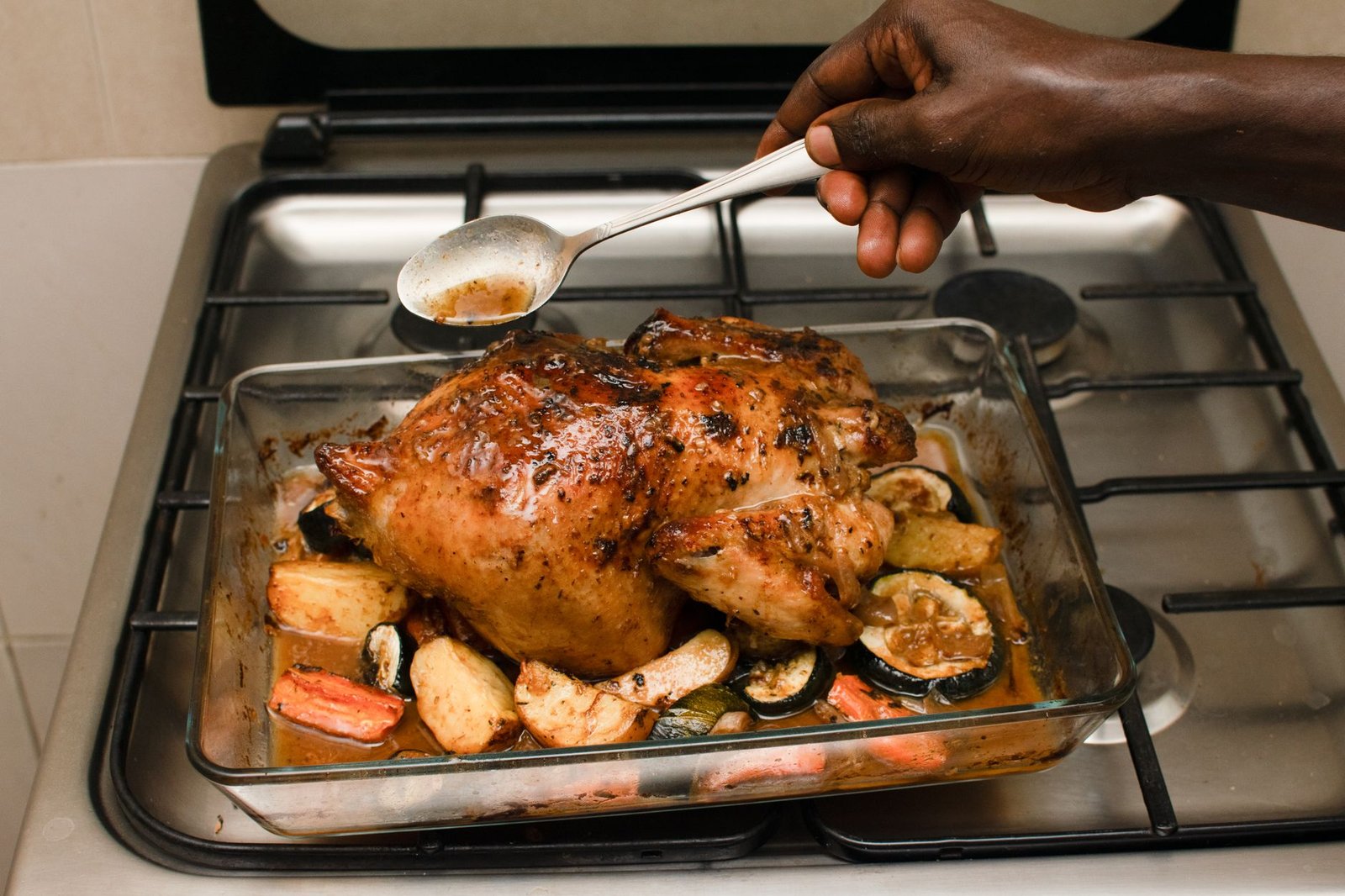
- Sheet pan sausage and vegetables. Everything on one tray, 25 minutes at 400°F. The most forgiving meal on this list.
- Baked pasta from a jar and a bag. Cooked pasta, jar of sauce, bag of cheese, 20 minutes. Nobody has ever complained.
- Traybake fish and potatoes. Par-boiled potatoes, fish on top for the last 12 minutes, lemon. Feels like more effort than it is.
- Rice cooker chicken and rice. If you have a rice cooker, chicken thighs and stock go in with the rice. Genuinely one step.
- Baked potatoes with three toppings. Long in the oven, zero attention. Start them when you get in.
- Soup from the freezer plus good bread. Not cooking. Still dinner. Stop apologising for it.
Tier two: fifteen minutes of actual attention
You need to be in the kitchen, but not glued to the pan.
- Stir-fry from a bag. Pre-cut vegetables are not cheating, they are the reason this is a fifteen-minute meal.
- Quesadillas and salad. Whatever protein is in the fridge, cheese, tortilla. Six minutes a pair.
- Pasta with whatever is in the fridge. Garlic, oil, chilli, and the vegetable that needs using. The most useful non-recipe there is.
- Egg fried rice from yesterday’s rice. Cold leftover rice is better for this than fresh, which is a rare case of leftovers being an upgrade.
- Loaded flatbreads. Flatbread, sauce, toppings, eight minutes under the broiler. Endlessly variable.
 Save
SaveTier three: worth the extra ten minutes
Closer to thirty minutes of engagement, for the nights that allow it.
- Chilli or bolognese, doubled. The doubling is the point — half tonight, half in the freezer for a tier-one night in three weeks.
- Fish cakes with peas. Uses up leftover mash. Feels like a proper dinner for very little.
- Curry from a paste. A good paste plus coconut milk plus whatever protein. Thirty minutes, and the leftovers improve overnight.
- Frittata with the drawer’s contents. The most efficient way to clear a vegetable drawer that exists.
The five that actually reheat
Most weeknight food does not survive being reheated, which matters more than
recipes admit — on plenty of nights people eat at different times.
These five are genuinely as good, or better, second time round: chilli,
bolognese, curry, soup, and baked pasta. The pattern is that all of them are
wet. Anything crisp, grilled, or fried is worse reheated, so don’t plan those
for a split-timing night.
Food safety, since it comes up: cooked leftovers keep three to four days
refrigerated according to
FoodSafety.gov, and should be reheated
thoroughly rather than just warmed.
The three shelves that make all of this faster
One setup job, done once, that removes more weeknight friction than any
individual recipe.
- The tier-one shelf. Pasta, jar sauce, canned tomatoes, stock, rice, tortillas — the ingredients for the walk-away meals, kept together.
- The freezer shelf. Only doubled meals go here, labelled with what and when. Not a graveyard for unlabelled tubs.
- The fast shelf in the fridge. Pre-cut vegetables, cheese, eggs, and whatever needs eating first, at the front at eye level.
The fridge shelf overlaps with the fridge triage in
the Sunday reset — the plate of things that need eating
first. Same idea, doing double duty.
 Save
SaveWhat this costs
Convenience ingredients — pre-cut vegetables, jar sauces, bagged cheese —
carry a real premium, and it’s fair to ask whether that undoes the work in
the grocery budget reset.
In practice it usually doesn’t, for one reason: the alternative on a bad
Tuesday isn’t cooking from scratch, it’s takeout. A bag of pre-cut stir-fry
vegetables costs a couple of dollars more than whole ones and saves a night that
would otherwise have cost $30.
Buy convenience deliberately on your two hardest nights, and buy whole
ingredients the rest of the week. Blanket rules in either direction cost money.
Common questions
resistance than introducing something new each week, and the meals here are
deliberately plain for that reason. Vary the sides rather than the main.
rather than continuous. Tier three usually is not on a weeknight — save those
for weekends and lean on the walk-away list Monday to Thursday.
Trying to make lunch interesting daily is a much larger commitment than most
people realize when they start.
job, and people who commit to both usually sustain neither. The doubling trick in
tier three gets you most of the benefit for none of the extra time.
Pick five and start Monday
Choose five from tier one and tier two, write them on a card, and stick it
inside a cupboard door. That card is now your default week.
You are not aiming for variety. You’re aiming for the number of six o’clock
decisions to drop to zero.
6 comments