
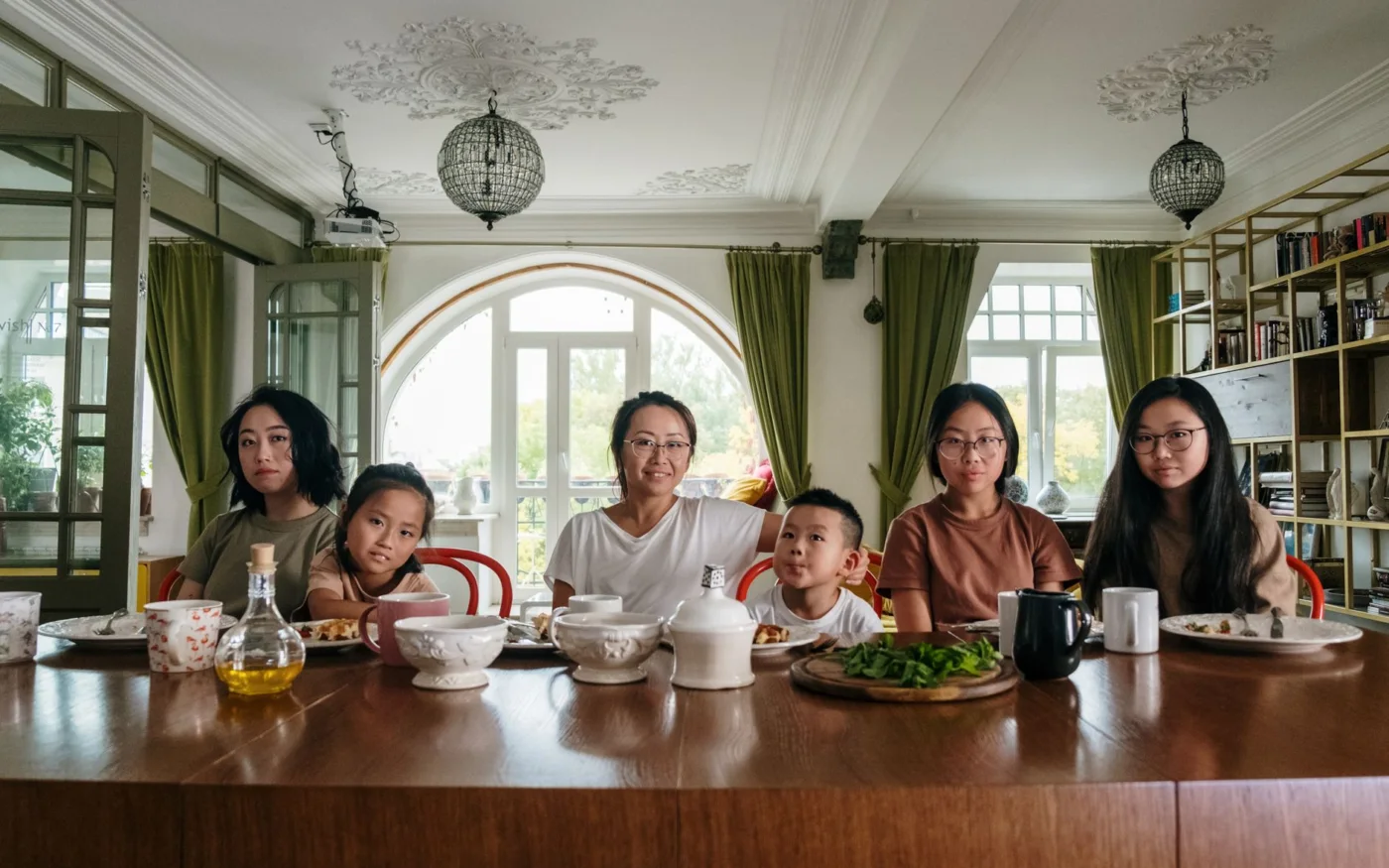

Cheap family meals fail for one reason: they feel cheap. Three nights of rice
and beans and everyone knows exactly what is happening, which is how budget weeks
end in takeout on Thursday — costing more than the week you were trying to
avoid.
The version that works does not change the menu much at all. It changes the
proportions, and it leans on six ingredients that stretch further than their
price suggests.
 Save
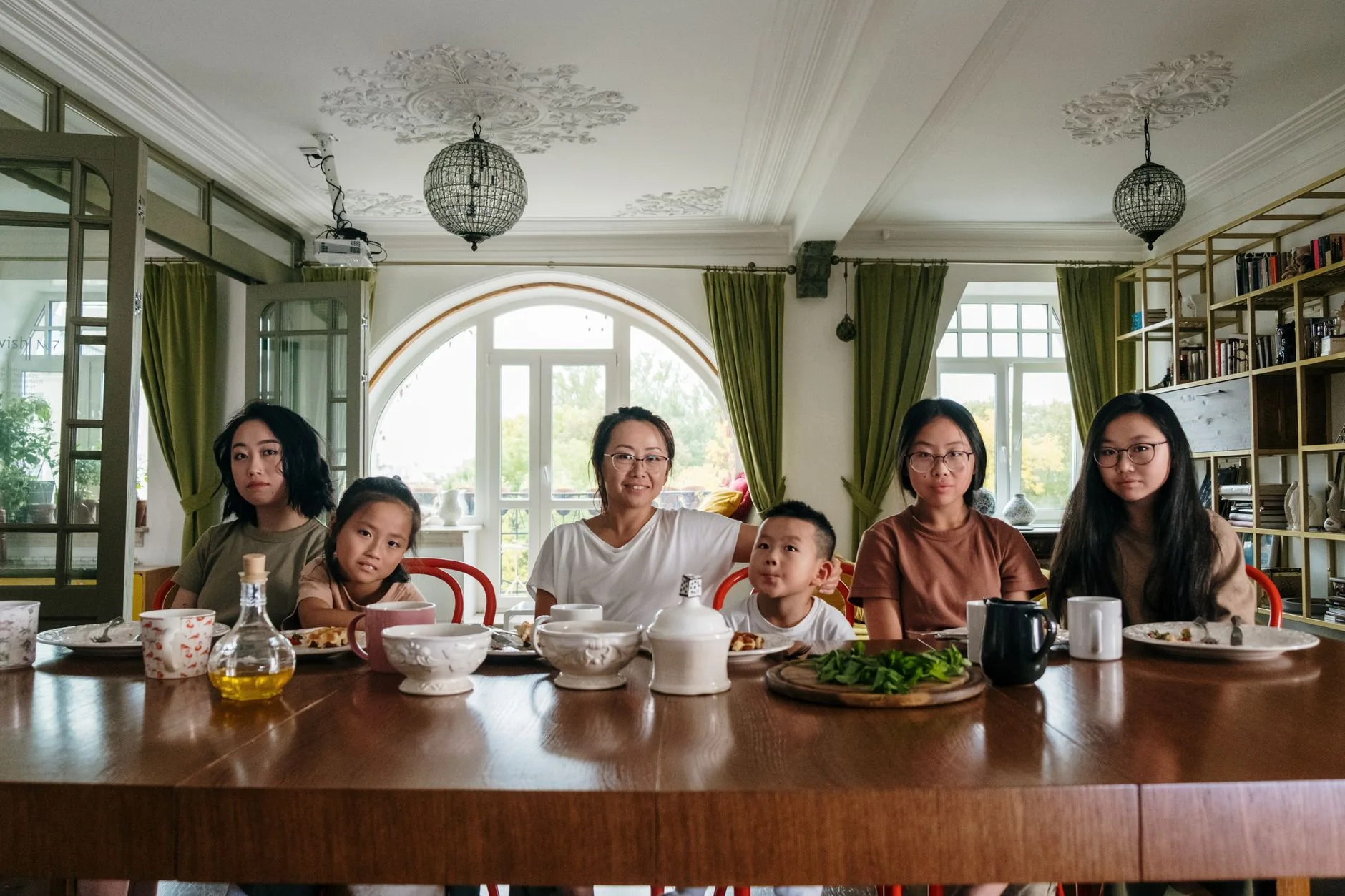
SaveCheap family meals start with six ingredients
- Dried beans and lentils. The cheapest protein there is by a wide margin. Lentils need no soaking and disappear into anything with a sauce.
- Eggs. Dinner in eight minutes, and a frittata absorbs whatever vegetables are about to turn.
- Rice, pasta, and potatoes. The base of most of the week. Bought in the larger bag, they cost very little per meal.
- Frozen vegetables. Cheaper than fresh, no waste, and picked at ripeness. This is where most households save without noticing any difference.
- Whole chicken. Roast it, use the leftovers, then make stock from the carcass. Three meals from one purchase.
- Canned tomatoes. The base of a sauce, a soup, a stew, or a curry. Almost every cheap dinner starts here.
Keep these in the house permanently and most weeks build themselves — which is
what a stocked pantry is actually for.
The proportion trick
-
Halve the meat, double the beans
A chili with half the ground beef and twice the beans tastes like chili. A
bolognese with lentils making up half the volume tastes like bolognese. Nobody
announces it and nobody notices.Meat is usually the most expensive item in any dinner, so halving it in the
four meals a week that contain it is the largest single change available. -
Make the vegetable the bulk, not the side
More onion, carrot, and celery in the base of everything. They cost very
little, they add volume, and they make a smaller amount of meat taste like more
of it. -
Let one meal become two
Roast a chicken on Sunday, and Monday is chicken and rice or a pie. The second
meal costs almost nothing because the expensive part was already bought.This is the same logic as batch cooking generally — slow
cooker dinners are cheap partly because the cheapest cuts are the ones that
suit a long cook. -
Spend the saving on flavor
Spices, garlic, soy sauce, stock, a lemon. These cost almost nothing per meal
and they are the entire difference between “budget food” and “food”.Cutting flavor to save money is the mistake that makes people abandon budget
cooking. It is the one place not to economize.
 Save
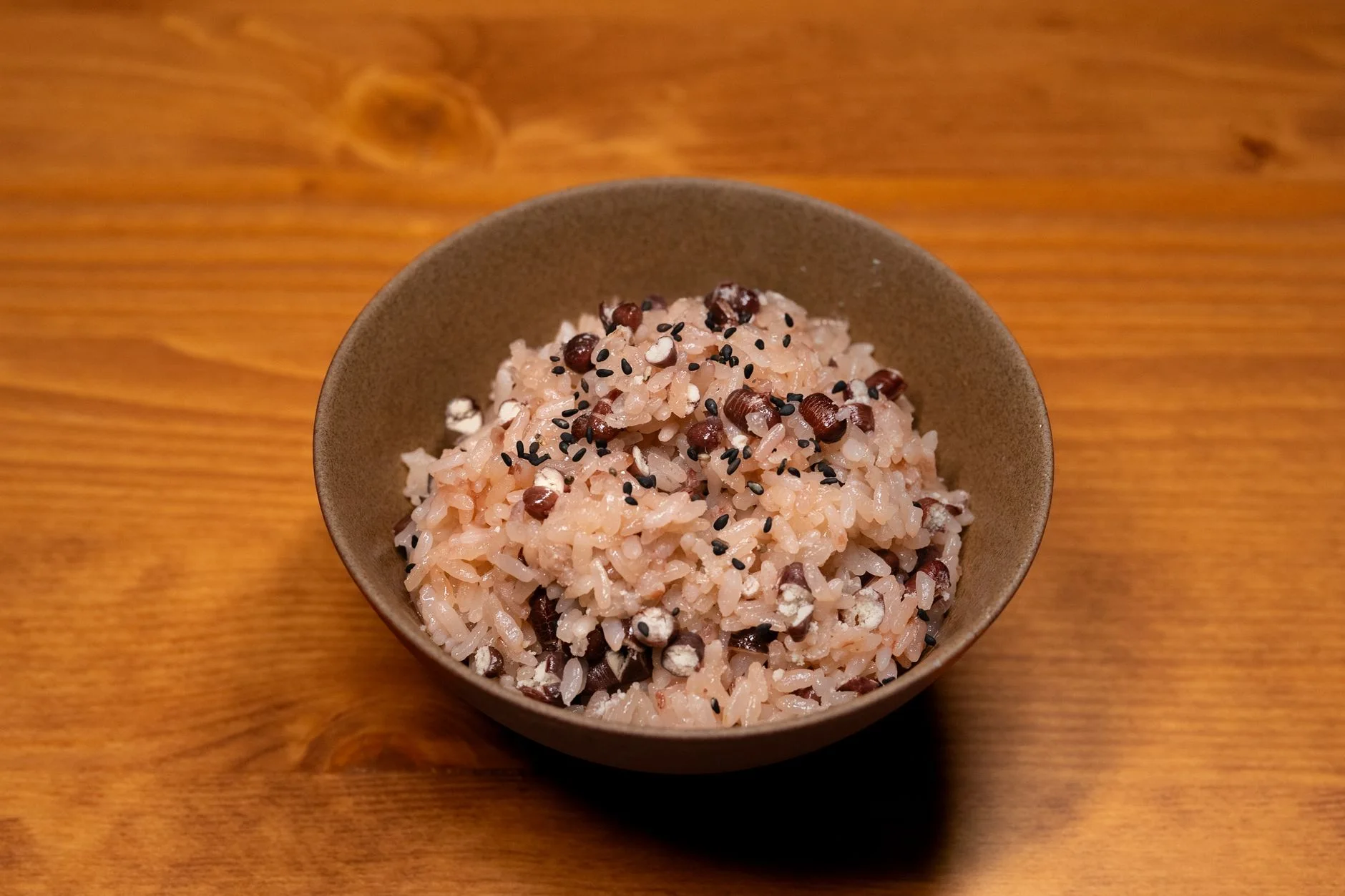
SaveA week that works
Five dinners, in line with the five-dinner rule, and
deliberately varied so no two consecutive nights feel similar.
- Roast night. A whole chicken, potatoes, whatever vegetable is cheapest.
- Leftovers night. The chicken again, in something different — fried rice, a pie, tacos.
- Meatless night. Pasta with a tomato and lentil sauce, or a frittata.
- Soup or stew. Cheapest cut, long cook, and it makes lunch the next day.
- Pantry night. Whatever the cabinet holds, with an egg on it.
The two unplanned nights absorb the week’s chaos, which is what stops the plan
collapsing and sending everyone to takeout.
What works
- Halving meat and doubling beans
- Two meatless nights
- One roast that becomes two meals
- Frozen vegetables over fresh
- Spending on spices and stock
- Buying staples in the larger size
What to watch
- Three identical cheap nights in a row
- Cutting flavor to save money
- Buying cheap meat you won't enjoy
- Bulk buying things you don't already use
- Planning all seven nights
- Shopping without a list
What is not worth buying cheap
Cheap meat you do not enjoy eating gets cooked once and avoided afterwards,
which wastes the whole purchase. The same is true of bulk buys of things your
household does not already eat — bulk only saves money on things you were going
to buy anyway.
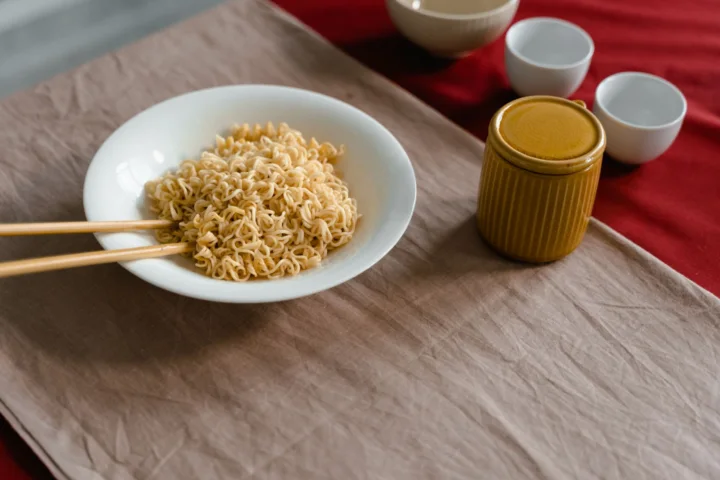
And be careful with very low-cost convenience food. It looks cheap per packet
and is often expensive per meal once you have fed four people from it.
The USDA’s
guidance
on healthy eating on a budget is a useful counterweight here — eating cheaply
and eating badly are not the same thing, and the gap between them is mostly
planning rather than money.
 Save
SaveWhere the saving actually comes from
Not from any individual recipe. It comes from the same two mechanisms every
time: less food thrown away, and fewer unplanned takeout nights.
Which means the shopping list does more work than the menu —
a list sorted by store section and followed properly saves
more than switching to a cheaper cut. And the wider system behind it is
the grocery budget reset, of which this is the cooking
half.
Plan it during the Sunday reset, alongside the shop. Half
an hour, once a week.
Common questions
Rather than chasing a per-meal number from the internet, track your own for two
weeks — you will find the saving is concentrated in a few specific meals, and
those are the ones worth repeating.
also cost less and produce no waste, which for most households is the larger
practical saving. Texture differs for a few things, so fresh still wins for
salads.
refried beans in a wrap. Replacing a quarter of the meat rather than half is a
reasonable first step, and most people genuinely do not notice at that level.
buying something new is a bet, and bulk buying perishables usually turns into
waste. Rice, beans, and pasta are the safe cases.
Start with one swap
This week, halve the meat in whatever you were already going to cook and make
up the volume with beans or lentils.
One meal, one change. If nobody comments, you have found the single easiest
saving available and you can apply it to three more nights.

1 comment