

Garage organization goes wrong in a predictable way. The garage becomes the
place things go when there is no decision available — a broken chair, four tins
of paint, the pushchair nobody has admitted the children have outgrown. None of
it was ever deliberately stored. It was deferred, and the floor absorbed it.
So the fix is not more shelving. It is getting everything off the floor and
accepting that a large share of what is in there is not being stored at all.
 Save
SaveWhy the floor fills first
A garage has enormous wall area and almost nobody uses it. A standard single
garage has roughly forty square metres of usable wall and ceiling and about
fifteen of floor — and the floor is where everything ends up, because putting
something down requires no equipment and hanging it requires a decision, a
bracket and a drill.
Every hour spent putting up shelving and hooks buys back floor space that no
amount of tidying will recover. That is the whole strategy.
The five garage organization zones
-
Car — the space you are actually reclaiming
Mark it out with tape on the floor before you start, including the doors
open. This is the constraint everything else works around, and it stops the
comfortable drift where storage expands into the bay by a foot each year. -
Tools and DIY — one wall, vertical
Pegboard or a French cleat rail above a bench. Hand tools hung and visible,
power tools in their cases on a shelf below, fixings in labelled jars or a
drawer unit. If you can see it, you stop buying a second one.Keep this near the door you enter by, because it is the zone used most often
and in the shortest bursts. -
Garden and outdoor — nearest the up-and-over door
Long-handled tools on a rake rail, hose on a reel, mower and wheelbarrow
against the wall rather than in the middle. Bags of compost and grit on a pallet
or a low shelf, never directly on concrete — they wick moisture and split.Grit and salt belong here and are worth having before you need them, which
also sits on the winterizing list. -
Seasonal — high shelves or the ceiling
Christmas decorations, camping gear, suitcases, the paddling pool. Used once
or twice a year, so it goes in the least accessible space you have: overhead
racks or the top run of shelving.Clear, lidded, stackable boxes with the label on the short end that faces
out. Cardboard fails in a garage — damp, mice, and it collapses when stacked.
Seasonal clothing is the exception and should
not live out here at all. -
Sports and bikes — hung, always
Bikes on wall hooks or a ceiling hoist. Balls in a bin or a net bag. Helmets
and pads on a hook by the door so they are grabbed on the way out rather than
excavated.Children’s outdoor equipment moves fastest of anything in the house — a
version of toy rotation applies, in that half of it can go
the moment nobody has asked for it in a season.
 Save
SaveWhat should never be stored in a garage
Garages swing between freezing and very warm, they are damp, and they are the
easiest part of the house for pests to enter. Several things people routinely
keep out there simply do not survive it.
- Paint. Freezing separates it permanently. It also belongs on the hazardous waste list rather than in a bin — the EPA’s household hazardous waste guidance covers disposal properly.
- Paper, photographs and documents. Damp destroys them and mice nest in them.
- Food, including a spare fridge or freezer in summer. Most freezers are not rated for high ambient temperatures and will run badly or fail.
- Bedding, fabric, soft toys and clothing. Mice want exactly this, and mildew gets what the mice do not.
- Propane cylinders. Outside, in a ventilated store, never in an attached garage.
- Electronics and anything with a battery. Cold kills batteries and condensation kills boards.
What works
- Tape out the car bay before you start
- Walls and ceiling before shelving units
- Clear lidded boxes, labelled on the end
- One section at a time
- A skip or tip run booked in advance
- Grit and salt in before winter
What to watch
- Emptying the whole garage onto the drive
- Buying storage before decluttering
- Cardboard boxes on a concrete floor
- Paint and paper stored out here
- 'I'll sort that pile later'
- Storage creeping into the car bay
The weekend that works
Do not empty the garage. Every guide says to and it is why people give up at
2pm with the driveway full and rain starting.
Work in thirds. Clear one wall, fit the storage for that wall, fill it, then
move on. At any moment only a third of the contents is displaced, and if you run
out of time the garage is still usable.
Book the disposal first. A skip, a tip slot, or a collection
booked for Sunday afternoon. The single most common failure is a pile of
genuinely finished items that sits by the door for four months and slowly gets
absorbed back in — the same pattern that defeats
entryway systems.
Sort into four, not three. Keep, go, belongs-in-the-house,
and needs-a-decision-from-someone-else. That last pile is what stalls garages:
the exercise bike, the inherited furniture, the ex-partner’s boxes. Put a date
on it and a name, and deal with it separately.
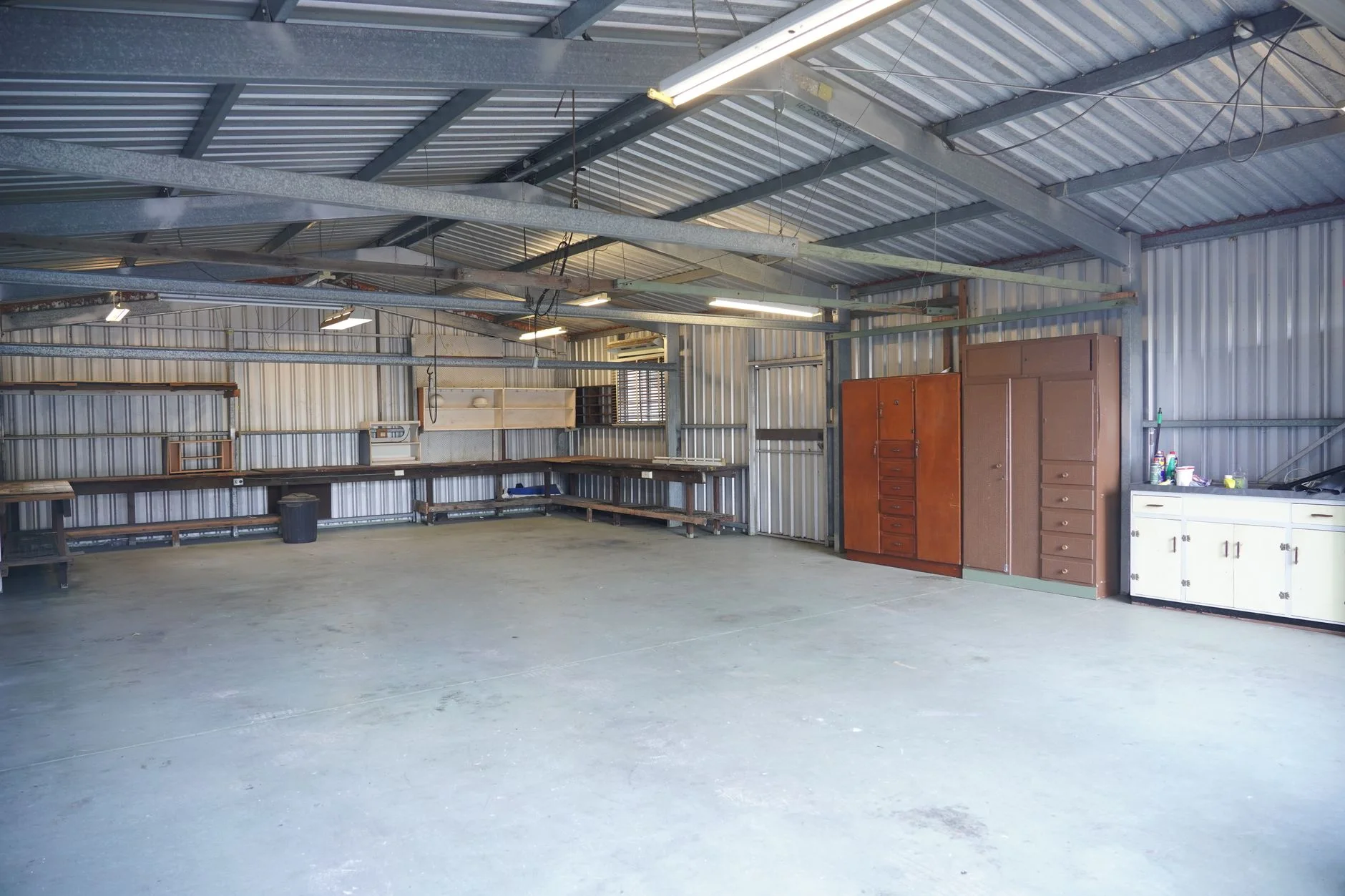 Save
SaveKeeping it clear
A garage refills faster than any other space because it has no natural
limit — nobody sees it, and there is always another square foot of floor. Two
things stop it.
The tape stays down. Anything inside the car bay lines gets
dealt with that week. It is a visible boundary, which is why it works better
than a rule.
One trip a season. Four times a year, a car boot of things
that have finished — to the tip, the charity shop, or the recycling centre. It
takes an hour and it is what prevents the next full weekend. Fold it into the
seasonal jobs you are already doing.
Common questions
shelving or a pegboard, fill it from the nearest floor pile, and stop. One
cleared section gives you working room for the next, which is the thing a full
garage lacks.
frame — tools, bikes, ladders, hoses. Shelving for boxes and bottles. Overhead
racks for seasonal items. The rule is that nothing rests on the floor except the
car and the mower.
to nest in — all in sealed hard containers or not in the garage at all. Then
seal the gaps: under the up-and-over door, around pipe entries, and any airbrick
without a mesh.
that deliberately rather than by accumulation — a garage that is honestly a
storage room with good shelving works fine; one that is half storage and half
frustrated parking works for nothing.
Start with the tape
Before anything else, mark the car bay on the floor and clear only what is
inside those lines. Twenty minutes, and it makes the size of the real job
visible.
Then take one wall this weekend. If you want a structure for the rest of the
house, the 30 day declutter challenge puts the garage
where it belongs — last, after the practice.